
Last updated: April 22, 2026
KLIA baggage chaos leaves passengers stranded — probe launched after system failure
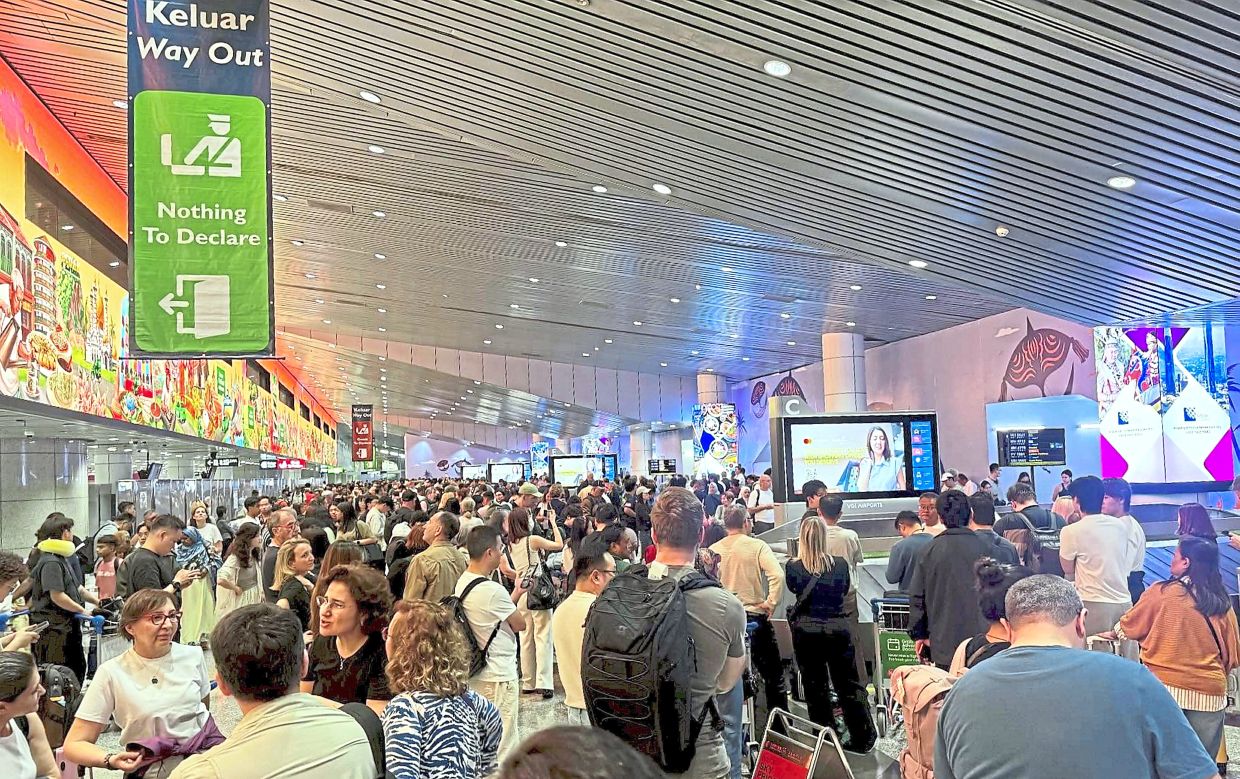
Four hours. That’s how long some travellers reportedly waited just to collect their luggage at one of Southeast Asia’s busiest airports. The delays didn’t just frustrate passengers — they exposed cracks in a system millions rely on daily. What unfolded wasn’t a one-off glitch, but a moment that’s now raising bigger questions about how modern airports handle pressure.
And if you’ve ever stood by a silent baggage carousel, watching it spin empty, you know the feeling. Multiply that by thousands — and you start to see the scale.
The Bottom Line
- Passengers experienced delays of up to four hours retrieving baggage.
- The disruption was linked to a system failure — not a power outage.
- Authorities have launched a probe into operational failures.
- Airport operator is boosting manpower and improving procedures.
- Weekly reports will now be submitted following government review.
Breaking It Down
It started with what seemed like a routine technical issue. But within hours, baggage handling at Kuala Lumpur International Airport (KLIA) slowed to a crawl. Flights landed. Passengers disembarked. And then… nothing. Bags simply didn’t arrive.
Reports suggest the system failure disrupted sorting operations — the behind-the-scenes process that routes luggage from aircraft to carousel. Crucially, officials confirmed it wasn’t caused by a power outage, pointing instead to internal system faults. That distinction matters: it shifts the focus from external infrastructure to operational resilience.

As queues built up, frustration spilled over. Travellers reported waiting hours with little communication — a familiar pain point in global travel disruptions. Meanwhile, authorities stepped in quickly. A government-ordered probe was launched, with officials openly stating that operational standards had “clearly failed.”
In response, airport management began deploying additional staff and introducing immediate corrective measures. There’s also talk of tightening standard operating procedures — essentially the rulebook that dictates how staff respond when systems break down.
Why This Matters
Here’s the thing. Airports today are complex ecosystems — part logistics hub, part tech network. When one system fails, it rarely stays contained. Baggage delays ripple outward: missed connections, frustrated passengers, reputational damage.
For Canadian travellers, this story hits closer than it seems. Many international routes connect through major hubs like KLIA. A breakdown in one region can disrupt itineraries thousands of kilometres away. It’s a reminder that air travel is only as strong as its weakest link.

There’s also a bigger industry angle. Over the past decade, airports worldwide have leaned heavily on automation to handle growing passenger volumes. But when automation fails without backup systems or rapid response protocols, the fallout can be massive. When the system stalls, everything else follows.
What Comes Next
Authorities are now pushing for accountability. Weekly performance reports will be required, and manpower is being increased immediately to prevent repeat incidents. The ongoing probe is expected to identify whether the issue was technical, human error, or a mix of both.
For travellers, the takeaway is simple: expect tighter procedures — and hopefully smoother journeys. But as investigations unfold, airlines and airports alike will be watching closely.
FAQ
What caused the baggage delays at the airport?
The delays were caused by a system failure in baggage handling, not a power outage.
How long were passengers waiting?
Some travellers reported waiting up to four hours to receive their luggage.
Is this issue affecting other airports?
The incident was localized, but it highlights risks that exist across global airport systems.
What actions are being taken now?
Authorities have launched a probe, increased staffing, and are reviewing operational procedures.
Should travellers be concerned about future delays?
While improvements are being implemented, travellers should always allow buffer time during major trips.