
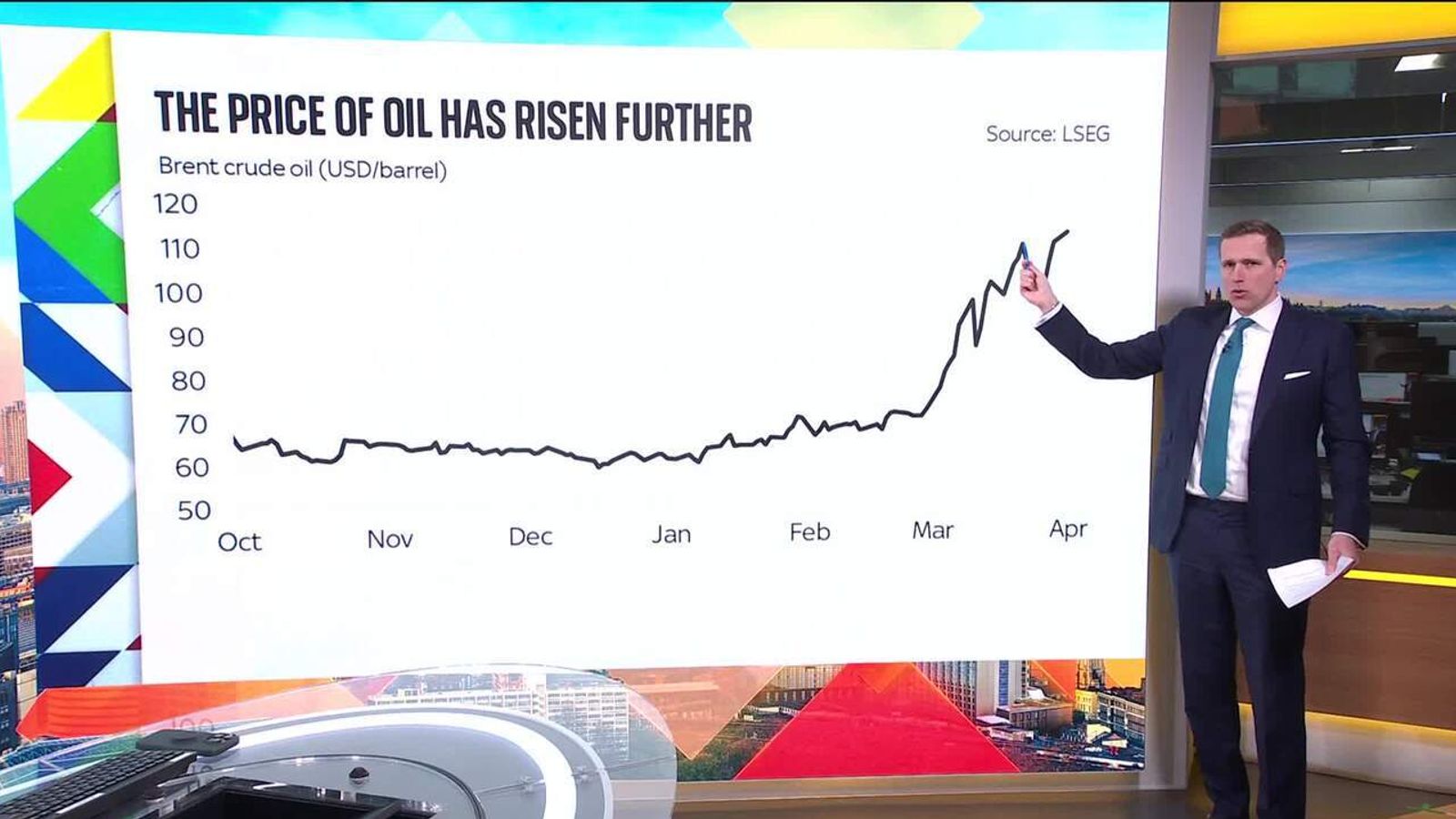
Oil prices have rocketed past psychological barriers this morning, as the conflict in Iran enters its fifth gruelling week, sending tremors through global equity markets. Investors are bracing for impact as Brent crude heads for a record monthly surge, fueled by escalating tensions in the Middle East and provocative rhetoric from Washington. The writing is on the wall for energy prices, and the knock-on effect for British households is becoming impossible to ignore.

What We Know So Far
The energy market is currently caught in a perfect storm. Brent crude, the international benchmark, has climbed steadily as the war involving Iran shows no signs of abating. The situation was further inflamed by recent comments from the US, with Donald Trump suggesting a desire to 'take the oil', a stance that has added a layer of geopolitical volatility to an already fragile situation.
Asian shares have felt the brunt of this uncertainty, sliding significantly as traders pivot away from riskier assets. This isn't just about regional instability; it's a global supply chain nightmare. Yemen's Houthi rebels have launched a second attack on Israel, according to reports, heightening fears of a wider regional conflagration that could choke off vital shipping lanes.
Market analysts are particularly concerned about the conflicting claims regarding US-Iran talks. While some sources suggest a diplomatic back-channel remains open, the price action suggests the 'smart money' is betting on continued disruption. This disconnect has kept oil prices firmly above the $100 mark per barrel, a level that historically signals pain for the manufacturing and transport sectors.
Reactions & Responses
The international community is watching with bated breath as the G7 and business leaders scramble to discuss emergency measures. In the UK, the focus has shifted sharply to how the Treasury might mitigate these soaring costs. What's interesting is the silence from some diplomatic quarters, which often precedes a major policy shift.
The market is reacting to the stark reality that energy security is now the primary driver of global inflation.
On the Ground
For those of us in the UK, this isn't just a series of numbers on a trading screen. Rising crude prices almost inevitably lead to higher costs at the pumps and increased heating bills. We've seen similar patterns during previous Middle Eastern crises, where a 10% rise in oil can lead to a noticeable dip in consumer spending power within weeks. Keeping one's head above water is becoming a daily struggle for many small business owners who rely on logistics.
Coming Up
The coming days are critical. Markets will be looking for confirmation of any progress in diplomatic talks, or conversely, signs of further military escalation. Key dates to watch include the upcoming G7 emergency summit and the release of new manufacturing data, which will likely reflect the first wave of increased energy costs.
At a Glance
- Brent Crude is on track for a record-breaking monthly price surge.
- The Iran conflict has entered its fifth week with no sign of a ceasefire.
- Stock markets in Asia and Europe have seen significant sell-offs.
- Provocative rhetoric from US political figures has heightened market anxiety.
- Houthi attacks on Israel have raised fears of a broader regional war.
FAQ
Why is the price of oil rising so quickly?
The primary driver is the ongoing war in Iran and the threat of regional escalation, which creates fears of a significant supply shortage.
How will this affect petrol prices in the UK?
Historically, sustained oil prices above $100 per barrel lead to increased costs for wholesalers, which are then passed on to consumers at the forecourt.
What is the G7 doing about the crisis?
G7 leaders and business heads are currently meeting to discuss emergency measures and potential interventions to stabilise energy markets.