Following more than three years of steady monetary policy, the Bank of England has raised interest rates from 3.75% to 4%, responding directly to persistent cost pressures and global supply disruptions.

The Latest Economic Data
The rate-setting committee backed the increase unanimously, with eight out of nine policymakers voting in favour of a 0.25 percentage-point rise, while one member advocated for a move to 4.25%. Official figures show the base rate moving from 3.75% to 4% as consumer price inflation remains a central concern. The Bank anticipates inflation will peak at 4.9% next year before gradually easing, though adverse scenarios model a surge up to 6.2% if geopolitical conditions deteriorate further.
What Is Driving the Change
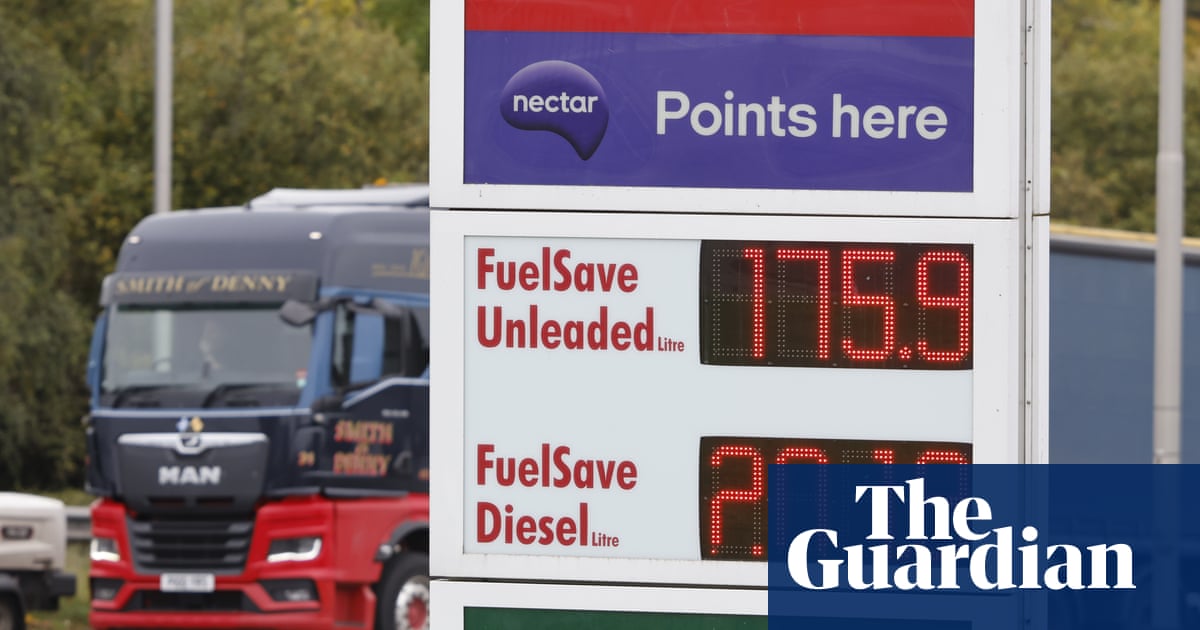
International conflicts remain a primary catalyst behind the inflationary pressures affecting the UK economy. Ongoing disruptions linked to the war in Iran have restricted travel through vital transport lanes such as the Strait of Hormuz, driving up global fuel prices and maritime insurance costs. BoE governor Andrew Bailey noted that wholesale brent crude oil and UK natural gas prices have fallen around 15% since the start of the week, trading at $95 and 218p per firm respectively, offering some relief. However, policymakers warn that a significant amount of inflationary pressure remains embedded in the pipeline.
Why It Matters
Higher borrowing costs immediately impact mortgage holders, businesses, and everyday spenders across the country. Approximately 500,000 homeowners on tracker mortgages will see monthly repayments increase by about £31, while another 500,000 on standard variable rates await lender decisions. Conversely, savers stand to benefit from higher returns on cash savings accounts and fixed-term products. Meanwhile, businesses operating in retail and hospitality continue to experience a challenging demand environment with limited capacity to absorb additional overheads or pass rising costs on to consumers.
What It Could Mean for Policy
Central bank officials stress that the hike should not be interpreted as the beginning of an aggressive, prolonged tightening cycle. Instead, committee members view the adjustment as a risk-management measure. Future decisions remain strictly conditional on incoming data, particularly regarding energy prices, wage settlements, and the duration of Middle East conflicts. Chancellor John Healey recently introduced fiscal support measures in the recent Budget, allocating £100 energy payments for twenty million households and freezing fuel duty to help soften the blow for families.
What to Watch Next
Observers will monitor upcoming inflation releases, labour market stability reports, and energy price cap adjustments ahead of the winter season. Financial markets are pricing in the possibility of an additional rate adjustment early next year if geopolitical pressures persist. Households coming off fixed-rate mortgage deals throughout 2027 should review their financial options well in advance as borrowing conditions evolve.
Frequently Asked Questions
Why did the Bank of England raise interest rates to 4%?
The central bank increased rates to curb rising inflation driven primarily by global fuel price spikes and energy supply chain disruptions linked to the conflict in Iran.
How does the rate hike affect mortgage holders?
Borrowers on variable-rate or tracker mortgages face immediate monthly payment increases, while those on fixed-rate deals see no change until their current agreements expire.
Are savers benefiting from the higher base rate?
Yes, higher base rates generally push banks and building societies to offer better returns on cash savings accounts and fixed-term investment products.
What is the current forecast for UK inflation?
The Bank of England expects inflation to peak at 4.9% next year before gradually declining, though adverse scenarios could push figures higher.
How will this decision impact businesses in the UK?
Companies face higher borrowing costs on variable loans, which may constrain investment and hiring plans as firms navigate a challenging demand environment.