
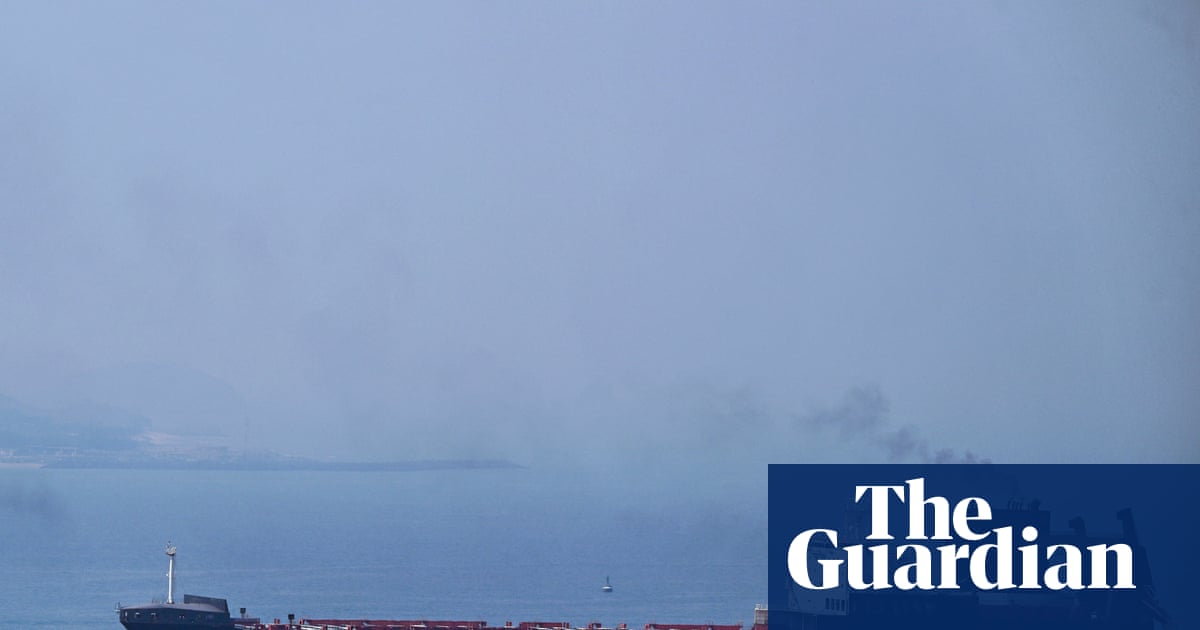
A plume of black smoke rose over the waters off the Saudi coast as a commercial tanker caught fire after being struck by a missile in the early hours of Thursday morning. The attack instantly shattered weeks of fragile market stability and sent shockwaves through global energy desks. Within hours of the strike, international oil prices shot straight past $100 a barrel, threatening a fresh wave of inflation for household budgets across the UK.
The Story at a Glance
Brent crude, the international benchmark, jumped more than 6% to hit $100.14 per barrel on Thursday morning, marking its highest level in two months. The spike follows missile and drone strikes against two Saudi-flagged tankers in the Red Sea by Yemen's Iran-backed Houthi rebels. The attacks target a critical bypass route that energy companies have been using to avoid the dangerous Strait of Hormuz, effectively threatening to choke off another major artery of the world's crude supply.
How the Story Developed
The latest escalation represents a collapse of the brief diplomatic respite seen earlier this summer. After rising above $120 a barrel in April following initial US and Israeli strikes on Iranian infrastructure, Brent crude had dropped back to around $71 earlier this month amid hopes for a cease-fire. However, those diplomatic efforts fell apart as hostilities resumed across the Gulf.
The current leg of the crisis began when Houthi militants declared a naval blockade against Saudi vessels. On Thursday, the group claimed responsibility for targeting two laden tankers, the Encelia and the Layla, approximately 70 nautical miles off the Saudi coast. According to official reports, the Encelia suffered a fire on its bow after being struck by a projectile. The incident marks the first time since the start of the conflict that ship attacks have extended well beyond the Strait of Hormuz into the Red Sea, threatening the Bab el-Mandeb Strait, a narrow waterway responsible for carrying roughly 7% of total global oil trade.
Key People and Details
The conflict has drawn direct responses from top international figures as military actions expand across several regional borders:
- Donald Trump: The US President issued a public warning on social media, threatening “major military punishment” against Iran and the Houthis if attacks on shipping continue, stating Tehran will be held accountable for its proxies.
- Marco Rubio: The US Secretary of State defended Washington's stance, describing the administration's retaliatory policy as “a head for an eye” after Iran warned of an “eye for an eye” response to any attacks on its infrastructure.
- Abbas Araghchi: Iran's top diplomat posted on social media that any aggression against Iranian infrastructure would compel a “powerful and decisive response.”
- Kaja Kallas: The European Union's foreign policy chief stated the Houthi blockade constitutes a “dangerous escalation” that directly endangers international maritime shipping.

The practical fallout on maritime logistics is immediate. The Lloyd's Market Association issued a new clause allowing insurers to void coverage for ships paying transit tolls to Iran, leaving shipping firms with almost no safe choices for navigating the region. Meanwhile, Saudi Arabia had been redirecting between 4 million and 5 million barrels of crude per day through its East-West pipeline to the Red Sea port of Yanbu to bypass Hormuz — a vital alternative that is now under direct fire.
Reaction and Response
Financial markets reacted swiftly to the renewed supply fears. Equity indices tumbled across Europe, with France's CAC 40 falling 1.7%, while major US airline stocks dropped sharply due to rising fuel expenses. American Airlines lost 9.1% and Southwest Airlines fell 4.2% despite both reporting better-than-expected quarterly profits.
Governments have also adjusted security postures. The UK Foreign Office issued updated travel guidance on Thursday warning against all but essential travel to Kuwait and Bahrain due to the unpredictable situation, following the temporary withdrawal of staff from Iran.
What to Watch
The immediate focus turns to central banks and energy policy over the coming weeks. The surge in oil threatens to reaccelerate global inflation, complicating interest rate decisions for central bankers who had previously been expected to ease monetary policy. Analysts warn that if maritime traffic through the Bab el-Mandeb Strait remains blocked alongside Hormuz, global crude benchmark prices could push toward $120 per barrel before the fourth quarter.
Frequently Asked Questions
Why are oil prices rising so quickly?
Oil prices are climbing because drone and missile attacks in the Red Sea threaten to block critical shipping routes used to transport Middle Eastern crude to global markets. This sudden threat to supply creates immediate scarcity fears among global buyers.
What is the Bab el-Mandeb Strait and why is it important?
The Bab el-Mandeb Strait is a narrow maritime passage between Yemen and the Horn of Africa. It connects the Red Sea to the Gulf of Aden and carries around 7% to 15% of all global maritime trade, making it a critical choke point for international shipping.
How does this Middle East energy disruption affect people in the UK?
Higher global oil prices drive up wholesale fuel costs, which directly leads to higher petrol and diesel prices at domestic pumps. Rising energy overheads also increase transport costs for goods, feeding into wider cost-of-living inflation across the country.
What are world leaders doing to resolve the shipping crisis?
The US administration has warned of direct military strikes against targets in Iran and Yemen to protect commercial lanes, while international bodies like the European Union are urging immediate de-escalation to safeguard freedom of navigation.