
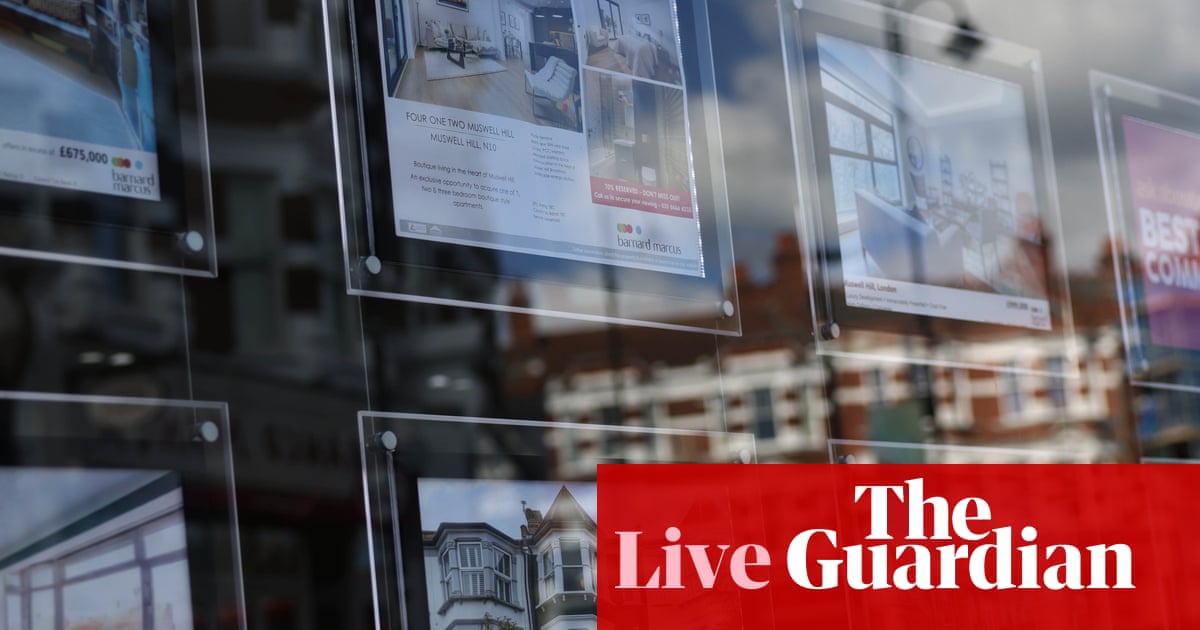
Estate agent windows across the country are sporting slightly altered numbers this morning as the property market hits a sudden speed bump. After months of steady gains, a combination of rising borrowing costs and geopolitical anxiety has chilled buyer confidence, forcing the first monthly drop in property values this year.
How Events Unfolded
Data released by Nationwide Building Society reveals that the average UK house price fell by 0.6% month-on-month in May. This surprise contraction snapped a four-month streak of growth that had given sellers a strong upper hand throughout the spring.
The pull-back leaves the average British home priced at £260,230. While the market isn't exactly in freefall, annual price growth has noticeably lost its momentum, slowing down to just 1.3% in May compared to the 2.4% pace tracked just a month earlier.
What went wrong? Economists point to a twin assault on buyer psychology. Spiralling tensions in the Middle East—specifically escalating concerns over the Iran crisis—have triggered energy market fluctuations, while domestic swap rates (the wholesale borrowing costs that dictate mortgage pricing) have ticked stubbornly higher.
Critical Details
Here's the thing: buying a house is as much about confidence as it is about cash. When global headlines turn volatile, people naturally pull their horns in. The sudden threat of wider international conflict has immediately fed into household financial anxieties here in Britain.
The broader fallout is already reshaping long-term expectations. Property consultancy Savills has downgraded its long-term UK house price forecast, shaving its projections down to an 18.5% total increase by 2030, reflecting a structurally higher interest rate environment than previously hoped.
For everyday buyers in GB, this means mortgage products are failing to drop to the affordable levels anticipated at the start of the year. With the Bank of England holding base rates steady due to sticky inflation risks, lenders have spent the last month quietly repricing their fixed-rate deals upwards.
Reactions & Responses
Industry experts argue that the market is simply responding to the harsh realities of restricted affordability. The initial optimism of early 2026 has collided head-on with macroeconomic headwinds.
The bounce-back in values seen earlier this year appears to have run out of steam. Higher borrowing costs are squeezing affordability, and geopolitical developments have clearly caused buyers to pause.
Commentators from global property agency Knight Frank noted that while consumer confidence had been recovering alongside rising wages, the renewed turbulence in interest rate swap markets has forced many aspiring homeowners to reassess what they can realistically afford each month.
Putting It in Perspective
This sudden drop reverses a familiar trend where limited housing stock kept prices artificially high despite economic gloom. Now, the sheer weight of mortgage payments is acting as a hard ceiling on property valuations.
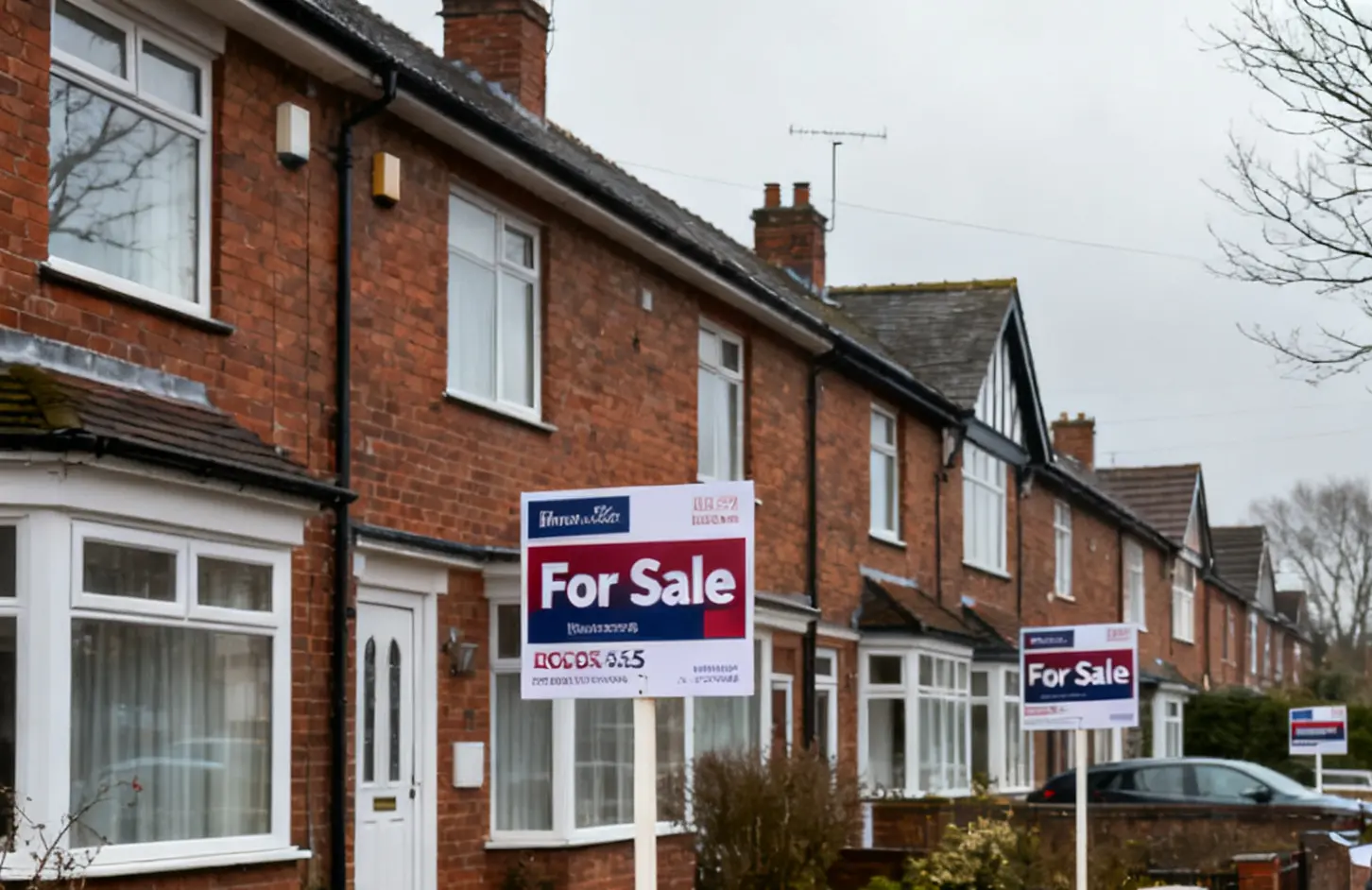
If you're trying to get on the ladder, this cooling could provide a rare silver lining, offering a tiny bit of leverage during price negotiations. However, the savings on the purchase price are likely to be entirely swallowed up by the elevated cost of financing the loan.
Looking Ahead
The coming weeks will be critical for determining whether this May dip is a minor blip or the start of a prolonged summer stagnation. Market stability now rests almost entirely on the stabilization of energy markets and whether inflation data allows the Bank of England to consider cutting interest rates later this year.
Frequently Asked Questions
Why did UK house prices fall in May 2026?
Prices fell by 0.6% primarily due to a combination of rising mortgage interest rates and a dip in consumer confidence linked to the escalating geopolitical crisis in the Middle East.What is the current average UK house price?
According to the latest Nationwide index data, the average price of a residential property in the UK now stands at £260,230.Are house prices expected to crash this year?
No major industry forecast predicts a crash. Instead, experts like Savills expect a flatter, slower growth environment, revising their long-term forecast to an 18.5% total increase by 2030.