Strait of Hormuz fears put global energy security back in focus
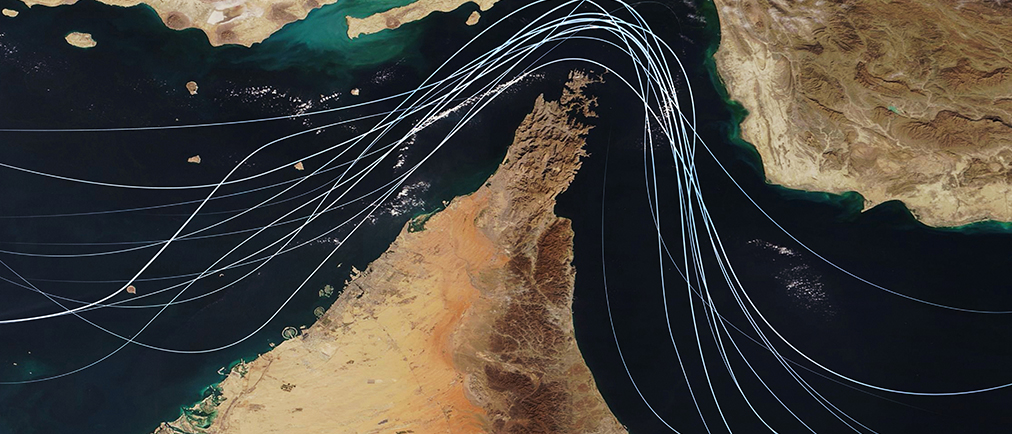
$3.4 trillion. That is the amount expected to flow into the global energy sector in 2026, according to industry forecasts, as governments and companies respond to mounting concerns over supply disruptions linked to tensions around the Strait of Hormuz. The narrow waterway carries a significant share of the world's oil and gas shipments, making any threat to its operation a global concern. For Britain, the issue goes far beyond headlines, touching energy prices, inflation and long-term economic stability.
The renewed focus on the Strait of Hormuz has triggered discussions from boardrooms to government offices. While no full-scale blockade has materialised, the prospect alone has been enough to accelerate investment plans and reignite debates about energy resilience.
The Bottom Line
- The Strait of Hormuz remains one of the world's most critical energy routes.
- Industry leaders warn that disruption could affect oil, gas and shipping markets worldwide.
- Global energy investment is expected to reach $3.4 trillion this year.
- Gulf states are increasing spending on renewables and energy diversification.
- European policymakers are placing renewed emphasis on energy security and resilience.
Breaking It Down
Concerns intensified after escalating regional tensions raised questions about the security of shipping lanes in the Gulf. The Strait of Hormuz has long been viewed as a strategic chokepoint, and even the suggestion of restrictions can send traders scrambling to reassess risk.
Energy agencies and market observers have warned that the consequences of a serious disruption would extend far beyond the Middle East. Oil-importing nations would likely face higher costs, while supply chains dependent on stable fuel prices could come under pressure.
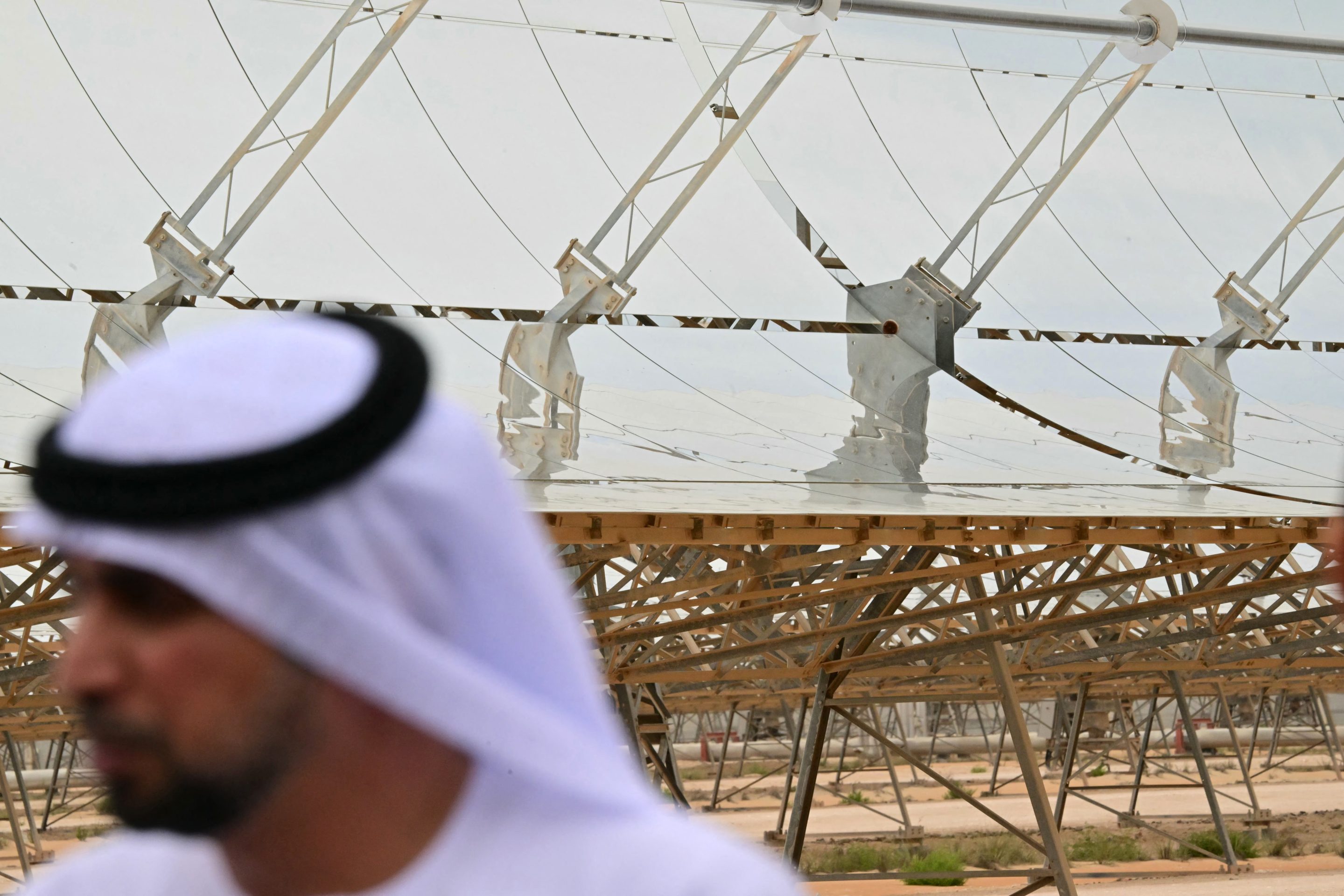
Meanwhile, Gulf nations are not standing still. Several countries in the region are accelerating investments in renewable energy projects, grid upgrades and alternative export infrastructure. The logic is straightforward: reduce reliance on a single route and create a more flexible energy system.
Businesses are also adapting. Procurement teams, manufacturers and logistics operators are reviewing supply chains to prepare for potential shocks. In many cases, resilience has become just as important as efficiency. As the old saying goes, don't put all your eggs in one basket.
Why This Matters
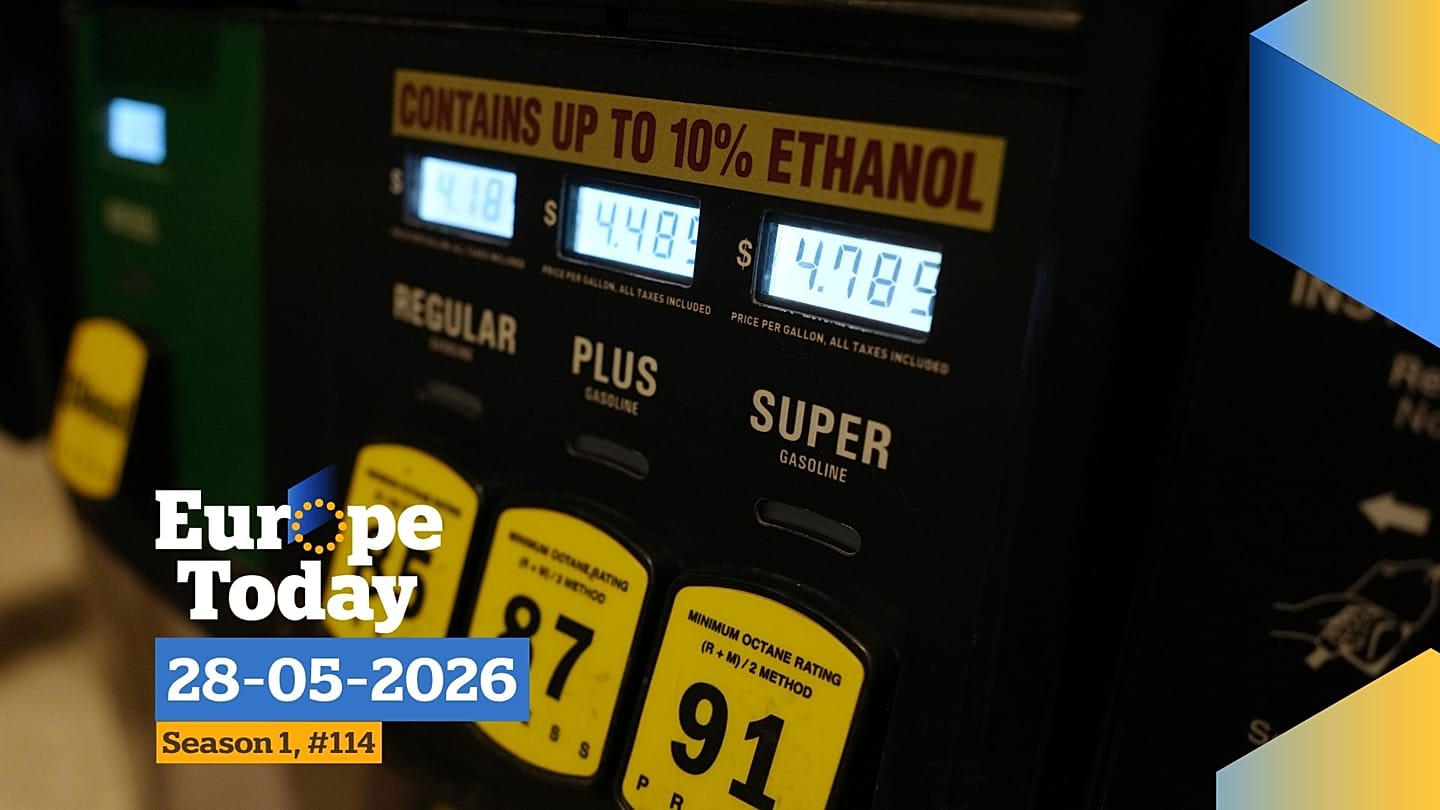
For people in Britain, the immediate concern is cost. Higher energy prices can filter through to household bills, transport costs and the price of everyday goods. You might not see a tanker crossing the Gulf, but developments there can still affect your weekly budget.
There is also a longer-term story unfolding. Policymakers across Europe increasingly view renewable energy, storage technology and diversified supply networks as strategic necessities rather than environmental choices. Recent events have reinforced that argument.
What's interesting is that many experts now see the energy transition and energy security as closely linked goals. Investments in solar, wind and storage are increasingly being justified not only on climate grounds but also as protection against geopolitical disruptions. In other words, every cloud has a silver lining; crises often accelerate change that was already underway.
What Comes Next
Industry observers will continue monitoring shipping activity, regional diplomacy and energy market movements. Governments are expected to review contingency plans and strengthen cooperation with allies to safeguard critical supplies.
At the same time, investment announcements in renewables, grid infrastructure and alternative energy routes are likely to gather pace. The direction of travel appears clear, even if the immediate situation remains uncertain.
FAQ
Why is the Strait of Hormuz so important?
It is one of the world's most significant energy shipping routes, carrying large volumes of oil and gas exports.
Would a disruption affect the UK?
Yes. Global energy markets are interconnected, meaning supply concerns can influence prices paid by British consumers and businesses.
Why are governments talking more about energy security?
Recent geopolitical tensions have highlighted how vulnerable energy systems can be to international disruptions.
How are countries responding?
Many are investing in renewable energy, storage systems and alternative supply routes to reduce dependence on critical chokepoints.
What should consumers watch for?
Changes in energy prices, inflation trends and government policy announcements related to energy infrastructure and resilience.

Resources
Sources and references cited in this article.