Strait of Hormuz today: oil prices plunge as route reopens
Last updated: 17 April 2026
Oil markets lurched within hours — dropping nearly 10% — after Iran signalled the Strait of Hormuz was open again. That single move, in one of the world’s most sensitive shipping lanes, immediately cooled fears of a prolonged supply shock.
For days, tensions had rattled traders and governments alike. Now, with the route temporarily restored under a fragile ceasefire, the mood has shifted — but only just. The question hanging in the air: how long will this last?
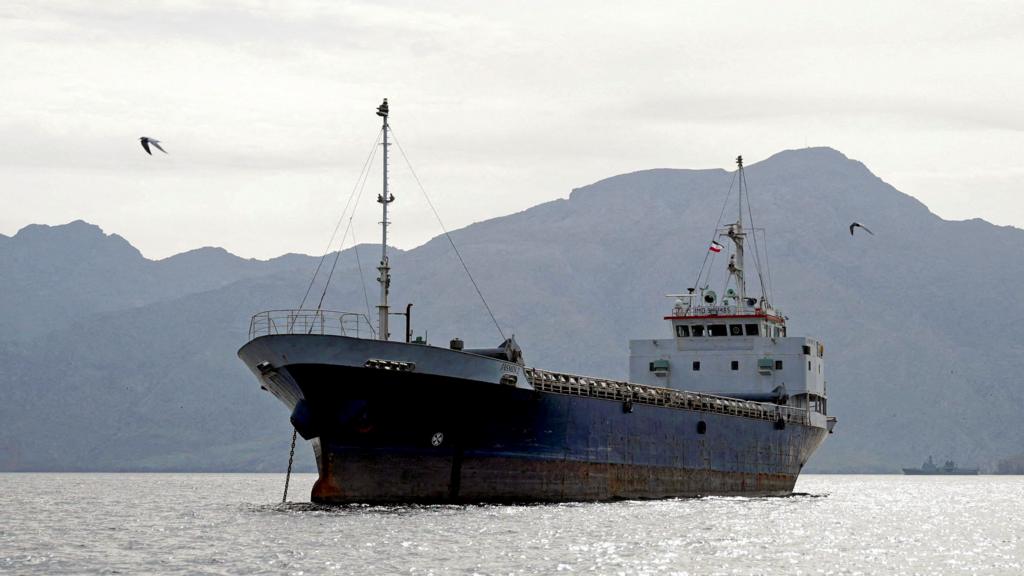
What We Know So Far
The Strait of Hormuz — a narrow passage between Iran and Oman — handles roughly a fifth of global oil supply. When access is threatened, markets react fast. And that’s exactly what happened earlier this week, as fears of disruption sent crude prices sharply higher.
Now, Iran has declared the waterway “completely open” for the duration of a ceasefire tied to wider regional negotiations. That announcement triggered an equally dramatic reversal: crude prices fell, with Brent slipping back after days of volatility.
Meanwhile, Washington’s stance remains firm. US officials have indicated that pressure on Iranian ports will continue despite the reopening, signalling that tensions are far from resolved. It’s a classic case of mixed signals — access restored, but conflict risks still very much alive.
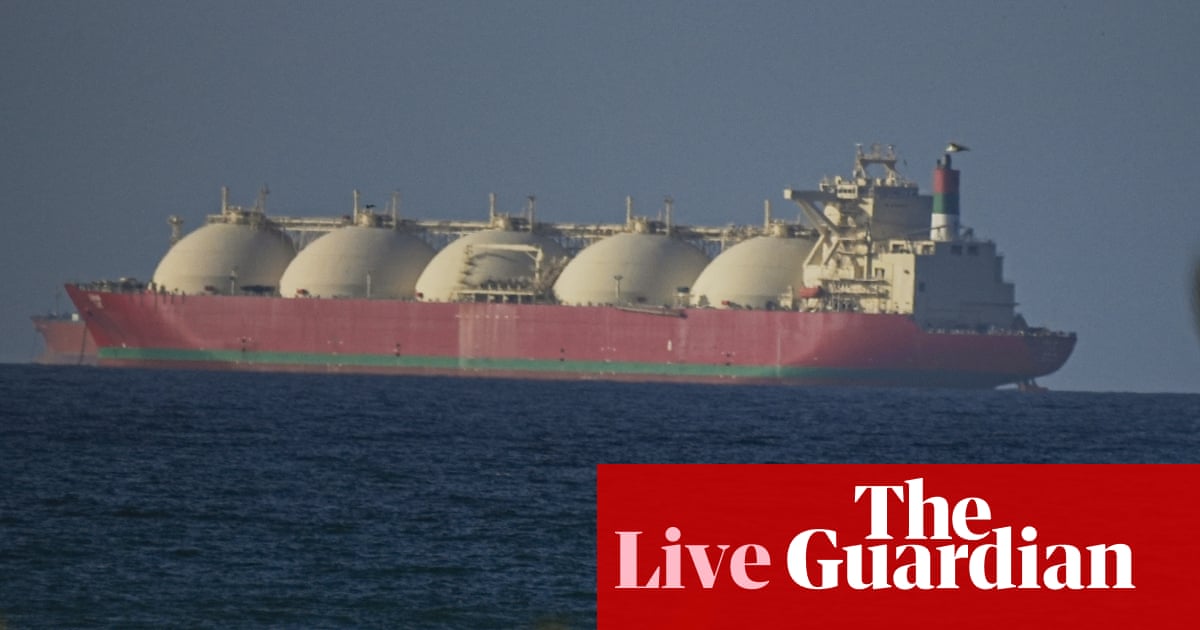
What’s interesting is how quickly markets pivoted. Traders who were bracing for shortages suddenly found themselves recalibrating expectations. But seasoned observers will tell you — don’t count your chickens just yet. Temporary openings in this region have a habit of closing just as quickly.
There’s also a diplomatic layer. The reopening comes alongside tentative progress in talks involving Iran and Western powers. A ceasefire in Lebanon appears to have created just enough breathing space for negotiations to inch forward.
Still, history offers a cautionary note. Similar moments in the past — including flare-ups in 2019 and 2022 — saw short-lived calm before tensions reignited. The Strait’s importance means it’s never far from geopolitical flashpoints.
What People Are Saying
The strait is completely open for the remaining period of the ceasefire.
Pressure on Iranian ports will continue.
Across markets and policy circles, reactions have been cautious rather than celebratory. Analysts note that while the reopening is significant, it doesn’t resolve the underlying conflict. As one trader put it privately, the move buys time — nothing more.
How This Affects You
If you’re in the UK, this isn’t just distant geopolitics. Oil prices feed directly into petrol costs, energy bills, and even food prices through transport and fertiliser costs. A 10% drop in crude can ease pressure — but only if it lasts.
Right now, the reopening offers a breather. Fuel prices could stabilise, and inflation pressures might soften slightly in the short term. But volatility remains the key word.

Here’s the thing — UK households are already dealing with tight budgets. Any sustained drop in oil could help, even modestly. But if tensions flare again, those gains could vanish overnight. It’s a bit of a rollercoaster, and we’re all along for the ride.
Coming Up
Attention now turns to ongoing diplomatic talks. Negotiators are working against the clock to extend the ceasefire and build a more lasting agreement. Markets will be watching every statement, every hint of progress — or setback.
Meanwhile, shipping activity through the strait will be closely monitored. Any disruption, even minor, could trigger another sharp reaction in oil prices.
At a Glance
- Strait of Hormuz reopened under temporary ceasefire
- Oil prices dropped by nearly 10%
- US pressure on Iran continues despite reopening
- UK fuel and energy costs could stabilise short-term
- Long-term outlook remains uncertain amid tensions
FAQ
Why is the Strait of Hormuz so important?
It carries about 20% of the world’s oil supply, making it critical for global energy markets.
Why did oil prices fall?
The reopening reduced fears of supply disruption, prompting traders to lower price expectations.
Will fuel prices in the UK drop?
Possibly in the short term, but it depends on how stable the situation remains.
Is the situation fully resolved?
No. The reopening is tied to a temporary ceasefire, and tensions remain high.
What happens next?
Diplomatic talks will determine whether the ceasefire — and open shipping route — can be sustained.

Resources
Sources and references cited in this article.