
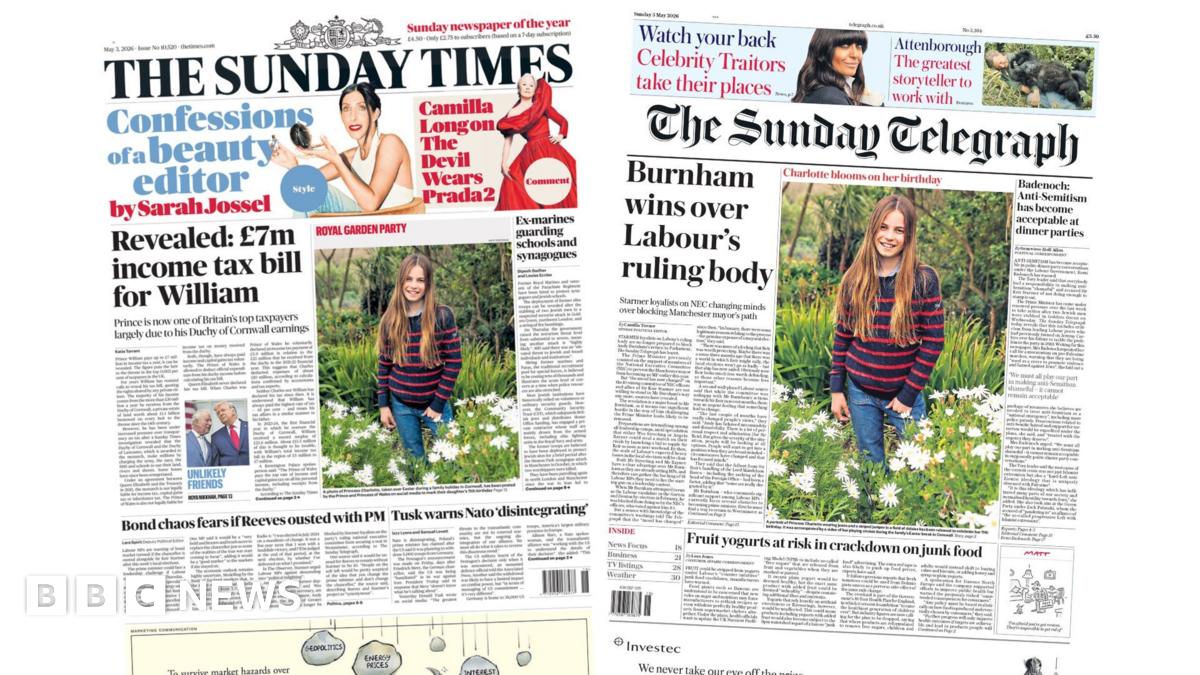
Prince William has reportedly paid around £7 million in income tax in the UK, according to recent disclosures highlighted across major outlets. The figure places him among the country’s highest individual contributors, prompting renewed interest in royal finances and transparency.
For many, it’s not just the size of the bill—it’s what it reveals about how royal income is taxed today. And yes, it’s sparked plenty of chatter from Westminster to the local pub.
The Full Story
The headlines began swirling after reports surfaced that the Prince of Wales had paid roughly £7 million in income tax over the past financial period. The figure stems from earnings tied largely to the Duchy of Cornwall, a private estate that funds the heir to the throne.
Now, here’s where it gets interesting. Since inheriting the Duchy following King Charles III’s accession, William has taken control of an estate worth more than £1 billion. The income generated—through land, property, and investments—flows directly to him, though it’s not technically public money.

Unlike standard taxpayers, royal finances sit in a slightly different category. There’s no legal requirement for the Duchy’s income to be taxed. However, both Charles and now William have voluntarily paid income tax on profits—a move often seen as a nod to public accountability.
Still, the sheer scale of the payment has caught attention. Not exactly pocket change, is it? For context, that £7 million figure puts William among the top 0.002% of UK taxpayers, according to some estimates.
The Main Players
Prince William: The Prince of Wales, now in charge of the Duchy of Cornwall and its financial operations.
The Duchy of Cornwall: A vast estate established in 1337 to provide income for the heir to the throne. It includes farmland, commercial property, and investments across the UK.
King Charles III: Previously oversaw the Duchy and set the precedent for voluntary tax payments.
Key Statistics
- Estimated tax paid: £7 million
- Duchy value: Over £1 billion
- Taxpayer ranking: Top 0.002% in the UK
What This Means
So what does this mean for people here in the UK? For one, it feeds into the broader debate about transparency and fairness in taxation—especially when it comes to wealth tied to historic institutions.

Some see the voluntary tax payments as a positive step, aligning the monarchy more closely with public expectations. Others argue it raises deeper questions: should such income be taxed by default rather than choice?
Meanwhile, for everyday taxpayers, the story offers a rare glimpse into royal finances—something that’s often kept behind closed doors. And let’s be honest, we don’t get that peek very often.
What to Expect
There’s no indication that tax arrangements for the Duchy will change anytime soon. However, scrutiny is unlikely to fade. As conversations around wealth inequality and public accountability grow louder, royal finances may stay firmly in the spotlight.
If you’re following this, expect more reporting—and perhaps calls for clearer rules down the line.
FAQ
How much tax did Prince William pay?
Reports suggest around £7 million in income tax.
Where does Prince William’s income come from?
Primarily from the Duchy of Cornwall estate.
Is the Duchy of Cornwall taxed?
Not by law, but the Prince pays tax voluntarily.
Why is this news significant?
It highlights transparency and fairness in royal finances.
Does this affect UK taxpayers?
Indirectly, as it shapes debates about taxation and accountability.