
Last updated: 26 June 2026
37.3C was provisionally recorded in Santon Downham, Suffolk, after the UK’s June maximum temperature record was broken for a third day in a row. In London and the South East, the heat has moved beyond discomfort into a public-safety warning, with alerts, school closures, transport disruption and pressure on hospitals all converging at once. The immediate question is when the extreme heat will end, but the bigger one is why the UK is still so exposed when these events are becoming more frequent.

The Bottom Line
- The UK’s provisional June temperature record reached 37.3C in Santon Downham, Suffolk.
- A Met Office amber warning for extreme heat remains in place across south-east England and East Anglia until 21:00 on Saturday.
- The UK Health Security Agency extended amber heat-health warnings for the whole of England until Sunday morning.
- More than 1,000 schools have closed or been affected, while hospitals have declared critical incidents during the heat.
- Cooler Atlantic air is expected to push east by Sunday, ending the current heatwave for all parts of the UK.
Breaking It Down
The current heatwave intensified through the week as high pressure and a so-called heat dome pushed dangerously hot air into the UK from western Europe. ITV reported four days of temperatures close to, or above, 35C, with parts of the south-east still expected to see 32C or more on Saturday before fresher air arrives.
London has been at the centre of the disruption. Al Jazeera reported that a central London meeting titled Extreme Heat, held as part of London Climate Action Week, was cancelled because conditions were too hot. United Nations Secretary-General Antonio Guterres put it bluntly: London isn’t just calling. It’s cooking.

The strain has not been limited to the capital. The Guardian reported hospitals in England declaring critical incidents as medical equipment and IT failed in the heat, while staff worked on sweltering wards. The Independent reported three NHS trusts had declared critical incidents, MRI scanners failed at Norfolk and Norwich Hospital, and London Ambulance Service responded to a record-high number of life-threatening emergencies on Wednesday.
Transport has also buckled. Al Jazeera reported 2,600 rail services were cancelled or delayed on Wednesday, while The Independent said South Western Railway advised passengers to avoid non-essential travel until Saturday. The reason is practical as much as operational: direct sunlight heats railway tracks, increasing the risk of problems on lines already carrying heavy commuter demand.
Why This Matters
For people in London, the South East and East Anglia, this is not just a hotter-than-usual spell. The UKHSA amber alert means hot weather is expected to affect health and social care services and increase deaths among older and vulnerable groups. Its public advice says heat can affect anyone, especially when dehydration, lack of breeze, tight clothing, some medications or health conditions reduce the body’s ability to cool itself.
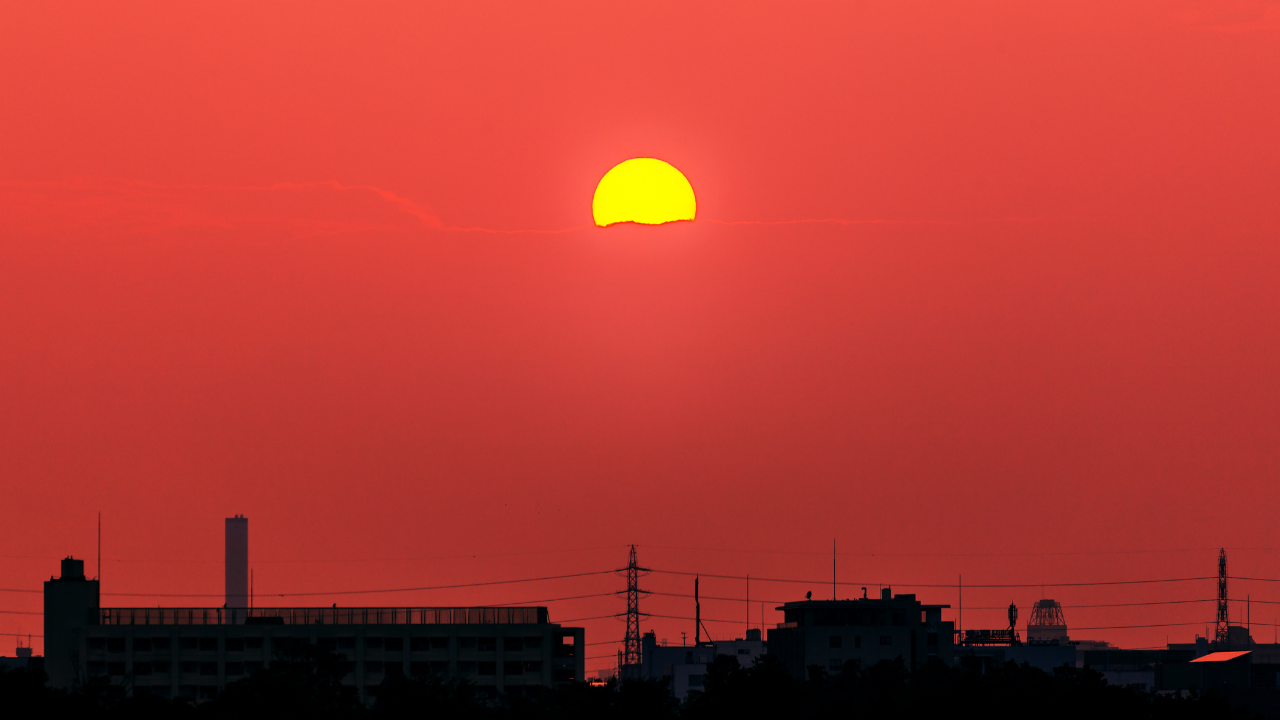
The wider risk is that Britain’s homes, schools, hospitals and transport systems were not built for repeated extreme heat. The Guardian cited the Climate Change Committee’s warning that 92% of existing homes could overheat within about 20 years. Al Jazeera similarly reported that nine in 10 UK properties are not designed to withstand the heat of future summers, with 40C summer highs expected to become normal by 2050.
That matters because the cost is already visible. The National Heat Risk Commission’s Emma Howard Boyd warned that this week’s extreme temperatures risk economic losses of hundreds of millions of pounds and the deaths of hundreds of people. The UK’s 2022 heatwave caused 3,000 heat-related deaths, according to government figures cited by Al Jazeera, most among people above 65.
What Comes Next
The BBC forecast says cooler air will move across the whole UK this weekend, although eastern and south-eastern England will stay very hot through Saturday. By Sunday, weather fronts moving east on south-westerly winds are expected to bring cloud, scattered showers and fresher air, ending the current heatwave for all parts of the country.
Next week should feel different for most people, but the risk has not disappeared. The BBC reported that long-term forecasts for the next two months suggest significant bursts of heat are likely, with temperatures above average, and that the Met Office says a hotter summer is twice as likely as at the beginning of the century.
FAQ
What is the extreme heat warning in London?
The warning refers to extreme heat affecting London, the South East and surrounding regions, with Met Office and UKHSA alerts highlighting risks to health, transport and public services.
When will the London heatwave end?
The current heatwave is expected to ease by Sunday as fresher Atlantic air and weather fronts move east across the UK.
How hot did the UK get in this heatwave?
A provisional temperature of 37.3C was recorded in Santon Downham, Suffolk, breaking the June maximum temperature record for a third day in a row.
Why is extreme heat dangerous in the UK?
UK homes, schools, hospitals and rail systems are often designed for colder conditions. In extreme heat, buildings overheat, rail lines can be disrupted and vulnerable people face higher health risks.
What should people do during hot weather?
UKHSA advises avoiding the strongest sun between 11am and 3pm, keeping homes cool, limiting strenuous activity, wearing loose light-coloured clothing, staying hydrated and checking on vulnerable people.
Will there be more heatwaves this summer?
The BBC reported that long-term forecasts suggest significant bursts of heat are likely over the next two months, with above-average temperatures expected.