
Britain is facing the prospect of another spell of heat in early July after record-breaking June temperatures peaked at a provisional 37.7C in Lingwood, Norfolk, last Friday. The immediate picture is cooler and fresher for much of the UK, but forecasts from the Met Office, BBC Weather and other weather models suggest heat could build again across England and Wales.
That matters because last week’s heat was not just uncomfortable: it disrupted travel, closed schools and nurseries, put pressure on NHS trusts and came alongside dangerous thunderstorms and open-water incidents. The strongest official message is that another heatwave is possible, but conditions are not currently expected to match last week’s extreme heat and humidity.
The Full Story
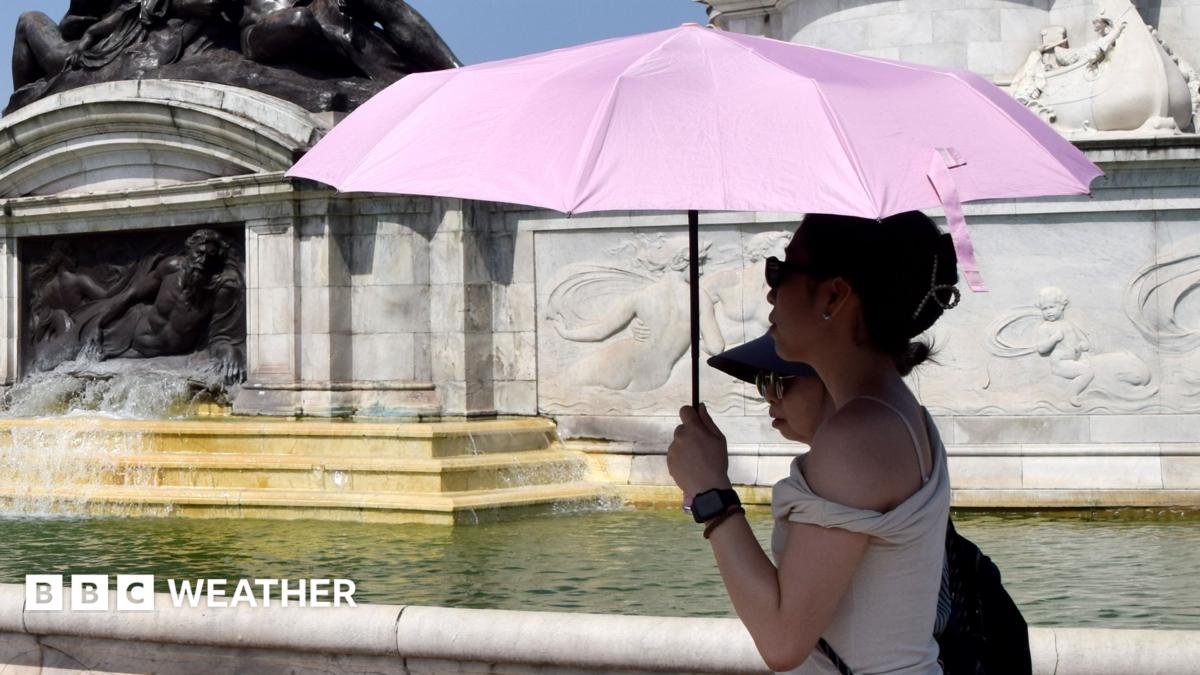
Temperatures have fallen from the exceptional highs seen across the UK last week, when the June record was provisionally broken in Norfolk. BBC Weather reported that high pressure is expected to move in from the south-west later this week, bringing warmer weather first to parts of the Midlands, eastern England and the south-east before spreading more widely into England and Wales.
The Met Office has been careful about the limits of the forecast. Deputy chief forecaster Tony Wisson said: Although a return to heatwave conditions is looking increasingly likely for some areas, the likelihood of such extreme high temperatures or high levels of humidity as last week is currently low.
That distinction is key: heatwave thresholds may be reached, but the same level of oppressive humidity is not the central forecast.
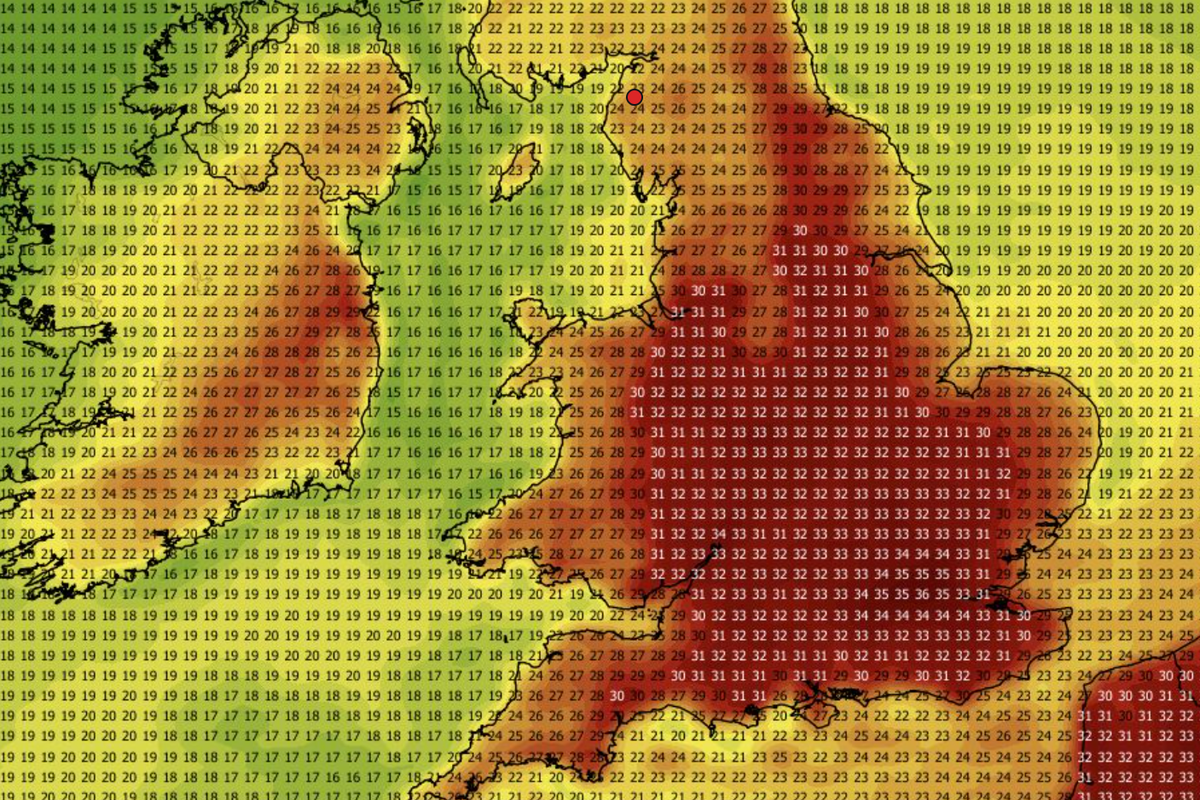
The most eye-catching numbers come from weather model output. WXCharts projections cited by several outlets suggest temperatures could rise above 30C around 6 or 7 July, with some scenarios showing mid-30s in London and the South East. The Daily Star reported one GFS model run showing 38C across parts of England later in July, but that is a model projection rather than a confirmed Met Office forecast.
Meanwhile, the wider European heatwave has remained severe. BBC Weather reported that national temperature records fell in at least eight European countries, while the World Health Organization linked more than 1,300 excess deaths since 21 June to the heatwave, including around 1,000 in France. That European context explains why UK forecasters are watching the next high-pressure pattern closely.
The Main Players
The Met Office is the central UK forecasting authority in this story, with Tony Wisson and Simon Partridge both quoted in source reports setting expectations around the next possible heatwave. Their position is more cautious than some weather-map headlines: heat may return, but last week’s extreme levels are not the current base case.
BBC Weather’s Simon King has framed the forecast around high pressure moving in from the south-west and the growing chance of heatwave conditions in parts of England and Wales. The Independent and ITVX also point to next weekend and early July as the period to watch, especially in the South and South East.
Local communities have already felt the strain. In Norfolk, Lingwood may enter the record books if the provisional 37.7C reading passes quality checks. In health services, six NHS trusts declared critical incidents during the heatwave, while travel networks and schools also felt the knock-on effects.
Key Statistics
The headline figure is 37.7C, the provisional UK June temperature record logged in Lingwood, Norfolk. If verified, it beats the previous June record of 35.6C, first recorded in 1957 and equalled during the 1976 heatwave.
Heatwave thresholds vary by location. The Independent reported that London and surrounding areas need 28C for at least three consecutive days, while much of south-east England has a 27C threshold. The Telegraph reported a 25C threshold for much of the rest of the country.
Transport disruption was also measurable. The Telegraph cited FlightAware data showing 484 inbound and outbound flights delayed at Gatwick and Heathrow by Saturday evening after thunderstorms developed during the hot and humid spell.
What This Means
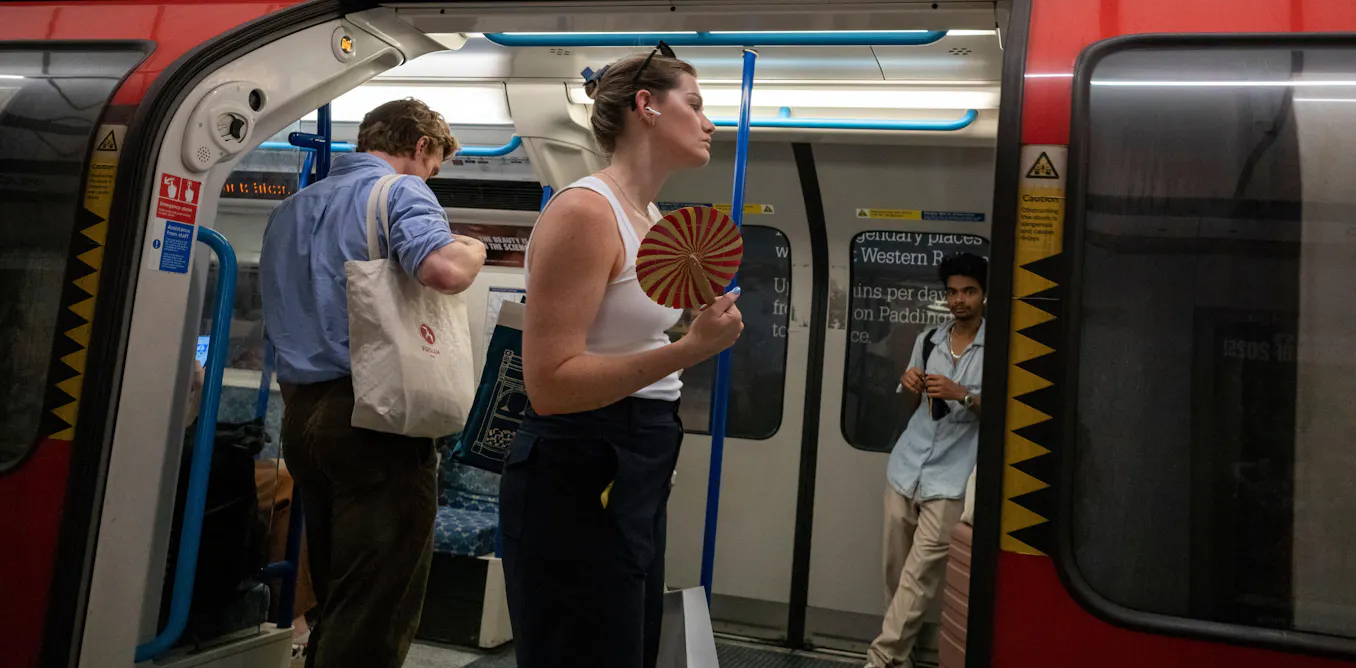
For UK households, the next heat spell is not just about whether a thermometer touches 35C or 38C. The Conversation’s explainer shows why British heat can feel so punishing: humidity slows sweat evaporation, long summer evenings keep buildings warm, and many homes are designed to retain heat in winter rather than shed it in summer.
That is why warm nights matter. The Conversation notes that so-called tropical nights, where temperatures stay above 20C, limit the body’s ability to recover after daytime heat. Urban areas can be worse because buildings and roads release stored heat overnight.
The 40C question sits in a longer-term frame. New Scientist reported that the Met Office has warned that by 2056 there could be nine days in a row above 40C, with some places hitting 45C. That is not a forecast for this July, but it explains why each new heat record now attracts more serious attention.
What to Expect
This week begins closer to a typical UK summer, with fresher air, some sunshine and showers moving into parts of the north and west. Later in the week, temperatures are expected to rise again, with parts of England and Wales reaching the mid-to-high 20s and the South East pushing close to heatwave criteria.
The main period to watch is the start to middle of next week. ITVX reported that parts of the South and South East could see 30C to 32C by the weekend and hotter conditions after that, while some forecast scenarios show values close to 35C or more.
Forecasts will change as weather models update. The practical takeaway is straightforward: keep checking local forecasts, especially if you are in the South East, London, eastern England or parts of England and Wales where heat is expected to build first.
FAQ
Will the UK hit 40C in July?
The provided forecasts do not confirm 40C for July. Some model runs show 35C to 38C, while New Scientist reported separate Met Office projections that 40C-plus spells could become possible by 2056.
When could the next UK heatwave happen?
Several forecasts point to next weekend and the start to middle of the following week, around 6 to 9 July, as the period when heatwave conditions could return in parts of England and Wales.
Where will it be hottest?
The South East, London, eastern England and parts of central and southern England are the areas most often identified in the forecast reports as likely to see the highest temperatures.
What was the latest UK June temperature record?
The Met Office said Lingwood in Norfolk provisionally reached 37.7C last Friday, beating the previous June record of 35.6C if the figure passes quality checks.
Why does UK heat feel so uncomfortable?
Humidity, long summer days, warm nights and homes built to retain winter heat all make hot weather harder to cope with, especially in cities and poorly ventilated buildings.