
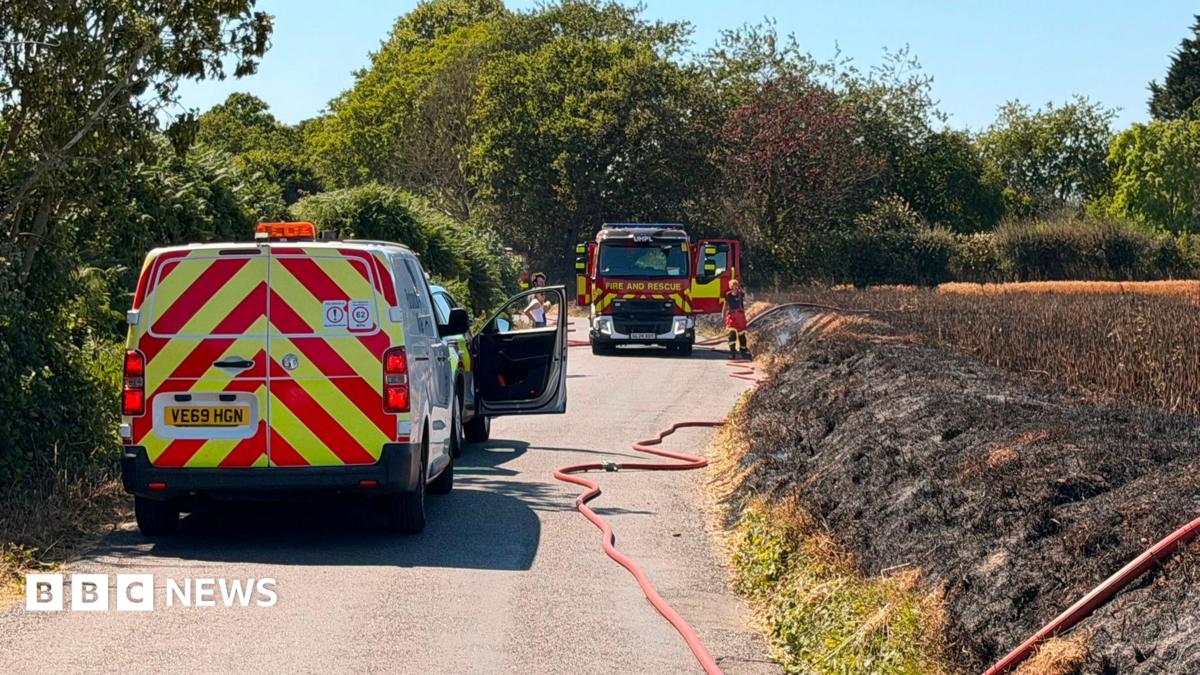
A field fire in West Sussex has been extinguished after drawing a large emergency response and closing a nearby road, a reminder of the elevated wildfire danger facing parts of Britain during the heatwave. The blaze broke out off Priors Leaze Lane in Nutbourne on Sunday, 12 July 2026, and was brought under control by West Sussex Fire and Rescue Service. Crews later left the scene but continued monitoring the area through the evening for any renewed signs of fire. For people across southern England, the incident matters because prolonged dry weather and high temperatures can allow open-land fires to spread quickly towards homes, wildlife habitats and local communities.
Context & Background
The fire came during a spell of scorching, dry weather affecting much of the country. A local report on the road closure said Natural England had identified parts of southern England and the Midlands as being at the highest level of wildfire risk, while the Met Office expected hot, sunny and mostly dry conditions to continue into the week.
West Sussex Fire and Rescue Service said the combination of soaring temperatures and prolonged dry weather significantly increases the chance that a fire will spread rapidly. The service warned that the consequences can extend beyond scorched fields, with potential damage to homes, countryside, wildlife and nearby communities.
National Fire Chiefs Council wildfire adviser Dave Swallow said many wildfires begin with human activity, including disposable barbecues, discarded cigarettes or glass bottles left in sunshine.
Here's What Happened
Firefighters were called at 14:12 on Sunday to reports of a fire in an open field off Priors Leaze Lane. Joint Fire Control mobilised six fire engines and three specialist support vehicles to the scene, according to the fire service statement published by SussexWorld.
Crews worked to bring the blaze under control during the afternoon. A separate BBC account from Nutbourne said multiple crews had extinguished the fire and that officers had left after the immediate danger was dealt with.

A road closure was put in place from Broad Road to Crooks Lane while the incident was active. The AA reported no major delays, suggesting the disruption was contained even as emergency vehicles operated in the area.
West Sussex Fire and Rescue Service said the site would be watched through the evening to make sure there were no further signs of fire.
The Response
The fire service used the incident to urge residents to take extra care during the continuing warm spell. Its warning focused on preventing avoidable ignition sources at a time when fields and vegetation are unusually dry.
But most wildfires start because something provides the spark.
Swallow pointed to disposable barbecues, cigarettes and glass bottles as objects that can start a fire. His warning was aimed at people using parks, countryside and other outdoor spaces during dry conditions.
The Bigger Picture
The Nutbourne fire was contained without reports of major traffic delays. Even so, the response shows how quickly an open-field fire can demand significant resources: nine fire and support vehicles were mobilised, followed by evening monitoring.
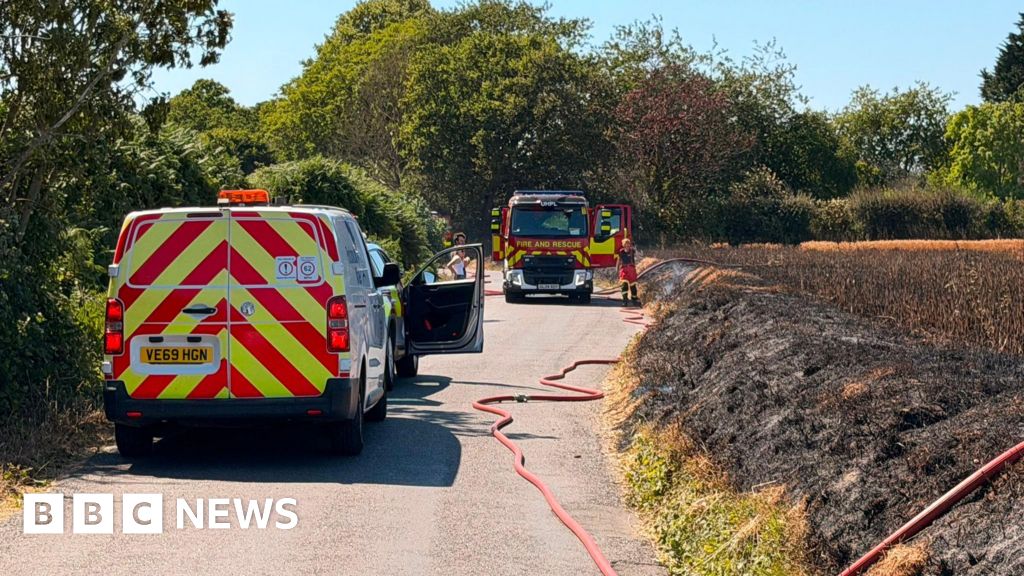
For residents in West Sussex and elsewhere in southern England, the practical effect is a higher need for caution around dry grass and open land. The reported warning does not identify a single cause for the Nutbourne fire, but it links the broader risk to both weather conditions and preventable sparks.
- Wildfire risk
- The chance that fire will start and spread through dry open land or vegetation.
The Road Ahead
Warm, dry and sunny conditions were forecast to continue into the week, keeping the wildfire threat elevated across affected regions. West Sussex Fire and Rescue Service is asking residents to minimise fire risks while those conditions persist.
No further confirmed incident update was included in the supplied reports after crews left the scene and continued evening monitoring.
Frequently Asked Questions
Where was the West Sussex field fire?
The fire was in an open field off Priors Leaze Lane in Nutbourne, West Sussex. A nearby road closure ran from Broad Road to Crooks Lane while crews dealt with the incident.
When did the Nutbourne fire start?
West Sussex Fire and Rescue Service said it was called at 14:12 on Sunday, 12 July 2026. Multiple crews attended during the afternoon and later monitored the site through the evening.
How many fire engines attended the Nutbourne blaze?
The fire service account said six fire engines and three specialist support vehicles were mobilised. A BBC report separately described seven fire engines and specialist vehicles at the scene.
Was the road badly affected?
A closure was introduced from Broad Road to Crooks Lane. The AA said there were no major delays at the time covered by the report.
What caused the West Sussex field fire?
No cause was stated in the supplied reports. Fire chiefs warned more generally that discarded cigarettes, disposable barbecues and glass bottles can provide the spark for wildfires during hot, dry weather.
Why is wildfire risk high in southern England?
Fire officials linked the risk to soaring temperatures and prolonged dry weather, which allow fires to spread rapidly. Natural England identified parts of southern England and the Midlands as being at exceptional risk during the heatwave.