
Extreme flash flooding and back-to-back Kona low storms have devastated parts of Hawaii, prompting mass evacuations and emergency rescues across Oahu and Maui. Local officials are currently monitoring a 100-year-old dam in Waialua that is at risk of failure due to unprecedented water levels. The Governor has confirmed that the damage caused by these persistent storms has now reached $1 billion.
TL;DR
- Hawaii Governor confirms total storm damage has surpassed $1 billion.
- Thousands of residents were evacuated from the North Shore of Oahu and Maui wildfire burn scars.
- Emergency officials issued a critical warning regarding the potential collapse of a century-old dam in Waialua.
- Heavy red volcanic mud and floodwaters have rendered many homes uninhabitable in the worst flooding in years.
What Happened
During the week of March 24, 2026, Hawaii was struck by a series of high-intensity storms known as Kona lows, which dropped record-breaking rainfall across the island chain. In Honolulu and the North Shore of Oahu, the ferocity of the downpour caught many off guard, surprising even seasoned meteorologists who had predicted less severe impacts. The rapid accumulation of water led to immediate flash flooding, forcing rescue teams to use boats and high-clearance vehicles to reach stranded residents.
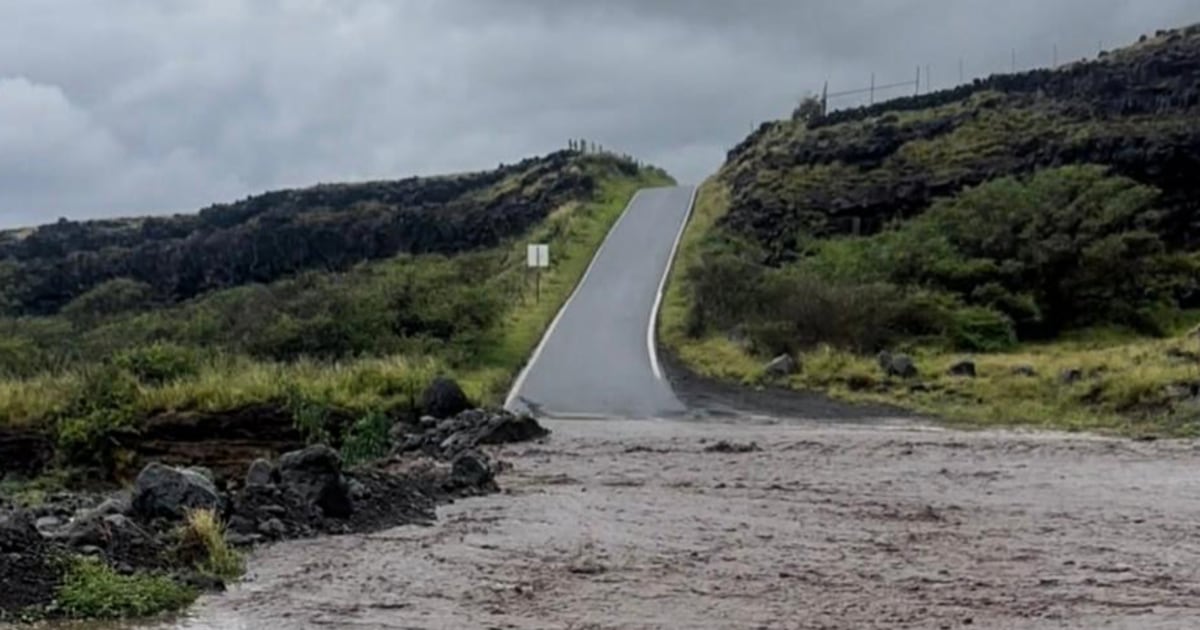
On the island of Maui, the situation was exacerbated by recent wildfire burn scars. The lack of vegetation allowed water to move with increased speed, carrying debris and thick red volcanic mud into residential areas. Emergency services focused heavily on Waialua, where the 100-year-old Wahiawa Dam reached critical capacity, leading to mandatory evacuation orders for those living downstream.

Key Developments
Governor Josh Green officially declared a state of emergency to accelerate the distribution of relief funds. Structural engineers are conducting 24-hour monitoring of the Wahiawa Dam to assess its integrity as more rain is forecast. In Maui, the mudslides have affected critical infrastructure, blocking major roadways and cutting off access to remote communities. Thousands of residents remain in temporary shelters as officials wait for water levels to recede before conducting full damage assessments.
The ferocity of this storm was beyond our initial projections, and the damage to our infrastructure is extensive.
Why This Matters
The financial toll of $1 billion represents one of the most significant weather-related economic hits to the state in recent history. Beyond the monetary cost, the flooding of wildfire burn scars on Maui poses a long-term environmental and safety challenge, as the unstable soil makes the area prone to future landslides. The near-failure of the Wahiawa Dam has also highlighted the vulnerability of Hawaii's aging infrastructure to climate-driven extreme weather events.
What Happens Next
The National Weather Service has warned that while the current Kona low is moving away, another system may bring additional precipitation by the weekend. Recovery crews are beginning the process of removing volcanic mud from homes, but residents are urged to remain cautious of secondary mudslides. Monitoring of the dam in Waialua will continue until water levels drop below the safety threshold. State officials are currently coordinating with federal agencies to unlock additional disaster recovery grants.
Key Terms & Concepts
- Kona Low
- A type of seasonal cyclone in the Hawaiian Islands, usually occurring in winter, that brings heavy rain, high winds, and thunderstorms.
- Burn Scar
- An area of land where vegetation has been destroyed by wildfire, leaving the soil loose and unable to absorb water, which significantly increases flood risk.
Frequently Asked Questions
What caused the extreme flooding in Hawaii?
Back-to-back Kona low storms hit the islands in March 2026, dropping massive amounts of rain that the ground could not absorb, particularly in areas already damaged by wildfires.
Is the Waialua dam safe?
As of late March 2026, the 100-year-old dam is under 24-hour monitoring due to high water levels, and residents in the immediate downstream area have been evacuated as a precaution.
How much damage did the Hawaii storms cause?
Governor Josh Green confirmed that the total damage from the recent storms has reached approximately $1 billion across the state.
Why is the mud red in the flood videos?
The floodwaters pick up red volcanic soil, which is common across Hawaii, and deposit it as thick mud inside homes and on streets as the water recedes.