
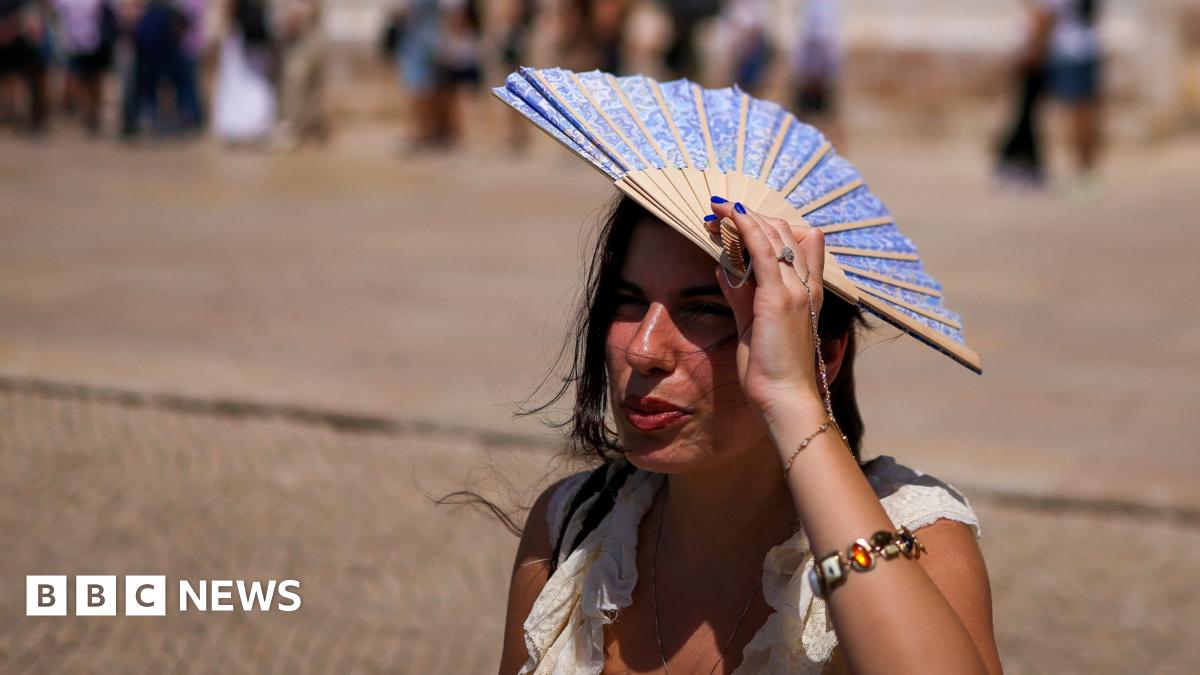
The pavements in Lisbon were shimmering before midday. Tourists crowded into narrow patches of shade, locals carried bottles of water like essentials rather than accessories, and weather alerts kept flashing across phones as temperatures surged towards levels more common in peak summer than late May.
Portugal has officially recorded its hottest May day on record, with forecasters warning that a powerful heat dome stretching across southern Europe could keep conditions dangerous for days. Meanwhile, parts of Italy, including Rome, are bracing for intense heat as Sahara dust and unstable weather systems add another layer of disruption.
How Events Unfolded
Portuguese authorities issued heat alerts across almost the entire mainland after temperatures climbed close to 40C in several regions. Meteorologists linked the spike to a stubborn heat dome trapping hot air over the Iberian peninsula.
The situation turned more complicated as forecasts began mixing extreme heat with thunderstorms, gusty winds and even Saharan dust drifting across the country. In some districts, officials warned of sudden convective winds carrying what forecasters described as “destructive power”. That's the sort of weather cocktail that keeps emergency services on edge.
Rome and other parts of Italy are also feeling the strain. Temperatures there have climbed rapidly this week, with city authorities encouraging vulnerable residents to avoid outdoor activity during the hottest hours. If you're planning a half-term break in southern Europe, you might be wondering whether this is just a blip. Forecasters say it looks more like an early warning of another brutal Mediterranean summer.
It's not exactly cricket weather anymore. And that matters beyond holiday plans. Heat this intense in May puts extra pressure on power grids, hospitals and transport systems before the busiest summer weeks even begin.
The Fine Print
Scientists have been warning for years that southern Europe would become one of the continent's climate hotspots. Warmer seas, longer dry spells and more frequent heat domes are creating conditions where temperature records now fall with uncomfortable regularity.
What's different this time is the timing. Late May used to bring warm evenings and manageable sunshine across Portugal and Spain. Now, authorities are dealing with peak-summer style emergency planning before June has even started.
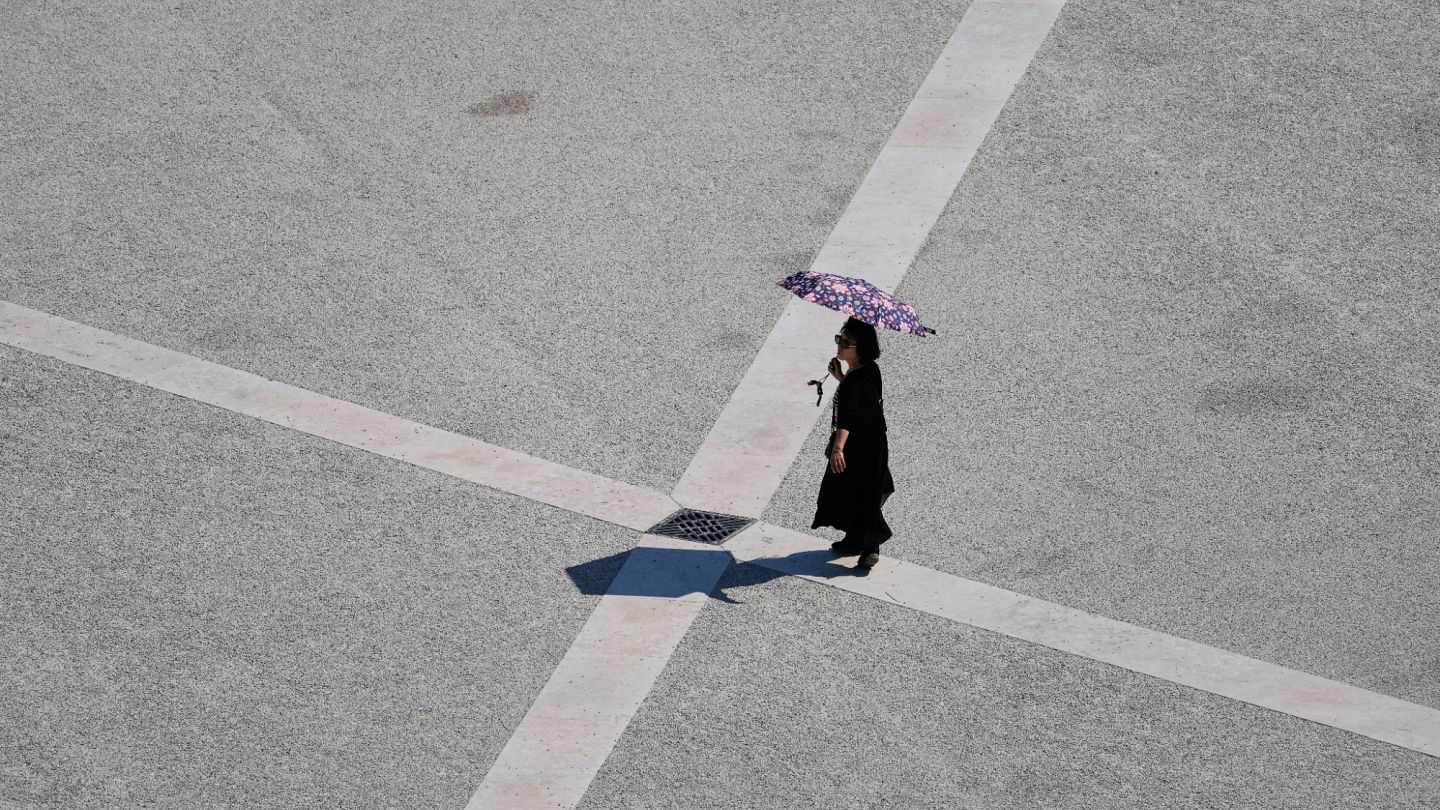
That shift carries real economic consequences. Tourism operators rely heavily on spring travel seasons because conditions are usually milder and more affordable. Persistent extreme heat could change travel habits across Europe, including for British tourists who flock to Portugal every year.
Meanwhile, wildfire risks are creeping higher earlier in the calendar. Dry vegetation combined with strong winds creates the kind of conditions firefighters dread.
- Heat dome
- A high-pressure system that traps hot air over a region for several days.
- Convective winds
- Sudden gusts caused by rapidly rising warm air during unstable weather conditions.
- Saharan dust
- Fine desert particles carried northwards from Africa into southern Europe.
There is also a wider European pattern emerging here. Last summer brought deadly wildfires in Greece and record-breaking temperatures in Spain and Italy. This year, the heat has arrived early. Once is weather. Repeatedly? That's a trend.
The Response
Portuguese weather agencies urged residents to stay indoors during peak afternoon hours and warned about dehydration risks, especially for elderly people and outdoor workers.
People should avoid unnecessary exposure to the sun during the hottest periods of the day.
Emergency services also increased readiness for potential fires and weather-related incidents. Hospitals in some regions reviewed heat response protocols as temperatures continued climbing.
Travel operators are now monitoring conditions closely as British holidaymakers prepare for summer trips. Airlines and tour firms have not announced widespread disruption yet, but local authorities are encouraging tourists to check updated guidance before travelling.
For UK readers, there is another angle here. Climate experts say heatwaves across southern Europe increasingly affect British food prices, insurance costs and even flight schedules because supply chains and infrastructure struggle under sustained heat.
Putting It in Perspective
Europe has seen major heatwaves before, but records falling in May changes the conversation. The earlier extreme temperatures arrive, the longer countries remain exposed to wildfire risks, drought pressure and public health problems.
British travellers are already adapting. More people are booking spring and autumn breaks to avoid midsummer heat spikes, while travel insurers are quietly reassessing risk models in southern Europe.
And here's the thing: infrastructure built decades ago simply was not designed for repeated 40C temperatures. Rail lines buckle. Roads soften. Power demand surges. The ripple effects spread far beyond beach resorts.
Even Rome's famous fountains and shaded piazzas offer only limited relief when overnight temperatures stay unusually high. That's when heat becomes harder for the human body to escape.
Looking Ahead
Forecasters expect temperatures to remain dangerously high across parts of Portugal and southern Europe into the coming days, although thunderstorms may briefly lower conditions in some districts.
Authorities are likely to keep heat alerts active while monitoring wildfire risks and potential storm damage. Long-range forecasts also suggest that Europe could be heading into another exceptionally hot summer season.
If you're travelling from the UK soon, checking local weather warnings may become just as important as checking your boarding pass.
FAQ
Why is Portugal experiencing record heat in May?
A strong heat dome over southern Europe trapped hot air across Portugal, pushing temperatures close to 40C. Climate experts also point to longer-term warming trends increasing the frequency of extreme heat events.
How hot did Portugal get during the heatwave?
Portuguese weather agencies confirmed the country recorded its hottest May day on record. Several inland areas approached or exceeded 40C during the peak of the heatwave.
Is Rome affected by the same heatwave?
Yes. Italy, including Rome, has experienced unusually high temperatures linked to the same broader southern European weather system affecting Portugal and Spain.
Could this affect British tourists travelling to Portugal?
Potentially. Authorities are advising travellers to stay hydrated, avoid peak afternoon heat and monitor local alerts, especially if outdoor activities are planned.
What is a heat dome?
A heat dome forms when high atmospheric pressure traps warm air over a region. The air compresses and heats further, causing temperatures to climb for several consecutive days.
Are these extreme temperatures becoming more common in Europe?
Climate scientists say yes. Southern Europe has seen more frequent and earlier heatwaves in recent years, with records regularly broken across Portugal, Spain, Italy and Greece.