
Last updated: April 3, 2026
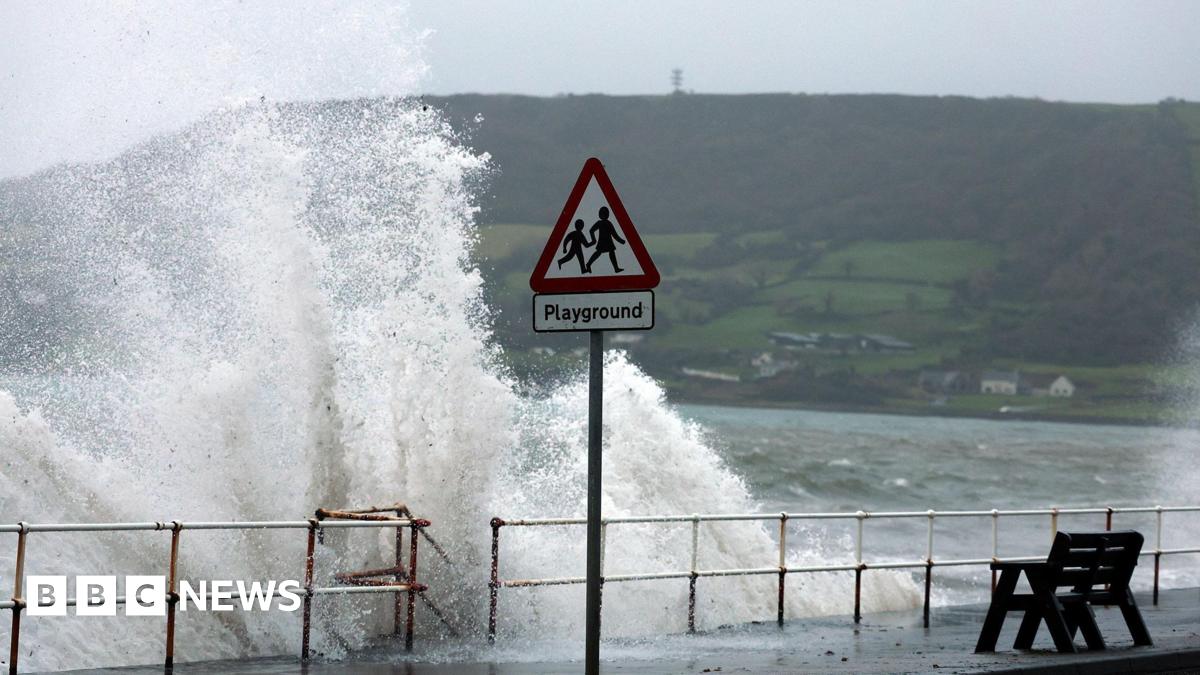
As millions prepare for the long Easter weekend, a fierce weather system officially named Storm Dave is barreling towards the British Isles. The Met Office has issued sweeping warnings across multiple regions, cautioning that severe gales and torrential rain are poised to disrupt travel plans and outdoor festivities. From cancelled ferry crossings in Scotland to extended weather alerts across Wales, the sudden shift in conditions has left many scrambling to alter their holiday itineraries.
Behind the Headlines
Just when we thought spring had properly sprung, the Atlantic has thrown a serious spanner in the works. Storm Dave is the latest named storm to batter our shores this season, bringing unseasonably volatile conditions right in the middle of the school break. Forecasters have been tracking the low-pressure system as it deepens, with computer models consistently showing a direct hit for the northern and western parts of the country.
This isn't just a bit of a breeze. It's a significant weather event that authorities are treating with utmost caution. It's raining cats and dogs out there, and the timing couldn't be worse for the domestic tourism and hospitality sectors banking on a busy Easter weekend. The combination of high winds, heavy rain, and an influx of holiday traffic creates a perfect storm for localized chaos.
Here's What Happened
The situation escalated rapidly over the past 24 hours as the Met Office broadened their initial advisories. What started as a localized yellow warning has now morphed into a wider national concern. Wind warnings were notably extended to include three new parts of Wales, highlighting the storm's expanding footprint across the west coast.

Meanwhile, in Scotland, the impact is already being felt acutely on the transport network. CalMac, the principal ferry operator for the Scottish islands, issued urgent updates as more than half of their routes face severe disruption or outright cancellation. Island communities are bracing for temporary isolation as the maritime conditions deteriorate.
The Scottish national papers are also pointing to mounting 'fuel pump misery'. This suggests that the harsh weather is compounding existing logistical headaches for motorists trying to get away for the break, with queues forming at petrol stations ahead of the anticipated travel gridlock.
Voices & Opinions
Authorities are urging the public to exercise extreme caution if they must travel. Transport operators have been vocal about the logistical nightmares unfolding on the ground and at sea.
We are facing significant operational difficulties due to the extreme sea conditions, and passenger safety must remain our absolute priority over the holiday period.
Meteorologists echo this sentiment, advising holidaymakers to keep a close eye on local forecasts before setting off. There is a general consensus that taking a wait-and-see approach might be the safest option for families planning long drives.
The Bigger Picture
The knock-on effects of Storm Dave are rippling through the Easter economy. With ferries tied up and roads battered by rain and wind, domestic tourism is taking a serious hit. For those heading north or to the Welsh coast, the journey itself has become highly hazardous.
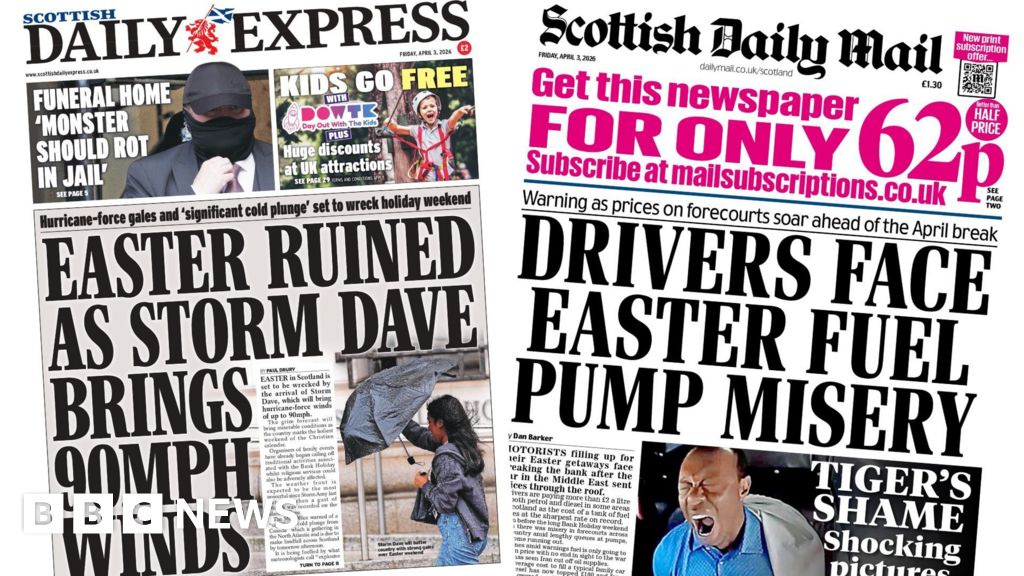
The timing means coastal communities, which usually thrive on the sudden influx of spring visitors, are preparing for a much quieter—and rougher—weekend. Furthermore, infrastructure vulnerabilities are back in focus. The prospect of downed trees, localized flooding, and power outages looms large over rural areas that are directly in the storm's path.
The Road Ahead
Looking forward, the immediate advice is to batten down the hatches and reconsider unnecessary journeys until the weather warnings officially expire. The Met Office will be providing continuous updates throughout the Easter weekend.
Travelers are strongly advised to check with their operators, particularly via the CalMac service status page and regional rail network sites, before leaving home.
Frequently Asked Questions
When is Storm Dave expected to hit the UK?
The storm is expected to peak over the upcoming Easter weekend, bringing severe weather conditions to multiple regions.
Which areas are most affected by the weather warnings?
Scotland and Wales are currently facing the most severe warnings, with northern parts of England also heavily impacted by the system.
Are ferry services operating normally?
No. CalMac has reported that more than half of its ferry routes in Scotland are disrupted or entirely cancelled due to dangerous sea states.
Has the Met Office extended their initial alerts?
Yes, multiple weather warnings are active, and they were recently broadened to include three new regions across Wales.
Will road travel be impacted this Easter?
Absolutely. Motorists are warned of dangerous driving conditions, heavy traffic, and potential fuel supply issues across the affected areas.