
A massive dome of high pressure building over the western United States has triggered severe extreme heat warnings across Arizona and Southern California, pushing temperatures toward a staggering 117 degrees. The dangerously hot conditions, which take effect from Tuesday morning through Thursday evening, present a major heat risk to millions of residents as the region faces its most punishing stretch of the year so far.

The Full Story
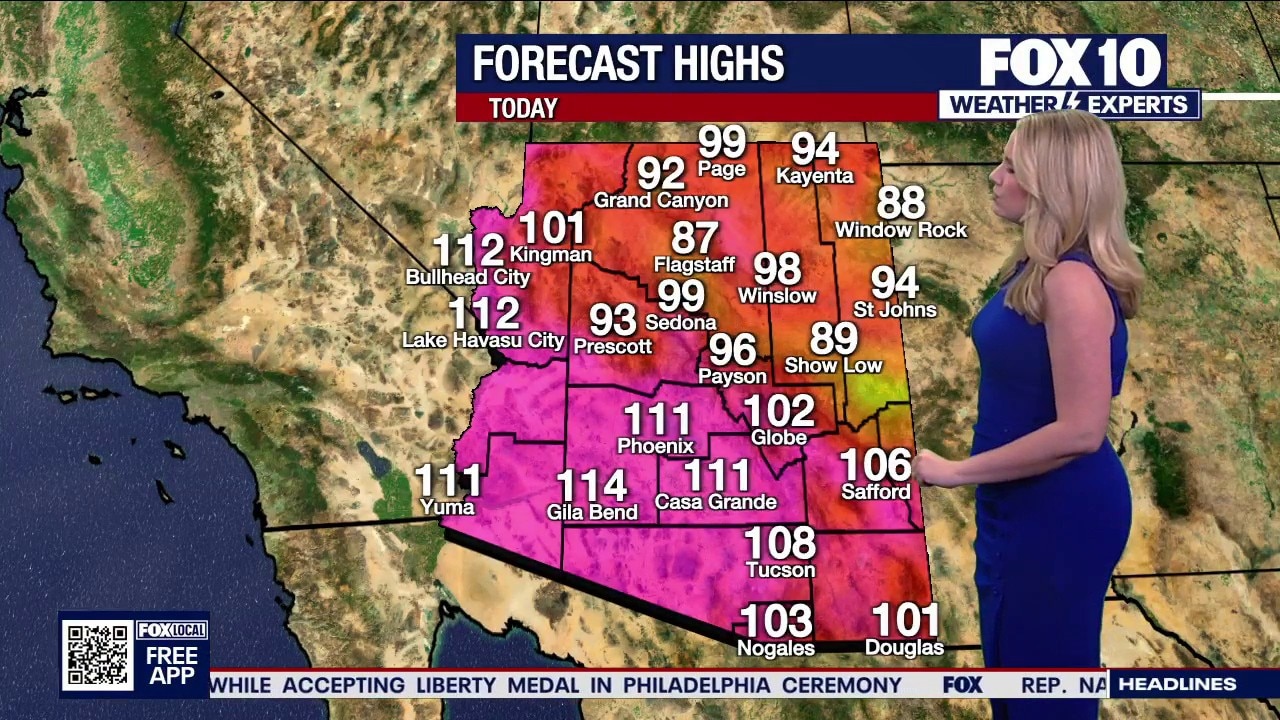
The National Weather Service issued the updated warnings on Monday, alerting communities that afternoon temperatures will consistently soar between 109 and 117 degrees. In the Phoenix metropolitan area, meteorologists expect the mercury to hit 113 degrees on Tuesday and peak at 114 degrees on Wednesday, before remaining at 110 degrees or higher well into the weekend. Further west in Riverside County, the warning issued at 11:55 a.m. covers vast stretches including the Chuckwalla Mountains, Chiriaco Summit, and the Imperial Valley, with peak temperatures similarly forecast to reach 117 degrees.
Meanwhile, the weather setup is complicated by the arrival of the season's first meaningful monsoonal moisture pushing in from the south and east. While a ridge of high pressure usually brings bone-dry air, this particular system is pulling in modest moisture that could trigger isolated thunderstorms along the Mogollon Rim and the mountains east of Tucson. National Weather Service meteorologist Sean Benedict noted that the heat will be at its worst during daylight hours, advising anyone planning outdoor activities to shift their schedules to the early morning or late evening hours.

The combination of extreme heat and initial moisture is creating unique hazards. Because the lower atmosphere remains relatively dry, meteorologists warn that Monday and Tuesday's storms are unlikely to produce substantial rainfall, raising concerns about dry lightning and strong wind gusts exceeding 50 mph that could cause blowing dust and worsen ongoing firefighting efforts like the Pocket Fire. However, as moisture becomes more abundant towards Friday and the weekend, the primary weather threat will transition into flash flooding across lower desert elevations.
The Main Players
The primary organizations coordinating the emergency response include the National Weather Service, which is tracking the high-pressure ridge and issuing localized alerts, alongside regional bodies like the Maricopa County Department of Public Health and the Scottsdale Fire Department. Public safety personnel are managing regional cooling centers and distributing hydration resources to protect vulnerable groups, including older adults, outdoor laborers, and those without reliable home cooling systems.
Key Statistics
The true danger of the current weather system is highlighted by recent public health metrics from Maricopa County, which show there are already 13 more confirmed heat deaths than at this exact point last year, with another 192 fatalities currently under investigation. This spike comes after a devastating 2025 season where 430 people in the Valley lost their lives due to heat-related causes. Compounding the environmental crisis, an official High Pollution Advisory for ozone has been declared for Tuesday, alongside long-term climate data showing that Phoenix is becoming steadily drier, with average yearly rainfall dropping from 8.03 inches down to 7.22 inches in recent decades.
What This Means
This prolonged weather event highlights how quickly extreme summer heat transitions from a regular discomfort into a fatal hazard. For residents across the region, daily life must adapt immediately: local emergency services are advising individuals to drink three to four cups of water every hour to replenish the two to three gallons of sweat an individual can produce daily in these conditions. An Ozone High Pollution Advisory also means anyone with respiratory issues like asthma or COPD must strictly limit their outdoor exposure to prevent severe lung irritation.
For readers in GB looking at these astonishing figures, the situation serves as a stark reminder of the infrastructure pressures caused by extreme global climate patterns. While British summer heat waves rarely match the sheer numbers seen in the American southwest, the escalating public health strategies, reliance on designated cooling stations, and the management of high ozone pollution provide an important blueprint for how modern cities must handle severe weather anomalies moving forward.
What to Expect
The extreme heat warning remains active until Thursday, 9 July at 8 p.m. local time, which will be the most critical window for emergency services. Public safety agencies have stated that mobile emergency alerts will be broadcast directly to all enabled smartphones in the area if hazards reach catastrophic thresholds. Looking beyond Thursday, the high-pressure ridge is expected to shift north and east, which should gradually ease afternoon temperatures back toward 103 degrees while simultaneously opening the door for more volatile monsoon rain and thunderstorms across Arizona over the weekend.
Frequently Asked Questions
What are the official dates for the extreme heat warning?
The extreme heat warning is in effect from Tuesday morning, 7 July, until Thursday, 9 July at 8 p.m. local time.
How high are the temperatures expected to reach?
Afternoon high temperatures across the lower deserts and affected valleys are forecast to reach between 109 and 117 degrees Fahrenheit.
What are the main symptoms of a heat emergency to look out for?
Symptoms progress from muscle cramps and heavy sweating to heat exhaustion (headache, dizziness, nausea, cool skin) and finally heat stroke, marked by confusion, hot dry skin, a temperature over 103 degrees, and unconsciousness.
Where can affected residents find relief and water?
Cooling centers and hydration stations have been set up across the affected counties. In Maricopa County, residents can access transportation and resource details by calling 211.