
The 75 Hard challenge has surged back into the UK conversation, propelled by celebrity transformations, social media scepticism, and renewed debate among health professionals. What began as a US-born self-discipline programme is now a cultural talking point in Britain, blending admiration, controversy, and genuine concern. This digest unpacks how the trend resurfaced, why it resonates now, and what the coverage reveals about modern fitness culture.
Main Topic Overview
75 Hard is a 75-day programme built around uncompromising rules: two daily workouts, strict diet adherence, daily reading, hydration targets, and zero tolerance for missed days. Supporters frame it as a mental toughness challenge rather than a fitness plan. Critics argue its rigidity risks injury, burnout, and unhealthy relationships with exercise. This tension sits at the heart of the UK debate, especially as well-known figures bring the challenge into the mainstream.
News Coverage
How Brutal Consistency Powered Paddy McGuinness’ 75-Day Body Transformation

Men’s Health presents Paddy McGuinness’ transformation as a case study in discipline over motivation. The article emphasises routine, repetition, and structure, positioning the challenge as a psychological reset rather than a quick fix. It also situates McGuinness’ journey within his broader lifestyle changes, suggesting the results were less about novelty and more about sustained behavioural shift. This framing aligns with a long-standing fitness narrative that consistency, not intensity, drives visible change.
What Experts Say About the Viral 75 Hard Workout Challenge
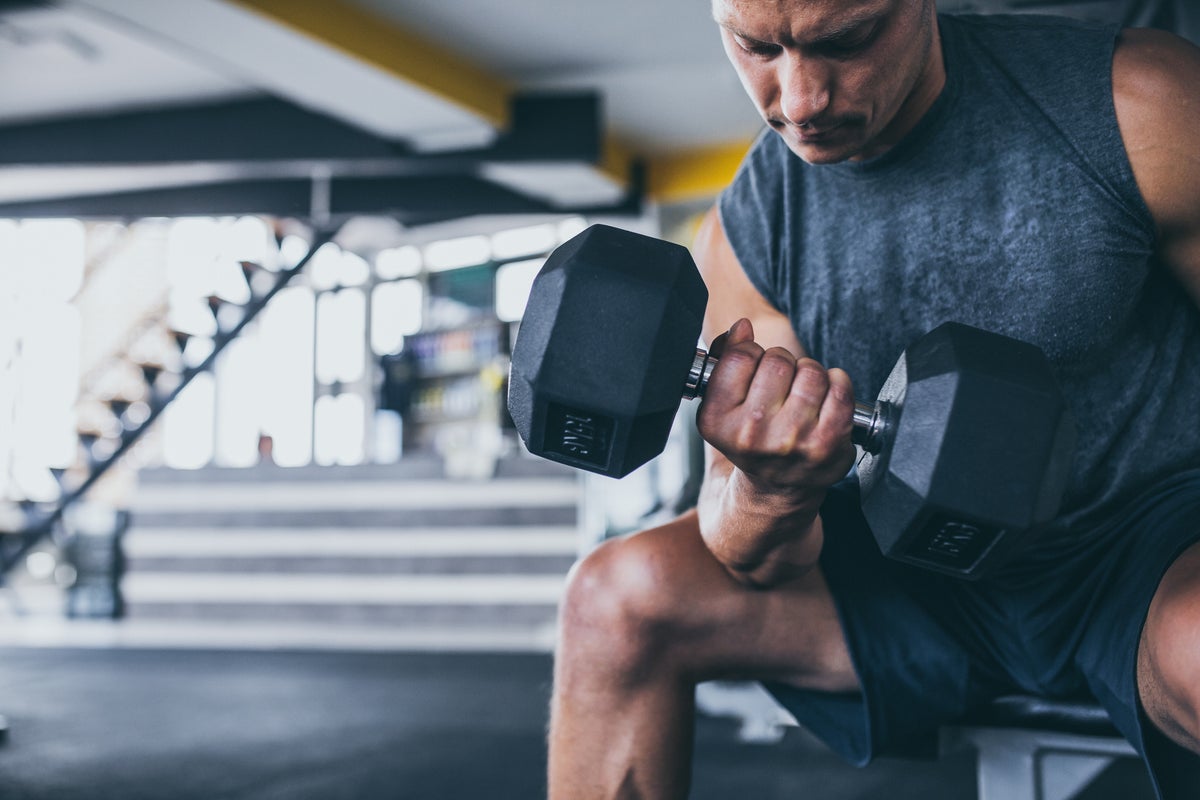
The Independent shifts the focus from celebrity results to physiological and psychological impact. Experts quoted highlight concerns around overtraining, inadequate recovery, and the all-or-nothing mindset the challenge can promote. At the same time, some acknowledge potential short-term motivational benefits for individuals who thrive on structure. The article situates 75 Hard within a history of extreme fitness trends, noting that similar programmes have repeatedly cycled through popularity.
Vernon Kay Mocks Co-Star Paddy McGuinness and ‘Fake’ Body Transformation Photo

This piece captures the lighter, more sceptical tone emerging around the trend. Vernon Kay’s comments introduce humour but also raise questions about image manipulation and social media credibility. By highlighting public doubt, the coverage reflects a broader cultural fatigue with dramatic before-and-after imagery. It suggests that while transformations attract attention, audiences are increasingly wary of what sits behind them.
75 Hard Challenge: What Is the Viral Sensation and Is It Good for You?

The Evening Standard provides a primer-style breakdown, contextualising the challenge for readers unfamiliar with its rules. Health professionals are again divided, with emphasis on individual suitability rather than universal endorsement. The article links the challenge’s appeal to post-pandemic fitness resets, where structured programmes offer a sense of control. This perspective frames 75 Hard as a symptom of broader societal patterns rather than an isolated fad.
Paddy McGuinness Reveals the TikTok Challenge Behind His Transformation

HELLO! leans into the personal narrative, focusing on motivation, self-image, and public reaction. The article highlights how TikTok acts as an accelerant for trends that might otherwise remain niche. By centring McGuinness’ reflections, it underscores the emotional dimension of such challenges, showing how public accountability can be both motivating and pressurising.
Paddy McGuinness Reveals Lessons From Gruelling 75 Hard Challenge

This regional perspective adds nuance by focusing on takeaway lessons rather than aesthetics. McGuinness speaks about discipline, routine, and limits, subtly tempering the more extreme interpretations of the challenge. The coverage suggests that local audiences are less interested in spectacle and more in practical insights, grounding the trend in everyday experience.
Paddy McGuinness Unveils Dramatic Fitness Transformation After ‘Binging’
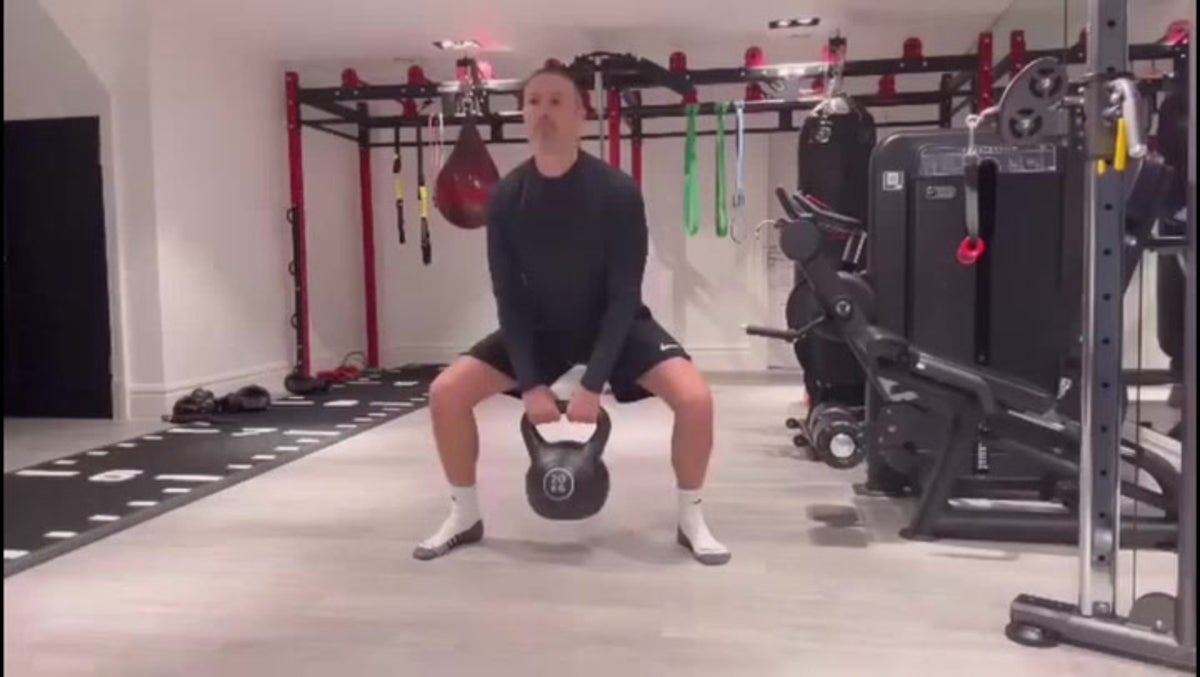
This article revisits transformation culture through the lens of contrast, juxtaposing indulgence with strict control. It raises questions about sustainability and cycles of restriction, echoing long-standing critiques of extreme dieting narratives. By referencing previous lifestyle habits, the piece situates 75 Hard within a broader pattern of reset-and-relapse stories common in celebrity health coverage.
Vernon Kay Accuses Paddy McGuinness of Using AI in Transformation Snaps

The Daily Mail amplifies controversy, introducing claims about AI-altered images. While presented as allegation rather than fact, the story taps into wider anxieties about digital authenticity. This angle broadens the 75 Hard discussion beyond fitness, linking it to trust, technology, and the evolving nature of celebrity imagery in the UK media landscape.
Summary / Insights
Across UK coverage, 75 Hard emerges as more than a workout plan. It is framed as a cultural mirror, reflecting attitudes toward discipline, authenticity, and self-improvement. Supportive narratives highlight routine and mental resilience, while critical voices warn of rigidity and unrealistic standards. Historically, similar challenges have surged during moments of social uncertainty, suggesting this revival fits a familiar pattern.
TL;DR: 75 Hard is trending in Britain again thanks to celebrity visibility, but coverage remains balanced—equal parts inspiration, scepticism, and caution.