
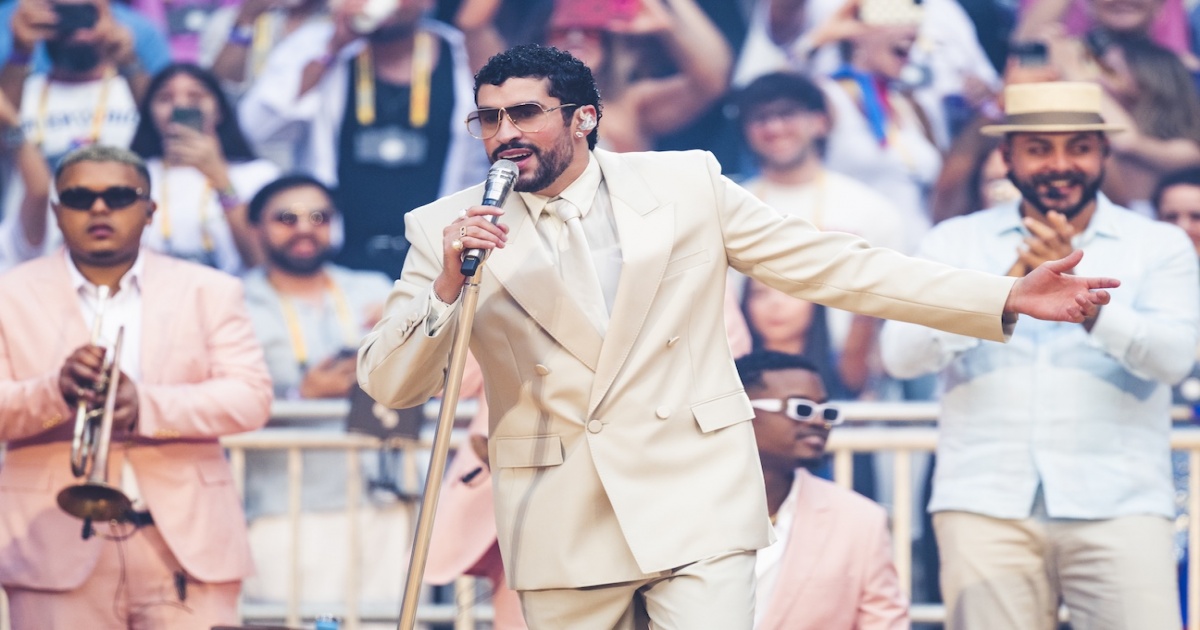
About 50,000 fans filled Tottenham Hotspur Stadium on Saturday night for the first of Bad Bunny’s two sold-out London shows, turning N17 into what felt less like a concert and more like a cultural homecoming. The Puerto Rican star, real name Benito Antonio Martínez Ocasio, became the first Latin American artist to headline a UK stadium, a milestone that stretched beyond the stage. Across north London, the performance landed as a signal that Spanish-language music and Britain’s Latin American communities are moving further into the mainstream.
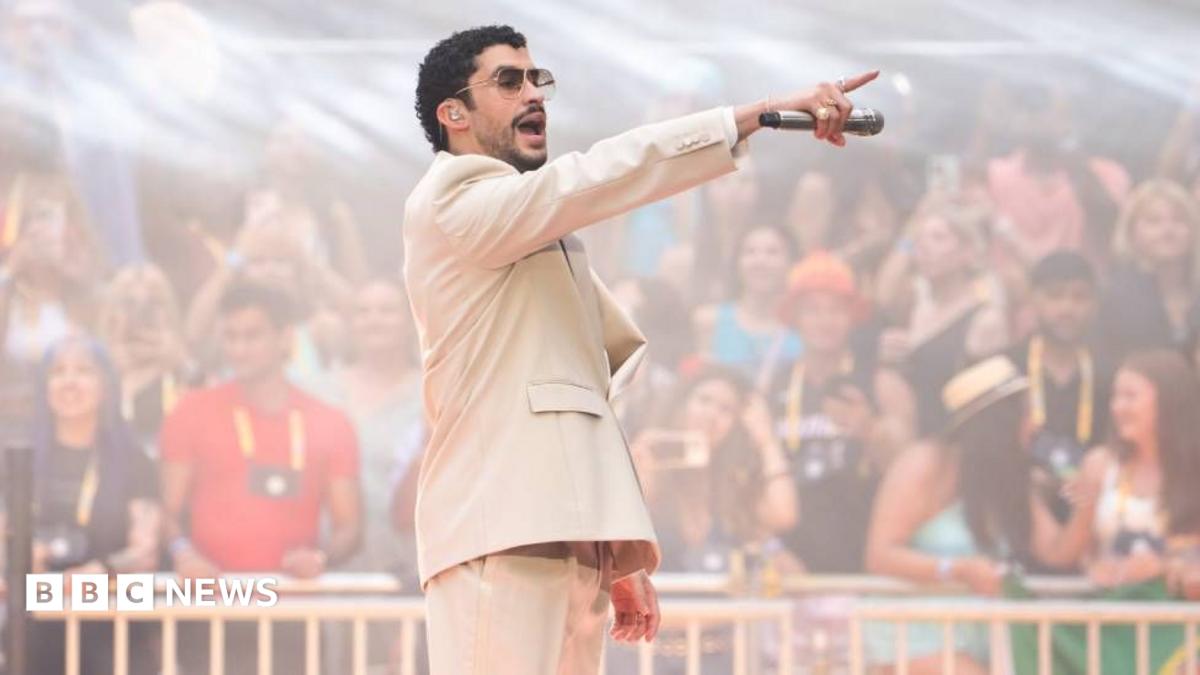
The Bottom Line
- Bad Bunny became the first Latin American artist to headline a UK stadium.
- The first Tottenham Hotspur Stadium show drew about 50,000 fans, with two sold-out nights expected to bring around 100,000 people to north London.
- The set leaned heavily on Debí Tirar Más Fotos, with a three-hour performance mixing Latin rap, reggaeton, salsa and older fan favourites.
- London’s Latin American community used the weekend to highlight visibility, identity and the long campaign for wider recognition in Britain.
- Bad Bunny paid tribute to Venezuela after devastating earthquakes, adding a more serious note to a night built around celebration.
Breaking It Down
The show opened with La Mudanza, the closing track from Debí Tirar Más Fotos, and quickly established the tour’s main idea: a global stadium spectacle built around memory, place and Puerto Rican identity. The album title translates as “I should have taken more photos”, and that sense of holding on to fleeting moments ran through the evening, from the phones lifted across the crowd to the staging built around La Casita.
That small Puerto Rican-style house has become one of the tour’s defining images. At Tottenham, it acted as a second stage, pulling Bad Bunny into the crowd rather than placing him permanently at a distance. The design also echoed the life-size replica built at Seven Sisters Latin Village, where fans without tickets could still step into a version of the tour’s visual world. The Guardian reported that around 100,000 people were expected across the two Tottenham dates, making them the largest Spanish-language shows in UK history.
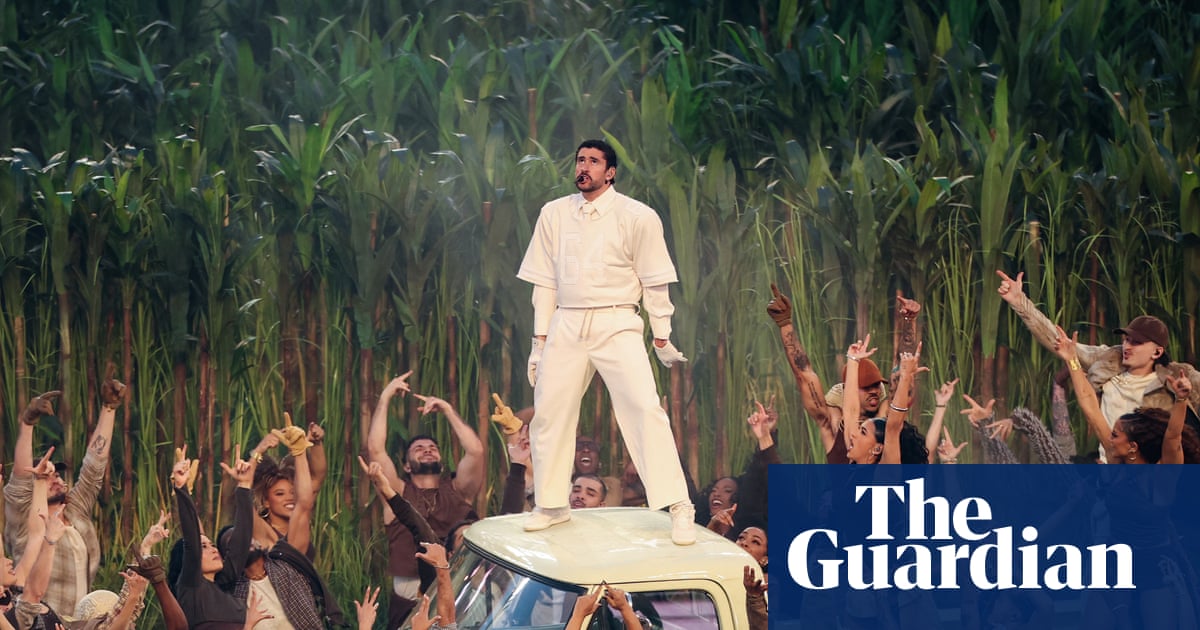
Musically, the night moved between new material and the wider catalogue that made Bad Bunny one of the most streamed Spanish-language artists in the world. BBC Newsbeat described the three-hour performance as a journey through an eight-year discography, from trap and reggaeton fusions to old-school salsa textures. Nuevayol lifted the crowd early, while the city-exclusive song, Cybertruck, drew a more muted reaction.
- La Casita
- A Puerto Rican-style house used as a major visual element in Bad Bunny’s live show and replicated by fans in Seven Sisters.
- Debí Tirar Más Fotos
- The album behind the tour; its title means “I should have taken more photos”.
- Reggaeton
- A Latin music style central to Bad Bunny’s catalogue, heard alongside trap, rap and salsa influences in the London set.
The crowd was not short of famous faces either. Adele was spotted in the stands, Maya Jama appeared in La Casita, and Novak Djokovic introduced a song just days before Wimbledon. Yet the strongest images were the flags and the fan-made sense of belonging, especially among younger British Latinos who saw the show as something more personal than a touring stop.
Why This Matters
For London, the milestone is cultural as much as commercial. Music Week connected the two sold-out Tottenham dates to decades of Latin nightlife, festivals, independent promoters and community spaces that grew outside the UK mainstream. Its piece also cited Luminate figures saying English-language music’s global consumption has fallen to 54%, compared with 80% in the 2000s, while Spanish-language music has gained ground.
That shift matters in Britain because Latin Americans are still not counted as a separate ethnic category in the national census, even as estimates cited by The Guardian place the UK population at about 450,000, with the true figure possibly much higher. Haringey has already moved locally, with council monitoring forms recognising Latin Americans as an official ethnic category after the long-running Save Latin Village campaign around Wards Corner.
“He’s become a beacon.”
Bad Bunny’s decision to perform almost entirely in Spanish sharpened the point. He asked the London crowd for permission at the start, then let the songs carry the night without translating himself for the market. For fans such as Grace from Dartford, who told BBC Newsbeat, “We are here, we are Latinos, we are proud,” the show made heritage feel visible in a stadium that usually hosts football, NFL fixtures and global touring acts.
What Comes Next
The second London show takes place at Tottenham Hotspur Stadium on Sunday, June 28. Time Out reported doors at 5pm, Chuwi expected around 7pm and Bad Bunny expected around 7.50pm to 8pm, with a 10.30pm curfew and a strongly restricted A4-size bag policy for fans heading to the venue.
The wider Latin music calendar is already filling up. Music Week reported that Pitbull is due to headline Hyde Park in July, while BBC Newsbeat noted that Colombian star Karol G is set to play Tottenham Hotspur Stadium next summer. The next question is whether UK festivals, labels and venues follow the audience that Bad Bunny has just put in plain sight.
FAQ
Was Bad Bunny the first Latin artist to headline a UK stadium?
Yes. BBC Newsbeat reported that Bad Bunny became the first artist from Latin America to headline a UK stadium when he performed at Tottenham Hotspur Stadium on Saturday night.
How many people saw Bad Bunny in London?
The first show drew about 50,000 people. Across the two sold-out Tottenham Hotspur Stadium dates, reports ahead of the weekend said around 100,000 fans were expected.
What is La Casita in Bad Bunny’s tour?
La Casita means “the little house”. In the tour, it is a Puerto Rican-style home used as a second stage, giving the stadium show a more intimate and community-centred feel.
What songs did Bad Bunny perform at Tottenham Hotspur Stadium?
The set was dominated by Debí Tirar Más Fotos, with La Mudanza opening the show and Nuevayol becoming an early crowd highlight. Reports also listed older favourites including Tití me preguntó, DÁKITI, Yonaguni and El apagón in recent European setlists.
Why did Bad Bunny mention Venezuela during the London show?
During the concert, Bad Bunny paid tribute to the people of Venezuela following two major earthquakes. BBC Newsbeat reported that he told the crowd: “All Latinos around the world stand in solidarity with you.”