Britain Throws a 100th Birthday Party Fit for David Attenborough
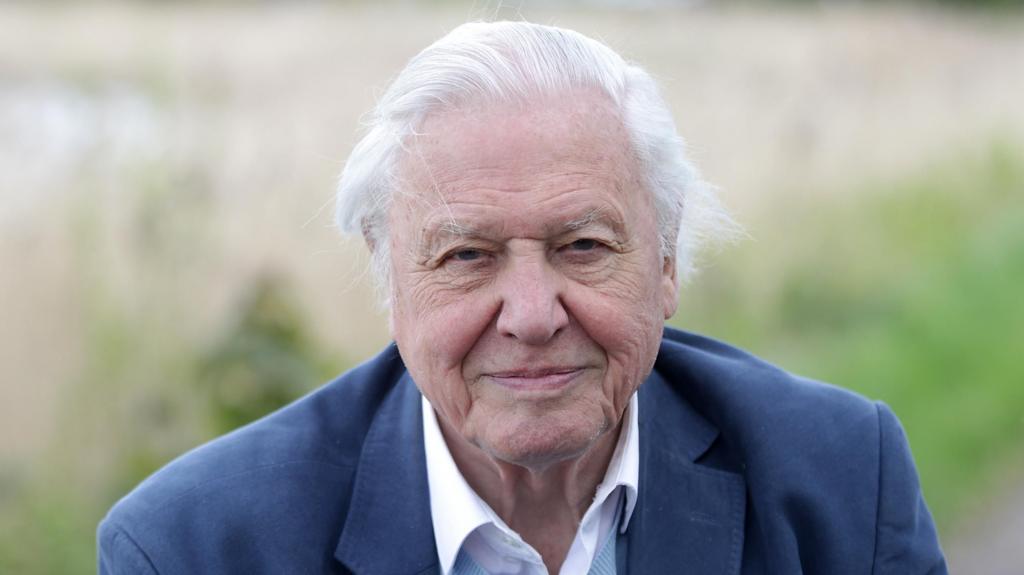
For millions across Britain, Sir David Attenborough is more than a broadcaster. He is the calm voice that introduced generations to rainforests, coral reefs and the fragile state of the planet itself. This week, as the naturalist turned 100, the country marked the milestone with tributes stretching from the Royal Albert Hall to Buckingham Palace. And judging by the reaction online, the celebrations struck a deeply personal chord with viewers who grew up with his documentaries in the background of family life.
Setting the Scene
Attenborough’s reach in Britain is hard to overstate. From Life on Earth in the late 1970s to modern streaming-era documentaries watched by younger audiences, he has remained one of the few television figures trusted across generations. That matters in an age when public trust in institutions often feels wafer-thin.
The centenary celebrations arrived during a renewed focus on climate issues and wildlife protection in the UK. Campaigners, scientists and broadcasters have repeatedly pointed to Attenborough’s work as a turning point in public understanding of biodiversity loss and plastic pollution. You might be wondering why his birthday has dominated headlines rather than simply passing as another celebrity milestone. Here’s the thing — his documentaries changed how Britain talks about nature.
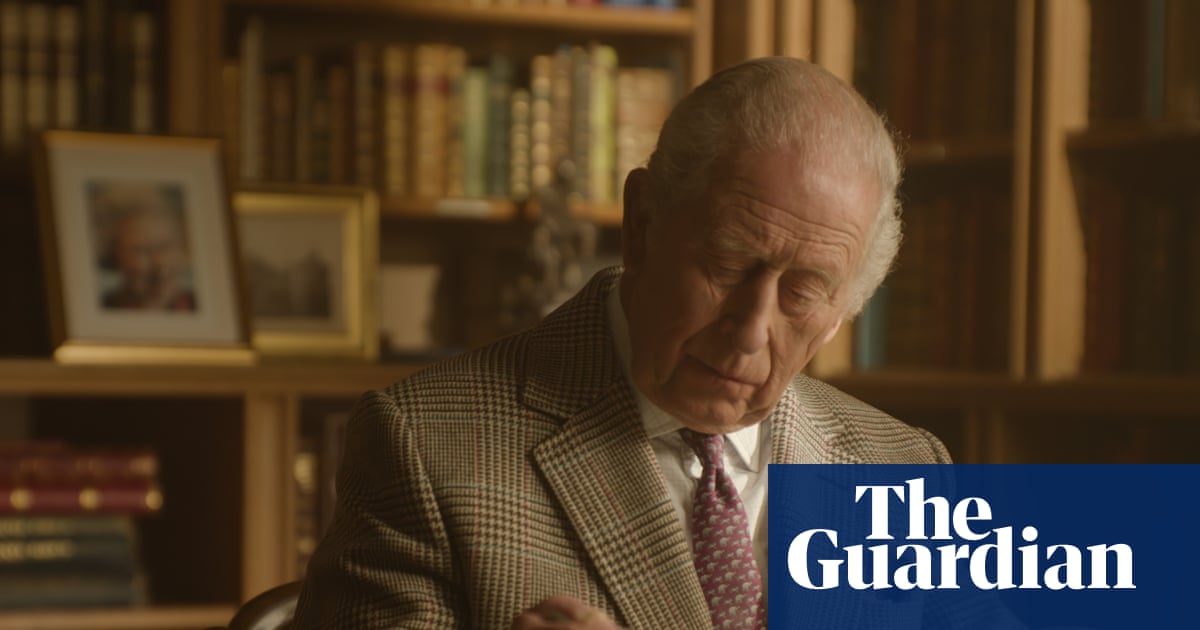
Friends and public figures joined the tributes, including Sir Michael Palin, members of the Royal Family and environmental campaigners inspired by Attenborough’s decades-long career. King Charles also appeared in a surprise filmed message celebrating the broadcaster’s influence on both conservation and public life.
Here's What Happened
The centrepiece of the celebrations took place at London’s Royal Albert Hall, where guests gathered for a major tribute event marking Attenborough’s 100th birthday. Clips from landmark documentaries were shown alongside personal reflections from broadcasters, conservationists and celebrities.
One of the evening’s most talked-about moments came when King Charles appeared in a recorded message praising Attenborough’s ability to connect people with the natural world. The tribute focused not only on his broadcasting achievements but also on his role in pushing environmental issues into mainstream discussion.
Meanwhile, museums and scientific organisations joined the celebrations in their own way. The Natural History Museum announced that a newly identified species had been named in Attenborough’s honour — another addition to a surprisingly long list of animals and plants carrying his name. Over the years, everything from prehistoric reptiles to rare insects has been linked to the broadcaster, a sign of how strongly the scientific community views his legacy.
What's interesting is how broad the public reaction has been. Online searches surged not only for Attenborough himself, but also for questions about his family, children and personal life. In Britain, there remains genuine fascination with the man behind the voice — especially because he has largely kept his private life away from the spotlight despite decades on television.
Reactions & Responses
Sir Michael Palin, a longtime friend and fellow broadcaster, described Attenborough as someone who changed public understanding of the natural world “without shouting.” That understated approach has long been part of his appeal. Rather than lecturing audiences, Attenborough brought viewers face to face with wildlife and let the images do much of the talking.
He made people care about places they may never visit.
Tributes also poured in from younger campaigners who grew up watching Attenborough documentaries in classrooms and at home. Leonardo DiCaprio publicly praised his environmental advocacy, while conservation groups highlighted how his programmes helped turn issues like ocean plastic into mainstream concerns.
Across social media in the UK, many viewers shared memories of watching Attenborough with parents and grandparents. A proper national treasure, as more than a few posts put it. Not bad going for someone who began his BBC career before colour television even arrived in British homes.
The Bigger Picture
Attenborough reaching 100 feels symbolic for Britain’s environmental movement. His career spans a period in which wildlife populations declined sharply worldwide, while public awareness of climate change rose dramatically. In many ways, his documentaries tracked both stories at once.
For British audiences, his influence also changed television itself. Expensive natural history filmmaking became a major global export for the BBC, helping shape Britain’s reputation for documentary production. That success generated international sales, tourism interest and long-term investment in factual broadcasting.
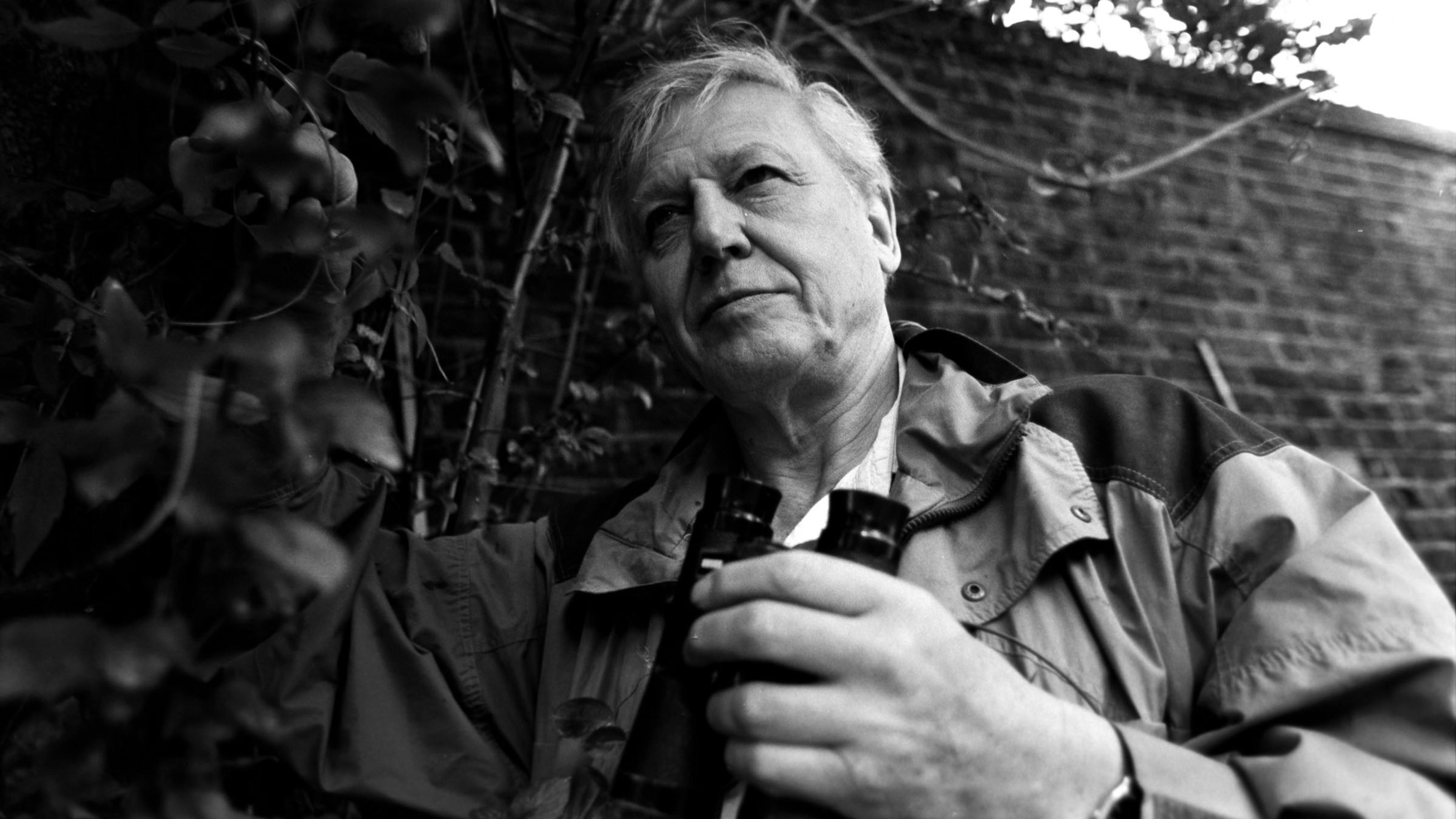
And there’s another layer to this story. Britain is currently debating how aggressively it should pursue climate targets while managing rising living costs. Attenborough’s popularity cuts through political divisions in a way few environmental voices manage. People who disagree on almost everything else still tend to stop and listen when he speaks.
The Road Ahead
Despite turning 100, Attenborough has shown little sign of stepping away entirely. New documentary projects linked to conservation and ocean protection are already in development, with broadcasters expected to continue revisiting his archive throughout the year.
For many viewers, though, the birthday celebrations were about more than television. They were a reminder of how one familiar voice quietly shaped Britain’s relationship with the natural world over nearly eight decades.
FAQ
How old is David Attenborough now?
Sir David Attenborough turned 100 years old in May 2026.
Did King Charles pay tribute to David Attenborough?
Yes. King Charles appeared in a surprise filmed tribute during the centenary celebrations.
Does David Attenborough have children?
Yes. Attenborough has two children from his marriage to Jane Elizabeth Ebsworth Oriel.
Where was David Attenborough’s birthday celebration held?
The main public celebration took place at London’s Royal Albert Hall.
Why is David Attenborough so important in Britain?
His wildlife documentaries transformed public understanding of nature, conservation and climate change across generations.

Resources
Sources and references cited in this article.