
Fans across the UK who followed The Boys from its brutal first season to the final chapter were left asking the same thing this week: where was Queen Maeve? Dominique McElligott’s character played a major role in shaping the series, yet her absence from the ending quickly became one of the biggest talking points online. And now, new comments from the show’s creator have finally explained what happened behind the scenes.
What makes this stand out is how unusual it feels for a long-running character to disappear from such a high-profile finale. British viewers who have stayed loyal to the show through years of twists, political satire and genuinely chaotic storytelling expected at least one final appearance from Maeve. Instead, the silence became part of the story itself.

Context & Background
Queen Maeve was never just another superhero in The Boys. From the beginning, she acted as a moral counterweight inside Vought’s deeply corrupt world. While Homelander spiralled further into violence and manipulation, Maeve represented the idea that some heroes still had a conscience — even if they were exhausted by the system around them.
Dominique McElligott’s performance also mattered because it grounded the show emotionally. Amid exploding bodies, outrageous satire and dark humour, Maeve often brought a more human edge. Viewers saw her struggle with fear, identity and survival in a world where doing the right thing usually came with consequences.
By Season 3, the character stepped away after surviving a near-fatal showdown with Homelander and Soldier Boy. Her exit felt final at the time, but many fans assumed the final season would bring her back one last time. That was the expectation. The reality turned out differently.
Here's What Happened
According to comments from creator Eric Kripke, Dominique McElligott was invited to return for the final season but chose not to come back. The explanation appears less dramatic than many fan theories suggested. Reports indicate the actress had effectively stepped back from acting after her earlier exit from the show.
Kripke reportedly respected that decision and avoided forcing a cameo that might feel artificial. Instead, the writers kept Maeve’s influence present through references and emotional fallout rather than physically bringing her into the final conflict.
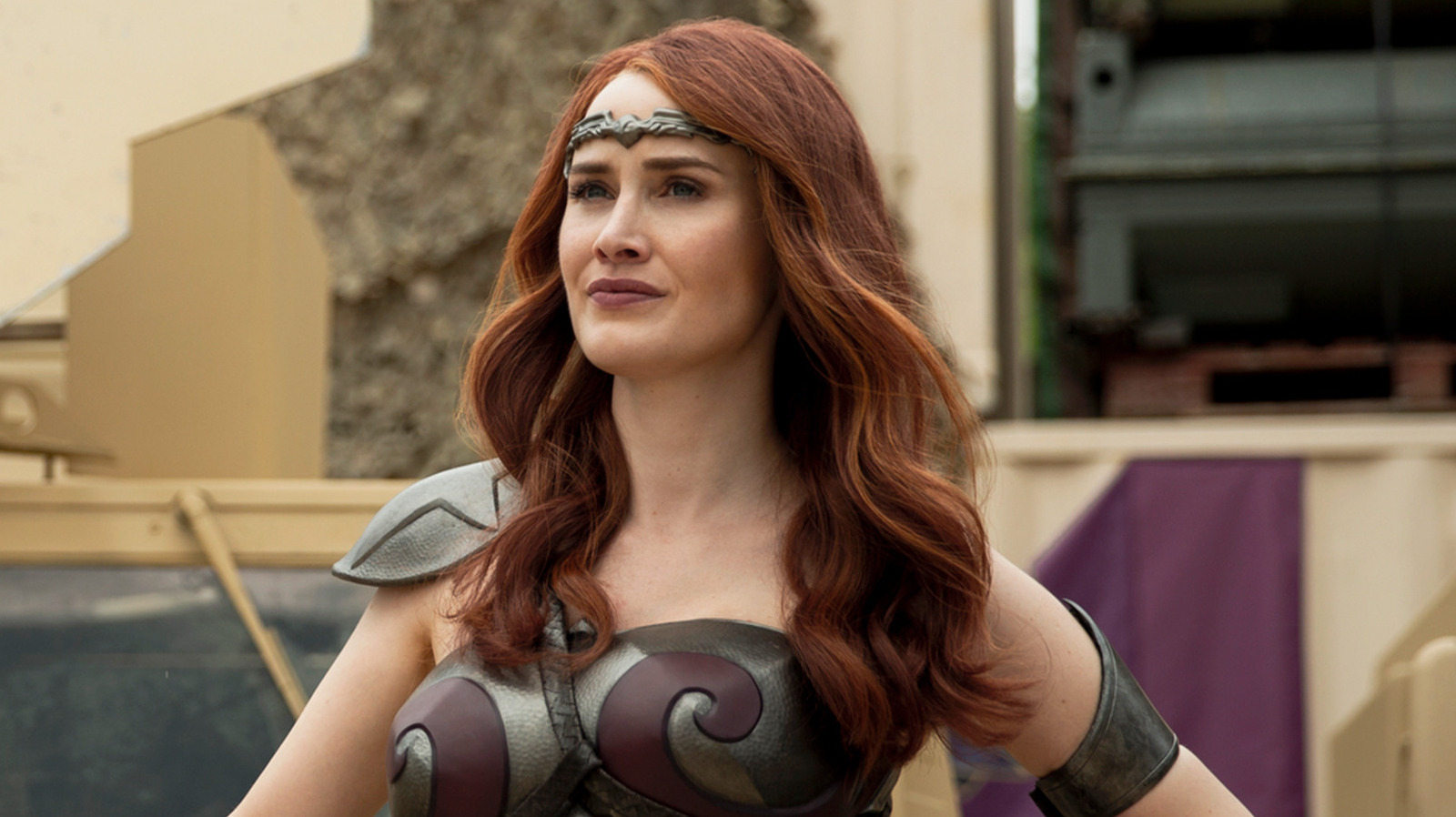
What's interesting is how strongly viewers reacted online once the finale aired. Across fan forums and social media, many argued that Maeve deserved closure alongside the rest of the surviving cast. Others defended the decision, saying her earlier escape already gave the character a rare happy ending in a universe famous for destroying almost everyone.
There is also a practical side to this. Television finales often struggle with balancing nostalgia and storytelling momentum. Bring back too many former characters and the ending becomes crowded. Leave someone out and audiences immediately notice. You can't please everyone, as the saying goes.
The Response
Eric Kripke explained that the production did reach out about a possible return. However, he suggested McElligott had moved into a different stage of her life and was no longer actively pursuing acting projects in the same way.
We wanted her back, but we respected where she was at.
That response landed differently with fans. Some appreciated the honesty and the respect shown toward the actress’s personal decision. Others still felt disappointed because Queen Maeve remained central to the emotional history of the series.
If you have followed modern streaming television closely, this debate probably feels familiar. Big finales now carry enormous pressure online, where every missing character becomes a trending discussion within hours.
The Bigger Picture
The reaction around Queen Maeve says something bigger about how audiences connect with long-running streaming dramas. Characters are no longer just supporting pieces in a story. Over multiple seasons, viewers form attachments that feel surprisingly personal.
For Prime Video, The Boys remains one of its flagship franchises. Even with the original series ending, spin-offs and related projects continue expanding the universe. That means characters like Maeve could still be referenced — or potentially revisited someday — even if no return is currently planned.

Meanwhile, British viewers continue playing a major role in keeping these conversations alive online. UK audiences have long embraced darker comic-book adaptations, and The Boys tapped directly into that appetite for sharp satire mixed with brutal action.
And here's the thing — the fact people are still debating Maeve’s absence days after the finale shows how much impact the character had. In television, being missed can sometimes say more than appearing at all.
The Road Ahead
At the moment, there is no confirmed indication Dominique McElligott plans to return to acting or revisit Queen Maeve in future spin-offs. Producers appear to consider her storyline complete.
Still, television history is full of unexpected comebacks. Especially in franchise storytelling. So while the door seems closed for now, fans are unlikely to stop speculating anytime soon.
FAQ
Why was Queen Maeve missing from The Boys finale?
Reports from the show’s creator indicate Dominique McElligott chose not to return for the final season. The production respected her decision and did not force a final cameo appearance.
Did Dominique McElligott retire from acting?
There has been discussion suggesting the actress stepped back from acting after leaving the series, though no formal retirement announcement has been widely confirmed.
Was Queen Maeve killed off in The Boys?
No. The character survived the events of Season 3 and escaped with a chance at a quieter life away from Vought and Homelander.
Could Queen Maeve appear in a future spin-off?
Nothing has been confirmed. However, the wider universe of The Boys continues expanding, so fans believe a future reference or appearance remains possible.
Why do fans care so much about Queen Maeve?
Maeve became one of the show’s emotional anchors. Her struggle against Vought and Homelander gave the series a more grounded human perspective.