Eric Morecambe centenary celebrations revive Britain’s favourite comic partnership
A century after his birth, Eric Morecambe is back at the centre of British cultural life. Murals are being unveiled, tribute tours are filling theatres, and towns across Lancashire are marking the comedian’s 100th birthday with a wave of events that feel surprisingly current for a performer whose heyday peaked decades ago.
What’s striking is how deeply the affection still runs. Younger audiences are discovering the Morecambe and Wise sketches online, while older viewers are revisiting routines they can quote almost word for word. In an era of fragmented entertainment, that kind of cross-generational appeal is rare.
Meanwhile, councils, theatres and broadcasters are leaning into the nostalgia. And frankly, it says something about Britain’s appetite for warmth, silliness and old-school charm during a fairly bruising few years.
What We Know So Far
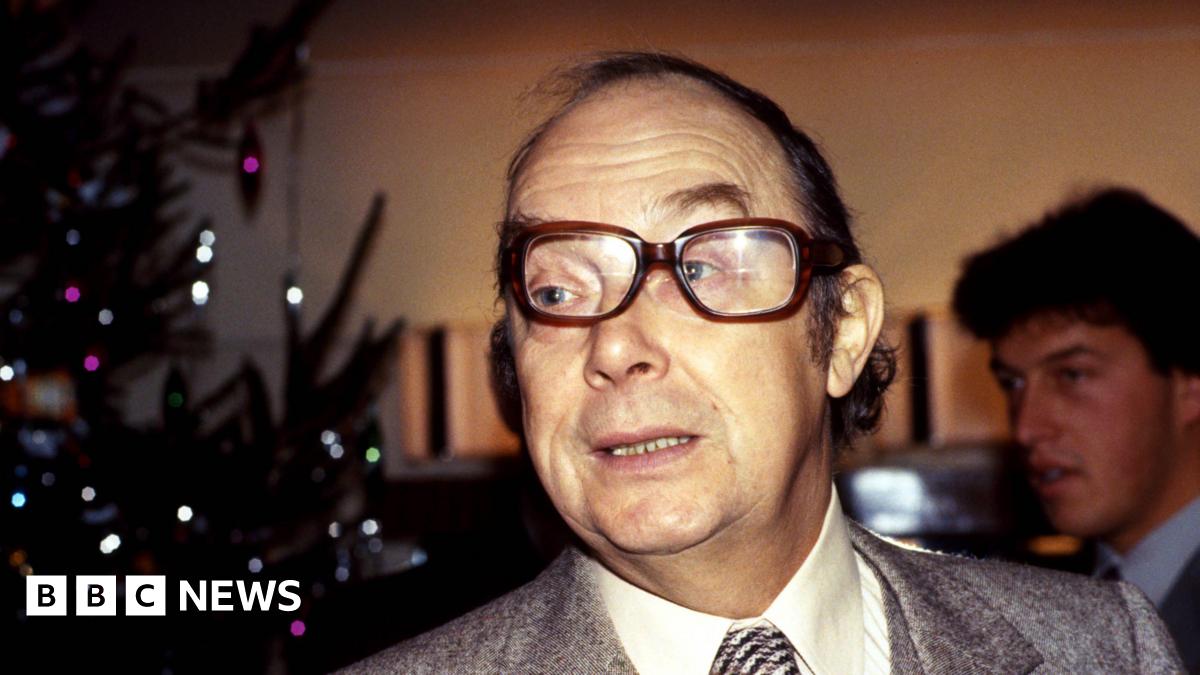
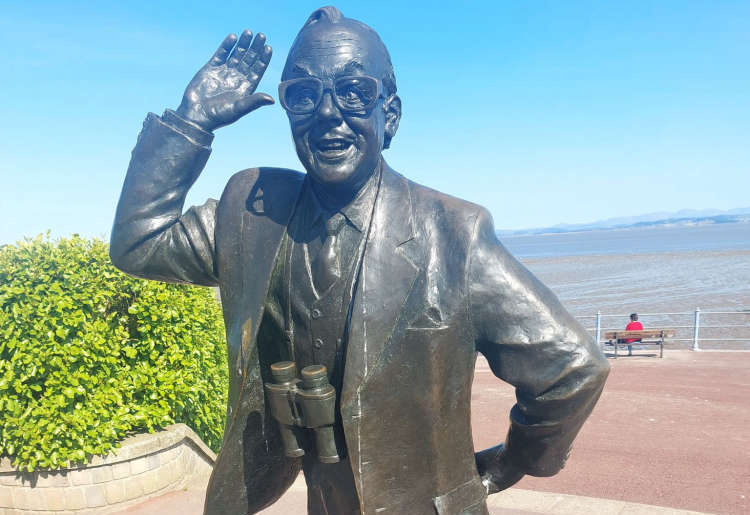
Events marking Eric Morecambe’s centenary are taking place across the UK, with Lancashire naturally at the heart of the celebrations. A major new mural dedicated to the comedian is due to be unveiled in Morecambe, the seaside town forever associated with his name and career.
The centenary programme stretches well beyond one tribute. Theatre tours, local exhibitions, comedy nights and community events are all planned throughout the year. One touring production, Eric and Ern, is bringing recreations of the legendary Morecambe and Wise routines to audiences in towns including Sale.
There is also renewed discussion about what made Morecambe stand apart from so many entertainers of his generation. Historians and cultural commentators point to his anarchic stage presence, his northern humour and the chemistry he shared with Ernie Wise. That partnership became one of the defining acts of post-war British television.

Here’s the thing. Morecambe’s appeal was never just about punchlines. The comedy often looked chaotic, even sloppy, but the timing underneath was incredibly precise. Viewers felt they were in on the joke with him. That mattered then, and it still matters now.
The famous 1977 Christmas special remains one of the biggest television moments in British history, attracting audiences estimated at more than 28 million viewers. To put that into perspective, modern primetime entertainment programmes rarely get close to a fifth of that audience.
You might be wondering why this centenary has generated such a strong response now. Part of it is simple nostalgia. But another part is the growing appetite for entertainment that feels communal again. Families watching the same programme together. Shared references. Shared laughter. That’s not nothing.
What People Are Saying
Fans, performers and broadcasters have all been paying tribute to Morecambe’s influence on British comedy.
He brought sunshine into people’s lives.
Writers reflecting on the centenary have argued that Morecambe represented a kind of northern irreverence that pushed against polished London entertainment culture. That edge gave the act authenticity.
The beloved British comedian with an anarchic northern spirit.
Tribute performers touring the country say audiences still react instinctively to the routines. Some theatre-goers know every line already. Others are seeing the material for the first time through parents and grandparents introducing them to classic sketches.
And yes, the old piano sketch still lands. Every single time.
How This Affects You
For audiences in Britain, the centenary is becoming more than a nostalgic media moment. Local councils and arts organisations are using the celebrations to draw tourism into seaside towns and regional theatres that continue to struggle with post-pandemic recovery.
That has a direct knock-on effect for hospitality businesses, independent venues and community arts groups. Morecambe itself is expected to benefit from increased visitor numbers tied to the anniversary events.
There’s also a wider cultural angle here. British television comedy has shifted dramatically over the past two decades, often becoming sharper, more cynical or more niche. Revisiting Morecambe and Wise reminds viewers of a style built around broad family appeal and shared national moments.
If you’re following the UK entertainment industry, this revival could influence future programming too. Broadcasters know nostalgia sells, especially when it carries emotional weight across generations.
A bit of old-school sunshine goes a long way.
Coming Up
More centenary events are expected throughout the year, including live performances, exhibitions and community celebrations tied to Eric Morecambe’s birthday milestone.
Audiences can also expect fresh documentaries, radio specials and retrospective television programming revisiting the comedian’s career and his enduring partnership with Ernie Wise.
Several venues have already encouraged visitors to check local listings and event schedules as additional appearances and tribute dates continue to be announced.
At a Glance
- Eric Morecambe’s 100th birthday is being marked across the UK.
- A new mural is being unveiled in Morecambe during the celebrations.
- Tribute tours and theatre productions are travelling nationwide.
- The 1977 Christmas special drew more than 28 million viewers.
- Local tourism and arts venues are expected to benefit from the events.
- Broadcasters are revisiting classic Morecambe and Wise material.
FAQ
Why is Eric Morecambe still so popular?
His comedy combined warmth, timing and chaos in a way that appealed to family audiences across generations.
What is happening for Eric Morecambe’s centenary?
The celebrations include murals, theatre tours, exhibitions, local events and broadcast tributes across the UK.
Who was Eric Morecambe’s comedy partner?
He performed with Ernie Wise as part of the iconic double act Morecambe and Wise.
Why do people still watch Morecambe and Wise sketches?
The routines remain widely shared online and are often introduced to younger audiences by parents and grandparents.
How does this affect British entertainment today?
The renewed interest highlights the commercial and cultural value of classic British comedy and nostalgia-driven programming.

Resources
Sources and references cited in this article.