
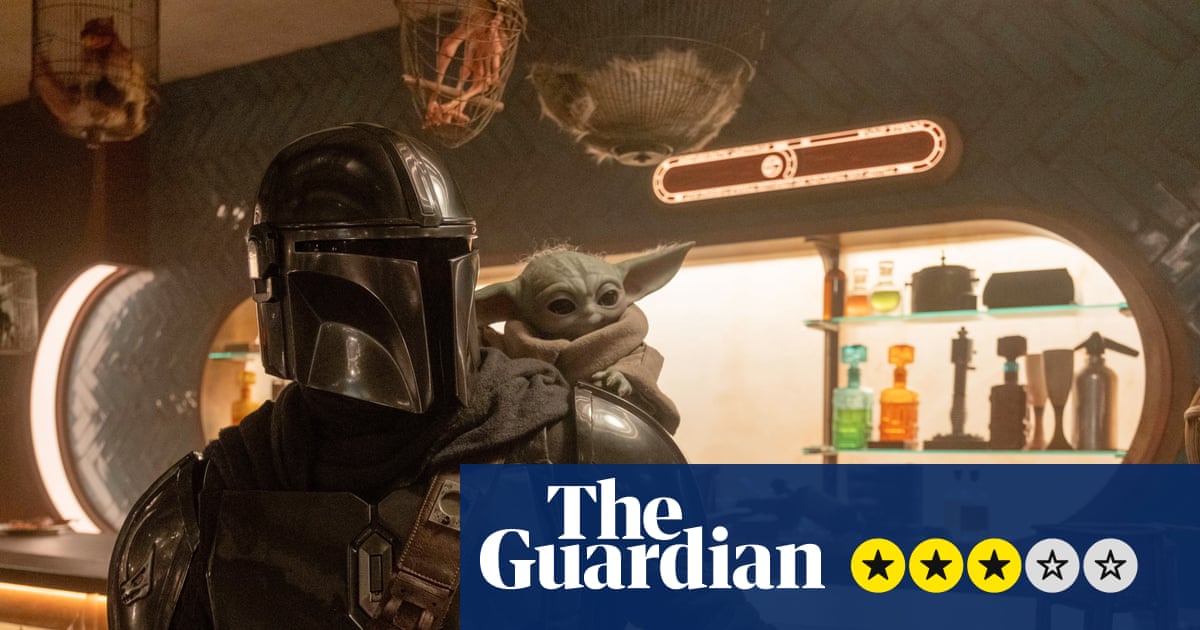
The lights dimmed, the familiar Star Wars fanfare kicked in, and within minutes audiences were back alongside a masked bounty hunter and a tiny green scene-stealer who somehow still dominates the internet. In cinemas across the UK this week, the force is strong with curiosity around The Mandalorian and Grogu, the first Star Wars film to hit the big screen in seven years.
Early reactions, though, are all over the map. Some reviewers are calling it a thrilling return to blockbuster Star Wars. Others think Lucasfilm is leaning too heavily on nostalgia and Disney+ momentum. Either way, Pedro Pascal and Grogu are back at the centre of one of entertainment’s loudest debates.
How Events Unfolded
Lucasfilm’s decision to move Din Djarin and Grogu from streaming to cinemas was never going to be a quiet one. The Disney+ series became one of the franchise’s few universally embraced hits after years of uneven films and fan frustration. Grogu, still affectionately called Baby Yoda by plenty of viewers, turned into a merchandising juggernaut almost overnight.
Now the pair are carrying the burden of restarting Star Wars on the big screen. Industry forecasts suggest the film could open around 80 million dollars globally, a respectable figure but one that will be watched closely given Disney’s enormous investment in the franchise.
Critics haven’t exactly reached a consensus. Some praised the film’s scale and lighter tone, saying it finally feels like a proper crowd-pleasing Star Wars adventure again. Others argued the story feels stretched from television into feature length, with complaints about fan service and repetitive action.
Meanwhile, Jon Favreau has openly admitted he was not entirely certain why this particular project became the franchise’s theatrical comeback. He suggested the film could help bring in younger viewers who know Star Wars mainly through streaming rather than classic cinema releases. If you’ve followed the franchise recently, that comment tells you quite a lot about Disney’s strategy.
The Fine Print
The bigger issue hanging over the film is trust. Star Wars has struggled to maintain a consistent direction since the sequel trilogy wrapped up. Several announced projects quietly disappeared, release dates shifted, and audiences started treating new announcements with caution rather than excitement.
That explains why this release feels unusually important. Disney is effectively testing whether streaming-era Star Wars characters can persuade fans to return to cinemas in large numbers. In Britain especially, where cinema attendance still has not fully rebounded after years of rising ticket prices and streaming competition, studios are desperate for reliable event films.

There is also the Pedro Pascal factor. The actor has become one of Hollywood’s safest bets after high-profile roles in The Last of Us and Gladiator II. His popularity gives Disney something Star Wars has occasionally lacked in recent years: a recognisable mainstream face audiences actively follow.
Still, not everyone is convinced. Some critics have argued the franchise is trapped in a cycle of revisiting familiar imagery rather than taking creative risks. One particularly harsh review even suggested Star Wars needs a complete reset before audiences truly reconnect with it.
The Response
There’s an opportunity to bring in a new audience.
Fan reactions online have mirrored the critics. Social feeds are packed with praise for the chemistry between Din Djarin and Grogu, but there is also visible fatigue from viewers wanting fresh stories instead of another nostalgia-heavy adventure.
Some industry analysts believe the divided reception may not matter as much as it once did. Modern blockbuster franchises increasingly survive on loyal fan communities, streaming revenue and merchandise sales rather than universal acclaim. Grogu alone remains one of Disney’s most marketable characters.
There is also a practical point here for UK audiences. Family-friendly franchises still dominate the British box office, especially during school holidays. If parents decide Grogu is worth the popcorn bill, Disney may not care whether every critic was convinced.
It’s a thrilling adventure with genuine crowd-pleasing moments.
Putting It in Perspective
What happens next could shape the next decade of Star Wars films. A strong performance would likely accelerate more theatrical spin-offs tied to Disney+ characters. A weak one might push Lucasfilm back toward streaming-first storytelling.
That uncertainty matters because Star Wars used to dominate cinema culture almost automatically. These days, audiences are choosier. Superhero fatigue, rising ticket costs and endless streaming options have changed the maths completely.

For British cinemas, though, another major franchise event is welcome news. Operators have been searching for films capable of filling premium IMAX and Dolby screens consistently. Bob’s your uncle, Star Wars still has enough cultural weight to get people talking even when opinions clash.
You might be wondering whether divided reviews hurt blockbuster openings anymore. History suggests not always. Recent franchise films have shown audiences often decide based on attachment to characters rather than critic scores.
Looking Ahead
Lucasfilm is expected to monitor box office performance closely over the next fortnight before locking in wider theatrical plans. More Star Wars projects are already in development, but executives will be watching audience retention and repeat viewings carefully.
For now, Pedro Pascal and Grogu have achieved one thing beyond doubt: they have dragged Star Wars back into the middle of the cultural conversation. Again.
FAQ
Why is The Mandalorian and Grogu important for Star Wars?
It is the first Star Wars film released in cinemas in seven years. Disney is using it to test whether streaming-era characters can successfully lead theatrical releases.
Who plays the Mandalorian in the new film?
Pedro Pascal returns as Din Djarin, the masked bounty hunter introduced in the Disney+ series. His growing popularity has become a major selling point for the franchise.
Are critics liking The Mandalorian and Grogu?
Reviews have been sharply divided. Some critics praised the action and emotional moments, while others argued the film relies too heavily on nostalgia and television-style storytelling.
What does Grogu mean for Disney financially?
Grogu remains one of Disney’s strongest merchandising characters. Toys, clothing and collectibles linked to the character continue generating huge commercial value worldwide.
Could this film affect future Star Wars movies?
Yes. A strong box office run could encourage Lucasfilm to expand theatrical Star Wars projects again. A weaker result may shift focus back toward streaming content.
How are UK cinemas expected to benefit?
Major franchise releases still drive premium ticket sales in Britain. Cinema chains are hoping the film attracts families and repeat viewers during a competitive summer season.