
British viewers have spent the past 24 hours talking about one thing: Richard Madeley walking into one of the world’s most feared prisons. The Channel 5 documentary, filmed inside El Salvador’s vast CECOT mega-prison, landed at a moment when public debate around crime, punishment and prison conditions is already running hot in the UK. And for many watching at home, the scenes felt less like television and more like a warning about where extreme anti-gang policies can lead.
Madeley’s programme offered rare access to a facility built under President Nayib Bukele’s crackdown on organised crime. Thousands of inmates, many accused of gang involvement, are held in tightly controlled conditions with little prospect of release. Some moments were so tense that security staff reportedly ordered filming to stop immediately.

Setting the Scene
The prison at the centre of the programme is known as CECOT, short for the Terrorism Confinement Centre. Opened by El Salvador’s government during a sweeping anti-gang campaign, it has become the symbol of President Bukele’s hardline approach to violent crime.
Supporters argue the crackdown transformed daily life in El Salvador. Murder rates have fallen dramatically in recent years, and many residents say neighbourhoods once controlled by gangs are now safer. Critics, though, claim the government has traded security for civil liberties, with reports of mass arrests, restricted legal access and overcrowded detention systems.
If you’re following British politics, you might already see why this documentary struck a nerve. UK debates around policing, prison overcrowding and tougher sentencing have intensified over the past year. Some viewers praised the uncompromising approach. Others found the scenes deeply disturbing. It’s the sort of programme that gets people arguing over the kettle the next morning.
Here’s What Happened
Madeley entered the prison alongside heavily armed guards and encountered rows of tattooed inmates packed into large communal cells. According to the documentary, prisoners spend most of their time confined indoors under constant surveillance.
One particularly tense sequence showed prison officials intervening while filming was underway. Reports surrounding the broadcast said security staff ordered cameras to stop rolling “right now”, adding to the atmosphere of unpredictability that ran through the programme.

The Channel 5 special also highlighted the sheer scale of the prison operation. Some reports connected to the broadcast referenced more than 3,000 high-risk inmates being housed in sections visited during filming. For British audiences used to discussions about prison overcrowding at home, those figures were difficult to ignore.
Meanwhile, the programme did not entirely avoid the human side of the story. A separate documentary project linked to El Salvador’s prison system followed families searching for missing relatives detained during the crackdown. That wider context matters because the prison debate in El Salvador is not simply about crime statistics. It is also about transparency, due process and whether emergency powers can become permanent.
Viewers outside Britain can also find streaming information for the documentary online.
Reactions & Responses
Television critics described the documentary as unsettling but compelling. Some praised Madeley for gaining access to a place few international broadcasters have entered. Others questioned whether the programme fully challenged the political messaging surrounding the prison.
All will die here.
Social media reaction in the UK split almost instantly. One camp viewed the prison as proof that aggressive anti-gang tactics can work. Another argued the scenes resembled authoritarian punishment rather than justice.
What’s interesting is how strongly British viewers connected the programme to domestic concerns. Prison capacity in England and Wales remains under pressure, and discussions around sentencing reform have become increasingly political ahead of upcoming debates in Westminster. You can almost hear the pub arguments already.
The Bigger Picture
El Salvador’s security model has become internationally controversial because it appears effective on one measure: violence. The government says homicide rates have plunged since the crackdown began. Yet human-rights organisations continue to warn about wrongful detentions and limited oversight.
For viewers in GB, the documentary lands during wider global discussions about balancing public safety with individual freedoms. Countries facing rising concerns over organised crime often look abroad for examples. But importing policies is rarely straightforward. The social conditions, legal systems and prison capacities differ enormously.
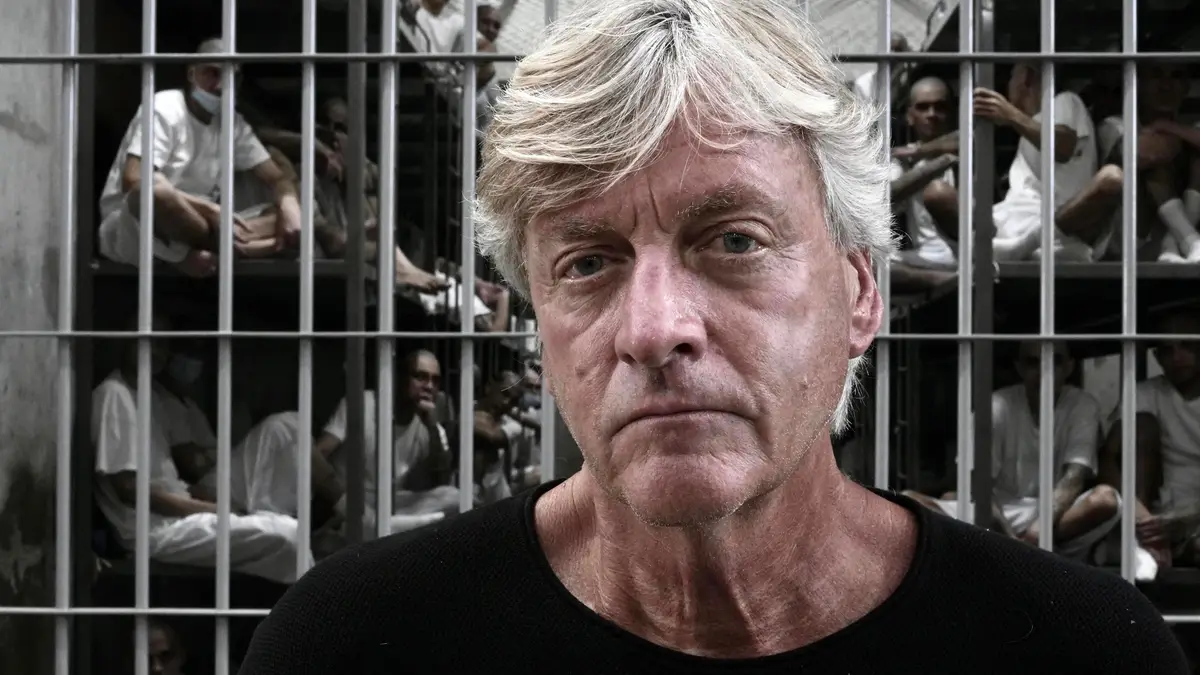
There is also the television angle. Channel 5 has increasingly leaned into hard-hitting factual programming that mixes celebrity presenters with difficult subjects. In a crowded streaming market, documentaries capable of generating next-day conversation remain television gold.
The Road Ahead
The programme is likely to continue attracting debate well beyond its initial broadcast. Clips from the documentary are already circulating widely online, particularly among viewers discussing crime policy and prison reform.
Meanwhile, attention around El Salvador’s prison system is unlikely to fade soon. International scrutiny of Bukele’s security policies continues to grow, especially as other governments publicly discuss tougher responses to organised crime.
FAQ
What is the prison featured in Richard Madeley’s documentary?
The documentary focuses on CECOT, El Salvador’s massive maximum-security prison built during the government’s anti-gang crackdown.
Why is El Salvador’s prison system controversial?
Supporters say violent crime has fallen sharply, while critics argue civil liberties and legal protections have been weakened.
Where was Richard Madeley’s prison documentary shown?
The programme aired on Channel 5 in the UK.
How many inmates are held in the prison?
The facility was designed to hold tens of thousands of inmates, making it one of the largest prisons in the world.
Why are British viewers talking about the documentary?
The programme connects to ongoing UK debates about crime, sentencing and prison overcrowding, making the subject feel close to home.