
The public conversation in Great Britain has recently focused on the conclusion of the inquest into the death of Robin Windsor, the former Strictly Come Dancing professional. The proceedings have shed light on the profound challenges faced by the dancer following his departure from the high-profile BBC show, sparking a wider discussion about mental health support for public figures and the intense pressure of the entertainment industry. This narrative moves beyond the tragedy itself, examining how professional rejection and personal vulnerability can intersect in the public eye.
Main Topic Overview
Robin Windsor was a beloved figure on British television, known for his vibrant energy and technical skill on Strictly Come Dancing between 2010 and 2013. Following his death in February 2024, an inquest held at Southwark Coroner’s Court has recently concluded with a jury finding that he took his own life. The testimony presented during the hearing revealed a man who struggled significantly with his mental health after being dropped from the show due to a back injury. The case has highlighted the emotional toll of professional displacement and the necessity of robust support systems for performers whose identities are often deeply tied to their roles on screen.
News Coverage
Strictly star Robin Windsor 'took own life after mental health deterioration'

The BBC reports on the final jury verdict, confirming that Robin Windsor died by suicide in a London hotel room. The inquest detailed a significant decline in Windsor’s mental state, noting that he had been struggling for a decade following his exit from Strictly Come Dancing. This report emphasizes the long-term nature of his struggles, suggesting that the initial professional setback in 2014 served as a catalyst for a sustained period of depression. The coverage underscores the gravity of the jury's findings and the official conclusion of the legal inquiry into his passing.
Robin Windsor: Strictly Come Dancing star found dead in hotel room left note saying being dropped from show 'destroyed me'

This coverage provides a poignant look at the evidence found at the scene, specifically a note left by Windsor that detailed the impact of his career ending prematurely. The note explicitly stated that being removed from the Strictly lineup "destroyed" him, offering a direct link between his professional life and his mental health crisis. Sky News highlights the testimony of those close to him, illustrating how the loss of his dream job created a vacuum that he found impossible to fill, despite subsequent professional engagements in theatre and cruise ships.
Robin Windsor: Dancer slipped into depression after leaving Strictly, Lisa Riley tells inquest

Testimony from Windsor's former dance partner and close friend, Lisa Riley, paints a vivid picture of the personal aftermath of his departure from the show. Riley described a marked change in Windsor's personality, noting that the "vibrancy" he was known for began to fade as he battled clinical depression. Her account during the inquest serves to humanize the professional data, showing the reality of living with a mental health condition while trying to maintain a public-facing career. This perspective connects the professional loss to a deep, personal sense of grief and identity crisis.
Former Strictly star who took his own life, Robin Windsor, was 'vulnerable to rejection'
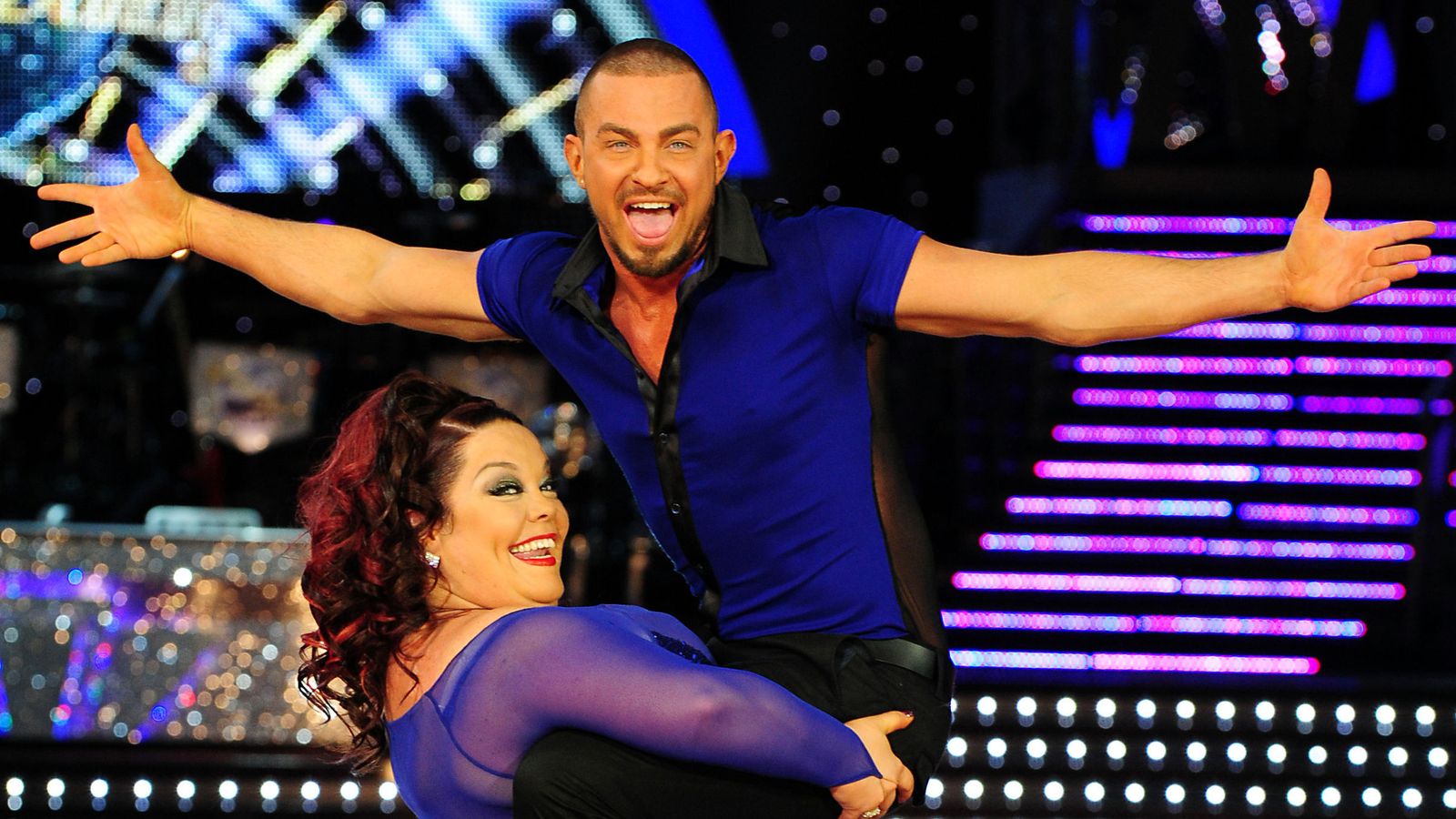
Expert testimony and statements from those who knew Windsor well highlighted his specific vulnerability to professional rejection. The inquest explored the idea that for Windsor, the show was not just a job but a defining part of his existence. This report delves into the psychological aspect of the trend, explaining that his history of mental health struggles made the blow of being "axed" particularly devastating. It frames the situation as a tragic intersection of a pre-existing condition and a high-stress career transition, suggesting that his sensitivity was both his strength as a performer and a risk factor in his personal life.
Summary / Insights
The conclusion of Robin Windsor's inquest has brought several critical themes to the forefront of British public life. Primary among these is the "duty of care" owed by major broadcasters to participants in reality and competition shows, particularly when they transition out of the limelight. The evidence suggests a clear link between career displacement and severe mental health deterioration, prompting calls for more comprehensive support frameworks. Furthermore, the openness of Windsor's family and friends during the inquest has contributed to a more nuanced public understanding of depression—showing that it can persist for years, hidden behind a successful exterior, and can be triggered by events that might seem manageable to those without such vulnerabilities.
TL;DR
- An inquest jury found that Robin Windsor took his own life following a long battle with depression.
- Evidence revealed Windsor felt "destroyed" after being dropped from Strictly Come Dancing in 2014.
- Friends and family highlighted his vulnerability to rejection and the lack of adequate support after his TV exit.
- The case has sparked renewed debate over the mental health responsibilities of major media organizations.