
The synths squealed, the LEDs flashed, and somewhere between a homemade Furby keyboard and a wall of noise, millions of British viewers realised the night was heading south. By the time the Eurovision scoreboard lit up, the UK's 2026 entry Look Mum No Computer had become less a quirky outsider story and more a national talking point.
Britain finished near the bottom of the Eurovision table once again, extending a bruising run that has turned the contest into equal parts entertainment and annual existential crisis for UK fans. Yet the reaction this year wasn't just about points. It was about whether the country still understands how to compete in modern Eurovision at all.
For anyone searching where the UK came in Eurovision 2025, the bigger story now is how quickly disappointment has rolled into another year of soul-searching.

How Events Unfolded
Sam Battle, the engineer and musician better known as Look Mum No Computer, arrived at Eurovision with one of the strangest entries Britain has sent in years. His performance mixed DIY electronics, experimental synth music and chaotic stage visuals that split opinion almost immediately.
In the run-up to the final, there were signs things could go badly. Betting markets drifted away from the UK entry just hours before the live show, while online reactions ranged from admiration for the ambition to outright disbelief. One reviewer even branded the performance “a crime against humanity” — harsh wording that spread rapidly across social media.
Meanwhile, the BBC had leaned heavily into Battle's backstory. Viewers were shown how the broadcaster tested whether he could cope with the intense pressure Eurovision brings, including stress assessments designed to prepare contestants for the scale of scrutiny that comes with representing the UK.
And here's the thing: the act wasn't lazy or cynical. If anything, it was the opposite. Britain gambled on originality instead of safe pop formula. The problem was that Eurovision audiences across Europe often reward emotional clarity and memorable hooks over pure experimentation.
Under the Surface
The UK's Eurovision problem did not begin this year. British entries have struggled for more than a decade, with only occasional bright spots breaking the pattern. Sam Ryder's second-place finish in 2022 briefly suggested the country had cracked the code again, but the momentum faded quickly afterwards.
Part of the challenge is expectation. Eurovision in Britain still carries a strange cultural baggage — half serious music competition, half ironic spectacle. Other countries often approach it like a major national project. The UK sometimes treats it like Saturday night chaos and hopes charisma will do the rest.
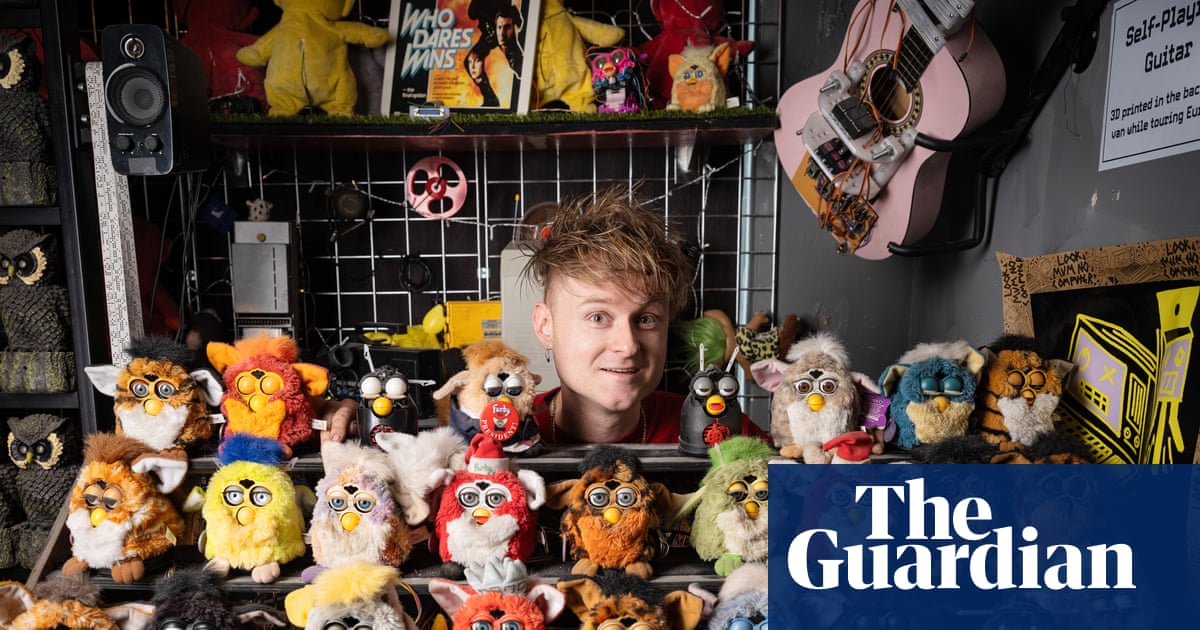
Battle himself came from an entirely different world. His online fame grew through building bizarre electronic instruments and running a museum packed with experimental machines. That outsider status won admiration from fans who were tired of polished-but-forgettable entries.
Fair play where it's due, many viewers appreciated the risk. But Eurovision can be brutally unforgiving when an act lands awkwardly on television. What feels inventive in a niche music venue can look chaotic to a family audience watching with takeaway pizza on a Saturday night.
Voices & Opinions
The reaction inside Britain was deeply divided. Some commentators argued the country should stop chasing mainstream pop trends and embrace unusual acts more often. Others insisted this year's result proved the opposite.
The BBC wanted to know if I could handle the pressure.
Supporters praised Battle for bringing genuine personality to the contest. Critics said the performance lacked structure and emotional connection. Online, clips of the act spread rapidly, especially among younger viewers who found the sheer weirdness oddly refreshing.
Political columnist reactions added another layer. One piece joked that the UK's Eurovision collapse somehow made Prime Minister Keir Starmer appear competent by comparison — classic British humour, bleak and self-deprecating at the same time.
If you're following Eurovision closely, you might be wondering whether the public vote system hurts the UK more than others. The reality is more complicated. Countries that consistently do well usually build entries designed for emotional immediacy. That's difficult to fake.
Putting It in Perspective
For British audiences, Eurovision still matters far more than people pretend. Viewing figures remain huge, social feeds explode every May, and local pride becomes oddly intense for one night only.
The result also affects the BBC's future strategy. After investing heavily in artist development and staging in recent years, another poor finish increases pressure to rethink how acts are selected.

Meanwhile, Battle's career may actually benefit from the chaos. Eurovision has a habit of turning unconventional performers into cult figures. Every cloud has a silver lining, as they say.
And while the UK once again struggled near the bottom of the rankings, the contest itself remains enormous business. Eurovision now reaches audiences of more than 160 million viewers worldwide, meaning even a disastrous result still delivers massive exposure.
Looking Ahead
The BBC is expected to review its Eurovision approach before next year's contest, especially around song selection and staging decisions. Questions will continue over whether Britain should lean harder into mainstream chart-friendly pop or double down on distinctive acts that cut through online noise.
As for Sam Battle, he has already hinted he plans to return to making experimental music and online content after the competition frenzy fades.
One thing is certain: the UK conversation around Eurovision is nowhere near over. Every year starts with optimism. Every year ends with debate. And somehow, millions keep coming back for more.
FAQ
Where did the UK come in Eurovision 2025?
The UK finished near the bottom of the Eurovision leaderboard, continuing a difficult recent run in the contest.
Who represented the UK at Eurovision?
Experimental musician and inventor Sam Battle, known online as Look Mum No Computer, represented the UK.
Why was the UK performance controversial?
The act divided viewers because of its chaotic visuals, experimental sound and unconventional staging choices.
Did the UK get many public votes?
The UK struggled to gain strong support from either juries or televoters during the final.
What genre was the UK Eurovision song?
The performance blended electronic music, synth experimentation and DIY performance art elements.
Could the UK's Eurovision strategy change?
Yes. Another disappointing result is likely to increase pressure on the BBC to rethink artist and song selection.