
A striking 91% audience score on Rotten Tomatoes has cemented Netflix's latest original release as an unmissable hit for romantic comedy fans. Released on Friday 19 June 2026, the film has rapidly scaled the streaming platform's global charts, dislodging the true-crime thriller Maternal Instinct from the top spot. While some critics have questioned the underlying ethics of its central premise, audiences have responded with an overwhelming wave of emotional praise, turning the film into an immediate social media talking point.

The Bottom Line
- The film secured a 91% audience approval rating alongside an 86% score from critics on Rotten Tomatoes, though some outlets like The Guardian awarded it a solitary star.
- Written and directed by Leah McKendrick, the project is a rare completely original screenplay in a genre currently dominated by book adaptations.
- The narrative follows Jill (Zoey Deutch), who leaves voicemails for her deceased sister Isabelle, only for the reassigned phone number to be answered by a stranger named Wes (Nick Robinson).
- Viewers in GB and globally have flooded social media platforms with reports of intense emotional reactions, describing themselves as "sobbing messes" after the two-hour runtime.
Breaking It Down
The journey of Voicemails for Isabelle to the screen has been a prolonged one, with the script originally conceptualised in the 2010s and initially linked with actress Hailee Steinfeld before being updated for modern audiences. Under the final direction of Leah McKendrick, the story introduces Jill, an aspiring pastry chef processing severe grief after her younger sister Isabelle (Ciara Bravo) succumbs to a lifelong battle with cystic fibrosis. To cope with the trauma, Jill continues to dial her sister's old mobile number, treating the voicemail inbox as a private sanctuary where she can share her daily life and avoid saying a final goodbye.
The plot shifts into traditional genre territory when the phone company reassigns the number to Wes, a San Francisco real estate executive who is exhausted by his own dead-end relationship prospects. Instead of flagging the error, Wes listens to the deeply personal messages, becomes smitten with Jill's personality, and uses the intimate details gathered from her calls to track her down in San Francisco. He inserts himself into her life during an encounter on a public bench, engineered using his insider knowledge of her favourite eateries, and eventually orchestrates a sightseeing bus tour sing-along to win her affection while concealing how they actually met.
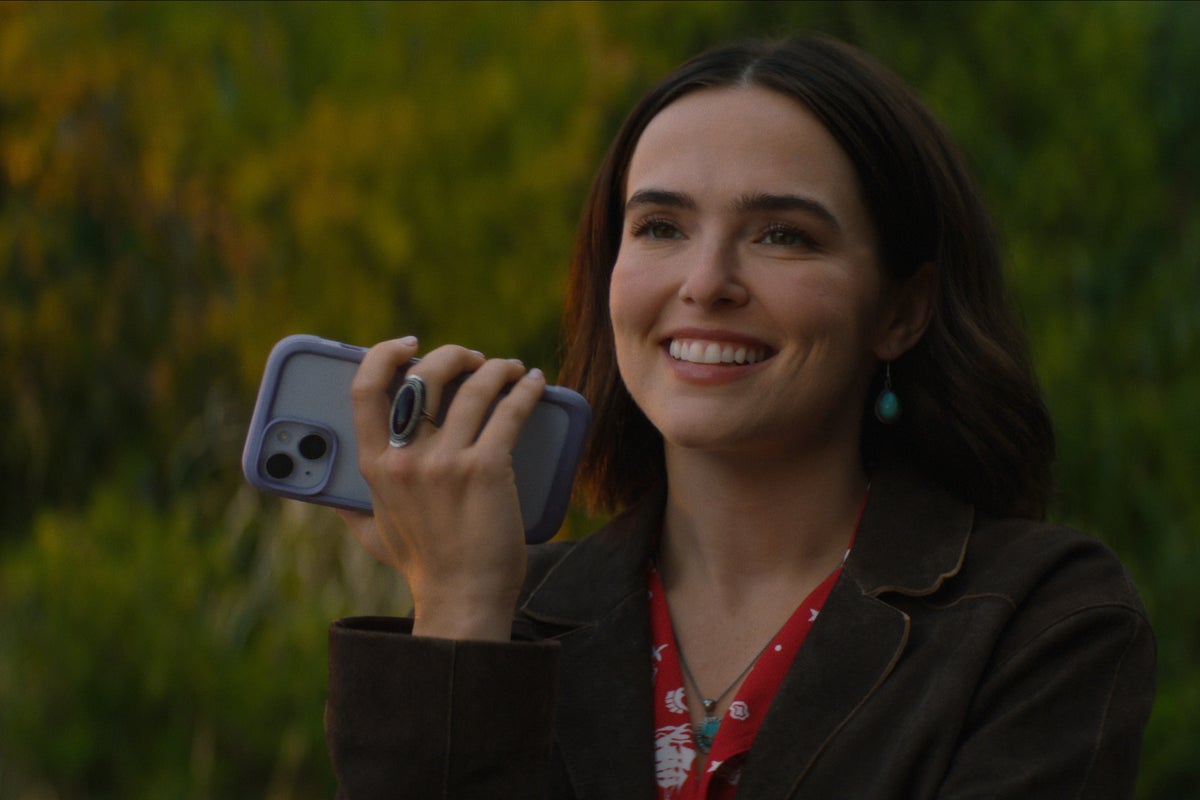
Parallel to the romantic courtship, the film builds out Jill's professional struggles during a demanding culinary internship run by the severe Chef Bastien (Nick Offerman). She must also contend with Arthur (Lukas Gage), an arrogant classroom rival who mistakenly believes he is her ideal match. The inevitable narrative friction arrives when Wes's deception is exposed, forcing a temporary fallout before a grand reconciliation sequence outside Jill's food truck, culminating in a heavily discussed musical finale set to Robyn's track "Dancing on My Own".
Why This Matters
The immediate success of the film highlights a sustained demand for traditional romantic comedies that evoke the structural comfort of classic 1990s cinema. McKendrick's script openly acknowledges its stylistic lineage, drawing direct comparisons within the dialogue to Nora Ephron's 1998 hit You've Got Mail, which itself modernized the letter-writing premise of 1940's The Shop Around the Corner for the email era. By utilizing mobile voicemails as the core communication device, the production attempts to bridge old-fashioned melodrama with the digital realities of modern relationships.
However, the film has exposed a sharp divide between general viewers and formal reviewers regarding the boundaries of the "meet-cute" trope. Critics have pointed out that Wes's behaviour borders on a stalker-thriller premise, comparing it unfavourably to the deceptive dynamics seen in 2023's Love Again. Yet for mainstream streaming audiences, the onscreen chemistry between Deutch and Robinson has successfully overridden these narrative anxieties, offering a highly effective emotional release that has resonated particularly well with viewers seeking a comforting, high-pathos escape.
What Comes Next
The film's performance is expected to influence Netflix's commissioning strategy for original screenplays moving forward, challenging the prevailing reliance on established literary franchises. For viewers who have already completed the film and are seeking similar content, internal platform data points toward Deutch's previous 2018 collaboration with streaming producers, Set It Up, which holds an even higher 92% critic rating. Director Leah McKendrick has also expressed relief regarding the audience's reaction to the film's final sequence, which included a subtle, easily missed cameo from Ciara Bravo designed to suggest a glimpse into another realm rather than an unsettling supernatural twist.
I could totally ruin my movie in this last moment, or it could be so epic. We were calibrating that 'till the end to make sure that you could, in fact, see her, but also that it didn't feel spoon-feedy and creepy and weird.
FAQ
Where can I watch Voicemails for Isabelle in the UK?
The film is currently available for worldwide streaming exclusively on Netflix. It was officially added to the platform's library on Friday 19 June 2026.Who plays the main characters in Voicemails for Isabelle?
The romantic leads Jill and Wes are portrayed by Zoey Deutch and Nick Robinson. The supporting cast includes Ciara Bravo as Isabelle, Nick Offerman as Chef Bastien, and Lukas Gage as Arthur.Is Voicemails for Isabelle based on a book?
No, the movie is not an adaptation of a novel. It is an entirely original screenplay written and directed by Leah McKendrick.
What song plays during the final dance scene?
The characters dance to "Dancing on My Own" by Robyn. The track is established earlier in the narrative as the personal anthem shared between Jill and her late sister.