
Investigative journalist Roger Cook died peacefully on Saturday after a short illness, his family confirmed on Monday, with tributes led by ITV, the broadcaster behind The Cook Report. He was 83, and for many British viewers his name still means the doorstep interview: direct, uncomfortable, and often risky.
His death closes the chapter on a five-decade career that moved from BBC Radio 4 to one of ITV’s best-known current affairs programmes. The immediate response has centred not just on his awards, but on the practical effect of his reporting: police investigations, convictions, legal change and a tougher style of broadcast accountability.
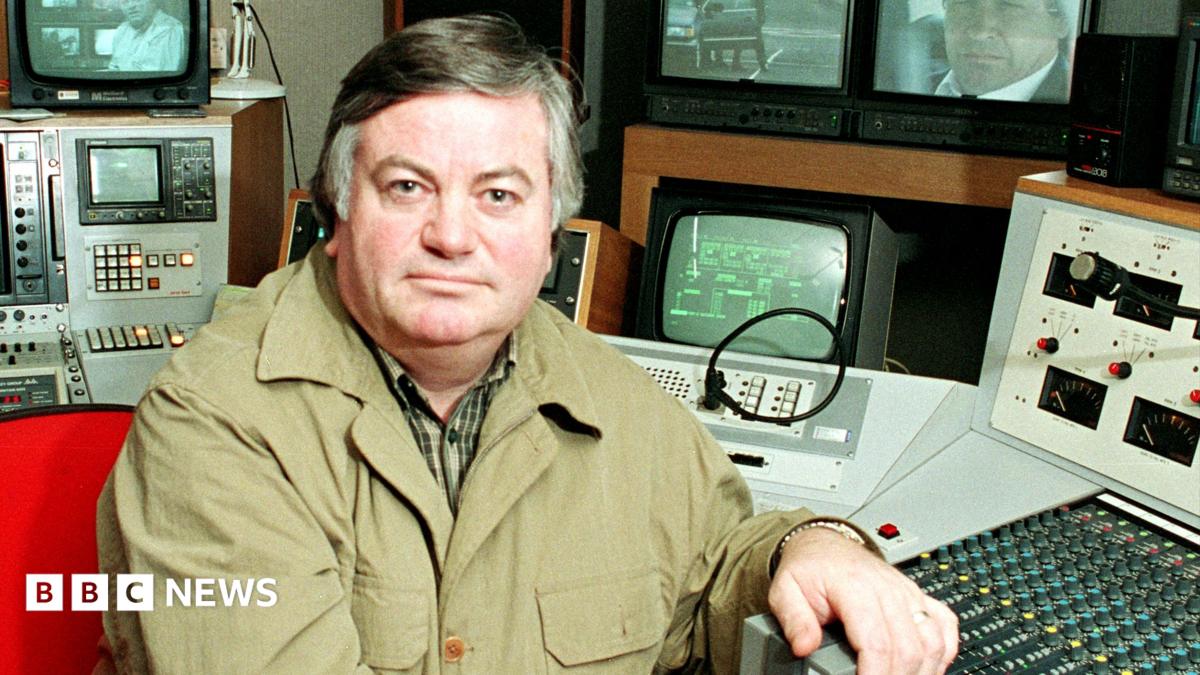
The Full Story
Cook’s family said he died after a short illness, describing him as both an award-winning journalist and a devoted husband and father. ITV said his approach made him “one of broadcasting’s most trusted and respected figures”, a tribute that reflects how closely Cook became associated with the idea of television journalism confronting alleged wrongdoing face to face.
Born in New Zealand and raised in Australia, Cook began his broadcasting career before moving to the UK in 1968. His British career took him through BBC Radio 4 programmes including The World At One, PM, The World This Weekend and Checkpoint, the investigative radio show he created in 1973. That radio work became the testing ground for a style later pushed onto television.

In 1985, Cook joined ITV. Two years later, The Cook Report launched and ran until 1999, across 16 series and more than 120 episodes. The programme pursued criminals, con-men and corrupt officials, with investigations covering child abuse, protection rackets in Northern Ireland, baby trading in Brazil, the illicit ivory trade, illegal immigration, war criminals in Bosnia and the Russian black market in weapons-grade plutonium.
The danger was not theatrical. Cook was injured repeatedly while making programmes. One 1981 doorstep left him with three broken ribs after he was attacked during an investigation; other accounts describe beatings, threats and hospital visits. The appeal for viewers was obvious: here was a reporter putting himself between alleged wrongdoing and the people harmed by it, even when the encounter turned ugly.
The Main Players
Roger Cook was the central figure: a New Zealand-born, Australia-raised broadcaster who built his reputation in Britain through radio and television investigations. His career joined old-school persistence with a TV format that made accountability visible to viewers at home.
ITV broadcast The Cook Report and led the public tributes. The broadcaster said Cook “worked tirelessly to expose criminal wrongdoing and injustice, helping to drive important and lasting changes in the law”. That matters because ITV was not simply remembering a presenter; it was acknowledging a programme whose investigations could lead beyond television and into courtrooms, policing and regulation.
Cook’s family confirmed his death and asked for privacy. Their statement placed his public career alongside his private life, saying: “Alongside a distinguished and award winning career in journalism, Roger was first and foremost a beloved husband and father.”
- Doorstep interview
- A confrontational reporting technique where a journalist approaches a person directly, often outside a home, office or public place, to seek answers on camera or microphone.
- Undercover sting
- An investigation in which journalists gather evidence covertly, often to expose suspected criminal or unethical behaviour.
- Current affairs programme
- A broadcast format focused on public issues, investigations and events beyond daily headline reporting.
Key Statistics
83: Cook’s age at the time of his death. 1968: the year he moved to the UK. 1973: the year he created Checkpoint for BBC Radio 4. 1987 to 1999: the run of The Cook Report on ITV.
The scale of the audience explains why his work had such reach. At its peak, The Cook Report drew up to 12 million viewers, while other accounts place its audience at up to 10 million. Either figure points to a current affairs programme operating in the mainstream rather than the margins, which meant allegations, victims and evidence were put before a mass British audience.
Cook won a Bafta special award in 1997 for 25 years of outstanding investigative reporting. ITVX also reported that the programme won 11 national and international awards, showing that Cook’s style was recognised inside the industry as well as by viewers.
What This Means
Cook’s legacy is complicated because his method was deliberately uncomfortable. He did not just report allegations from a studio; he walked up to people accused of wrongdoing and demanded a response. That made powerful television, but it also raised the stakes for accuracy, fairness and personal safety.
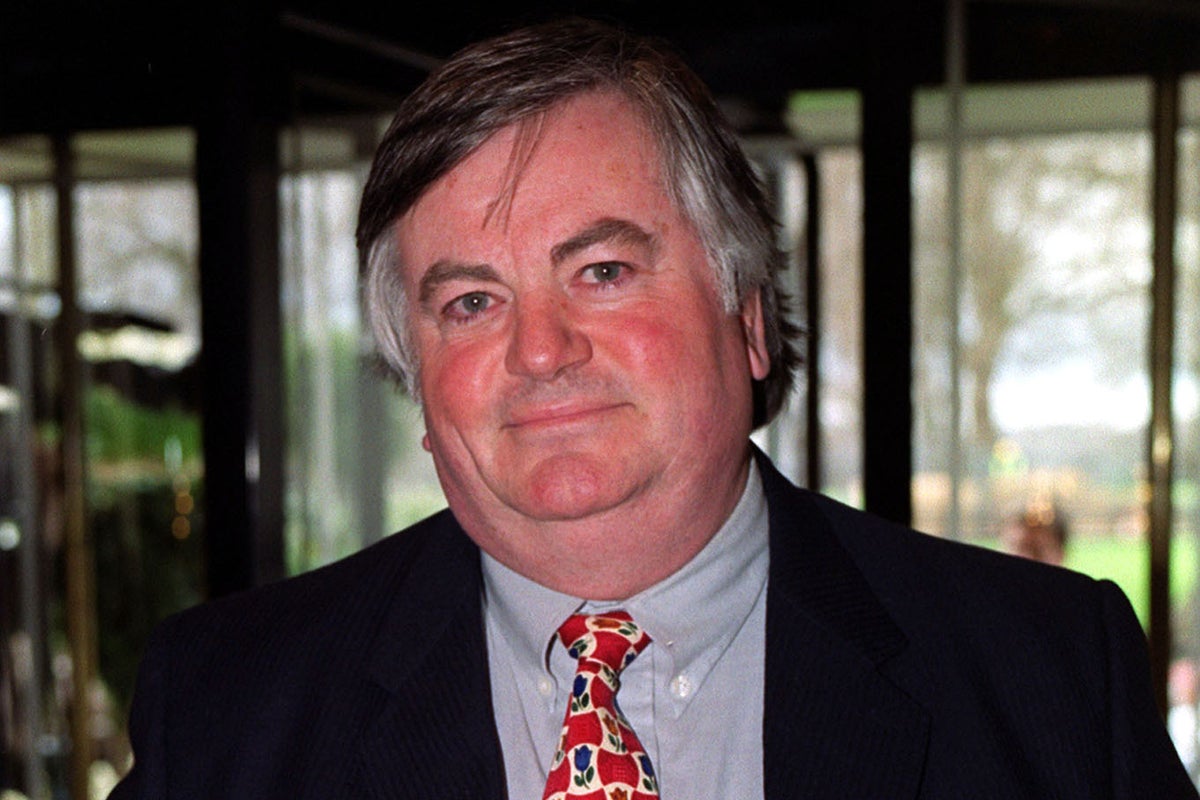
For British journalism, his career helped normalise the idea that broadcast reporters could be investigators, not just presenters. His programmes exposed wrongdoing in areas that were difficult, dangerous and often international, from protection rackets to baby trading and weapons-grade plutonium. That breadth made his work feel less like celebrity television and more like a public service with a very sharp edge.
There was also a cultural footprint. Cook’s style was parodied by comics including Reeves and Mortimer and Sir Stephen Fry, a sign that he had become instantly recognisable to viewers. Yet behind the beige anorak image was a model of reporting that influenced later documentary and consumer-investigation formats across UK television.
What to Expect
Cook’s family has asked for privacy following his death. Public tributes from broadcasters and former colleagues are expected to continue, particularly from those connected to ITV, BBC Radio 4 and the wider current affairs world he helped shape.
Archive clips of The Cook Report are also likely to be revisited as audiences reassess how his direct style changed television reporting. The confirmed facts so far are his death at 83, the short illness described by his family, and the industry tributes recognising his influence.
FAQ
Who was Roger Cook?
Roger Cook was an investigative journalist and broadcaster best known for ITV’s The Cook Report, which ran from 1987 to 1999.
How old was Roger Cook when he died?
Roger Cook died aged 83 after a short illness, according to his family’s statement.
What was The Cook Report known for?
The Cook Report was known for undercover investigations and doorstep interviews exposing criminals, con-men, corrupt officials and wider wrongdoing.
What awards did Roger Cook win?
Cook received a Bafta special award in 1997 for 25 years of outstanding investigative reporting.
Why is Roger Cook’s doorstep style remembered?
His doorstep interviews brought alleged wrongdoers face to face with victims’ claims on camera, making accountability a visible part of British current affairs television.