
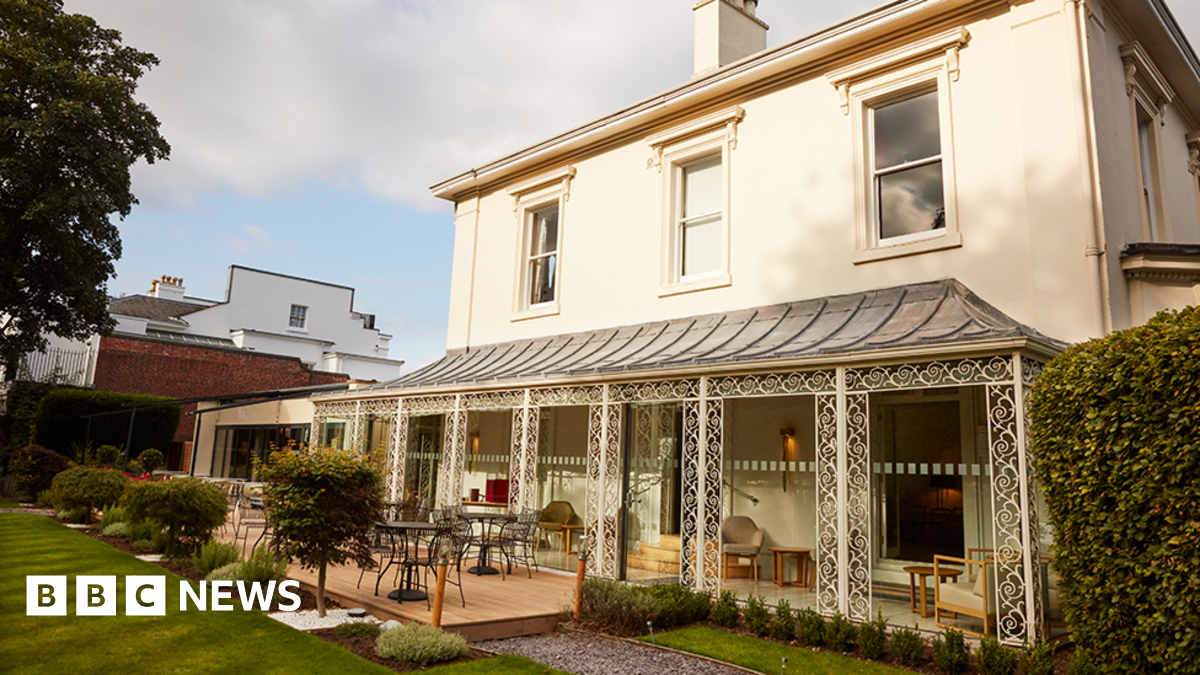
For decades, the quiet streets of Edgbaston have drawn diners celebrating anniversaries, business deals and life milestones around white tablecloths and carefully crafted tasting menus. Now, one of Birmingham's best-known fine dining institutions is preparing to switch off the lights for the final time.
Simpsons Restaurant, the Michelin-starred venue that helped put Birmingham on the UK's culinary map, has announced it will close after 32 years. The decision marks the end of an era for a restaurant that became synonymous with the city's rise as a serious food destination.
How Events Unfolded
The closure announcement came as a surprise to many regular customers and hospitality professionals. Simpsons has held a Michelin star for years and built a reputation that extended well beyond the West Midlands.
Owner Andreas Antona confirmed the restaurant will close after a remarkable 32-year run. During that period, it became one of the most recognisable names in British fine dining and helped develop talent that went on to influence kitchens across the country.
Reaction was swift. Diners described the decision as a major loss for Birmingham, while hospitality figures pointed to the restaurant's role in shaping the city's modern culinary identity.
For many residents, Simpsons was more than a restaurant. It was a destination for celebrations and special occasions, earning loyalty across generations of customers.
Digging Deeper
Birmingham's food scene has transformed dramatically since the 1990s. Once overshadowed by London and a handful of other regional centres, the city steadily built a reputation for ambitious independent restaurants and award-winning chefs.

Simpsons played a central role in that transformation. Its success helped demonstrate that world-class dining could thrive outside the capital. That mattered not only for food lovers but also for tourism, hospitality jobs and Birmingham's broader reputation.
The closure also arrives at a challenging time for many hospitality businesses. Rising operating costs, labour pressures and changing consumer spending habits have created difficult conditions across the sector. While every business faces its own circumstances, the loss of such an established venue highlights the pressures even respected brands can face.
What People Are Saying
Customers and industry figures have expressed disappointment at the news, describing the restaurant as one of Birmingham's defining culinary institutions.
Huge loss to the Birmingham hospitality scene.
Andreas Antona has been widely credited with helping build Birmingham's reputation as a destination for high-end dining. His influence extends beyond a single restaurant, making his decision particularly significant for the local industry.
Meanwhile, hospitality observers have noted that the restaurant's legacy is likely to continue through the chefs and professionals who trained there over the years.
Putting It in Perspective
The immediate impact will be felt by staff, suppliers and loyal customers. Yet the wider significance goes beyond one address in Edgbaston.

When a long-standing Michelin-starred restaurant closes, it removes part of a city's cultural identity. Restaurants of this kind often serve as ambassadors, attracting visitors and helping define how outsiders view a place.
For people in Birmingham, the announcement is a reminder of how much the city's food scene has evolved. As the saying goes, all good things must come to an end, but the influence of Simpsons will likely remain visible across the region's restaurants for years to come.
If you're following Birmingham's hospitality sector, you might be wondering what fills the gap next. That's now one of the biggest questions facing the city's dining landscape.
Looking Ahead
The closure timetable has been confirmed, and the restaurant is expected to serve its final guests before ending operations. Attention will now turn to the future of the site, the next steps for staff and whether new ventures emerge from the team behind the restaurant.
What's clear is that Simpsons leaves behind a legacy few restaurants achieve: three decades of influence, a Michelin-star reputation and a lasting place in Birmingham's story.
FAQ
Why is Simpsons Restaurant closing?
The owners announced the restaurant will close after 32 years, bringing an end to one of Birmingham's most established fine dining venues.
How long has Simpsons held a Michelin-star reputation?
The restaurant has been recognised as a Michelin-starred destination for many years and became one of the city's best-known culinary institutions.
Where is Simpsons Restaurant located?
Simpsons is based in Edgbaston, Birmingham, an area closely associated with the city's premium dining scene.
What does the closure mean for Birmingham?
It represents the loss of a landmark venue that helped establish Birmingham as a leading UK food destination.
What happens next?
The restaurant will complete its final period of service before closing, while staff and the wider hospitality sector look ahead to future opportunities.