

Inside Bungie, the message landed with the blunt force of a studio-changing moment: jobs were going, teams were shrinking, and one of PlayStation’s most famous live-service bets was being redrawn in real time. Sony Interactive Entertainment confirmed that a significant number of employees are being laid off, including most of the Destiny team, some Marathon team members, and staff in SIE teams supporting Bungie operations. The decision follows Destiny 2’s final live-service content update and leaves Marathon as the clearest active focus for the studio.
How Events Unfolded
The update came through an internal email from Hermen Hulst, CEO of the Studio Business Group at Sony Interactive Entertainment, later published by SIE. Hulst said affected workers at Bungie and within SIE were being informed the same day, calling the move painful and the result of months of review.
The core reason given by Sony is alignment: Bungie’s resources no longer matched its development priorities, long-term direction and place inside PlayStation’s wider portfolio. That corporate language points to a simpler reality for players and staff: Destiny 2 is no longer receiving the kind of live-service pipeline that once required a large team, while Bungie’s future projects are still early.
Bungie’s own statement was more direct about what changed. The studio said Destiny 2 fell short of expectations in recent years and that, after its final content update, it could not continue operating at its previous size while future projects remained in early incubation.
Several reports said no exact redundancy figure had been confirmed. Forbes reported that the target could be around 50% of the studio, while Insider Gaming said that if half of Bungie’s roughly 800 staff were affected, about 400 employees could be at risk. Those figures have not been formally confirmed by Sony or Bungie.
Critical Details
This is not only a staffing story. It is a sharp reset of PlayStation’s live-service ambitions around Bungie, a studio Sony bought for $3.6 billion in 2022 when Destiny 2 still looked like a long-running pillar. The acquisition made sense in a market where publishers wanted persistent online worlds, recurring spending and communities that stayed for years.
The problem is that live-service games are expensive to maintain, brutal to scale, and exposed when momentum slips. Destiny 2’s final update changed the staffing equation immediately: if a game is no longer being fed major content, hundreds of developers cannot be justified on the same structure.

Marathon is now the obvious pressure point. Sony says it remains important to the portfolio, but coverage from Kotaku described the extraction shooter as struggling to grow its audience despite strong early attention and a stream of updates. The game has already tried a free week, new classes, maps and modes, with a PvE-only mode planned for July.
For UK players, the practical impact is clear enough. Destiny 2 remains playable, but the end of live development means expectations around future expansions, seasonal beats and major new story arcs should be reset. Marathon, meanwhile, now carries far more weight in Bungie’s future than one new shooter normally would.
Reactions & Responses
Hulst framed the layoffs as a reluctant step after alternatives had been explored. His message also said SIE would provide transition support and try to identify opportunities across SIE and its global studio network where possible.
Over the past several months, together with Bungie leadership, we reviewed the studio’s long-term direction, development priorities, resource needs, and role within our broader portfolio strategy.
Bungie’s leadership addressed the emotional side of the cuts, saying the decision affected employees, families, friends and teammates. The studio tied the restructuring directly to Destiny 2’s recent performance and the early state of future projects.
Following our final content update to Destiny 2, and with our future projects still in early incubation, we unfortunately could not continue operating at our previous size.
There was also a response from inside the Destiny community. PC Gamer reported comments from Bungie communications lead Dylan Gafner, known to players as dmg04, telling fans not to blame themselves for the game reaching this point. His message mattered because Destiny has been built around a long, intense relationship between developers and players, sometimes warm, sometimes strained.
Putting It in Perspective
The layoffs land after earlier warnings that Bungie’s future was narrowing. IGN reported that Destiny had effectively been put on ice after more than a decade, with no further updates or expansions in the pipeline and no imminent plan for a full Destiny 3. That matters because Destiny was not a side project; it was the studio’s identity for a generation of players.
Game Developer also noted that Bloomberg had previously reported Sony was preparing to cut a significant number of Bungie workers after Destiny 2’s live development ended. The sequence now looks brutally linear: weaker performance, final update, restructuring, and a pivot to Marathon.
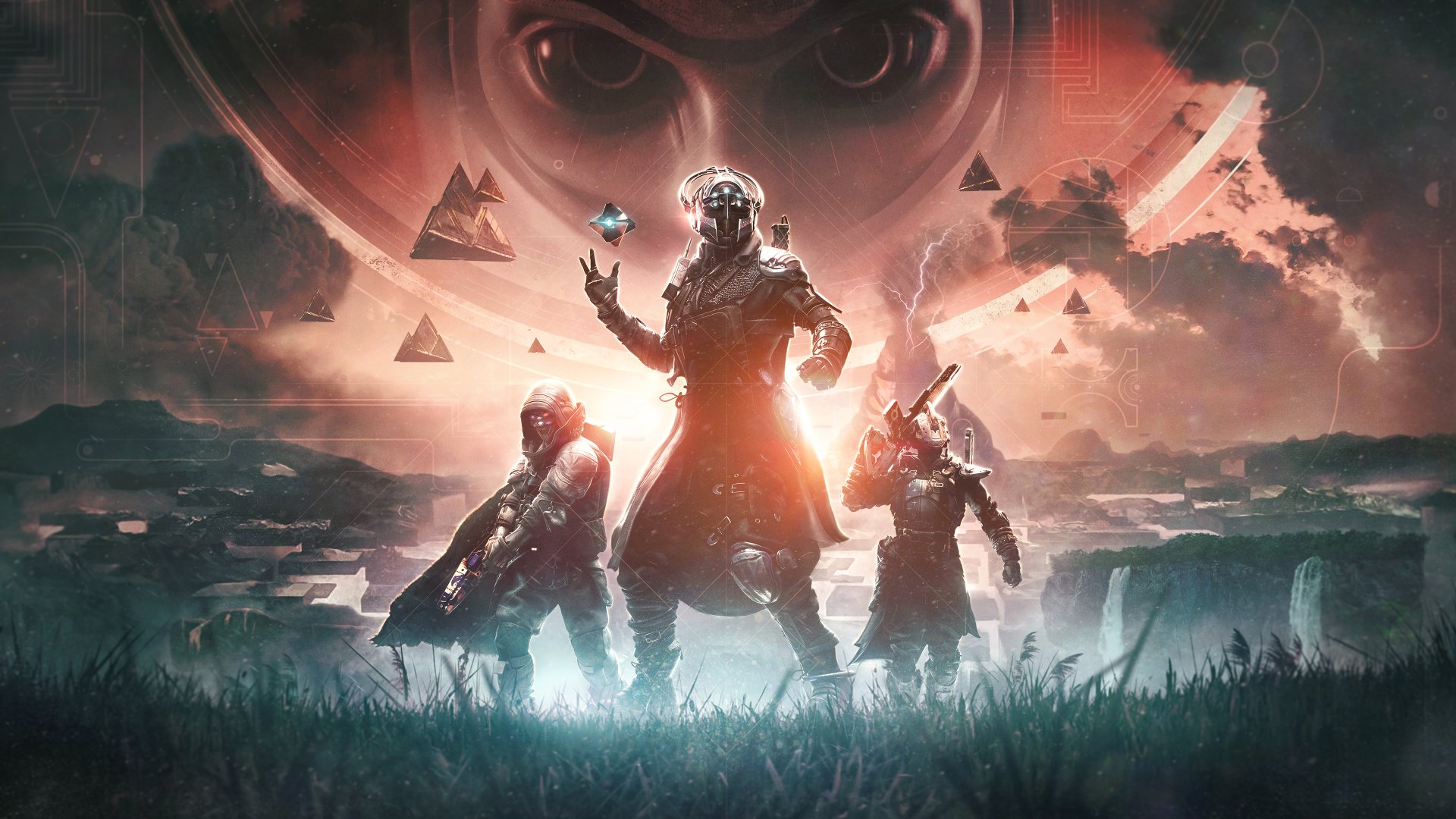
The wider games industry has already seen repeated rounds of layoffs, but Bungie’s case feels especially symbolic because it connects three big pressures at once: the cost of premium live-service development, the risk of relying on one ageing hit, and the difficulty of launching a new multiplayer game into a crowded market.
Looking Ahead
Sony has confirmed one thing: Marathon remains part of PlayStation’s portfolio and will continue to receive support. Hulst said the team will build on the foundation established in Season 1 and 2, while also working on incubation efforts for future projects.
What has not been disclosed is the final number of jobs lost, the exact structure of Bungie after the cuts, or which future ideas could move beyond incubation. Until Sony or Bungie says more, the studio’s near-term direction is straightforward but risky: fewer people, no live Destiny 2 pipeline, and Marathon carrying the weight of what comes next.
FAQ
Why is Sony laying off Bungie staff?
Sony said the layoffs followed a review of Bungie’s long-term direction, development priorities and resources. Bungie said Destiny 2 fell short of expectations and that the studio could not keep operating at its previous size after the final Destiny 2 content update.
Which Bungie teams are affected?
Sony said the cuts affect most of the Destiny team, some Marathon team members, and some SIE staff who supported Bungie operations.
Is Destiny 2 shutting down?
The sources say Destiny 2 has received its final live-service content update and is no longer getting new content. Insider Gaming noted that Destiny 2 remains playable.
What happens to Marathon now?
Sony says Marathon remains an important part of its portfolio. Kotaku reported that a PvE-only mode is planned for July as part of a mid-season update.
How many Bungie employees are being laid off?
Sony has not confirmed an exact number. Forbes reported a possible target around 50%, while Insider Gaming said roughly 400 staff could be at risk if half of Bungie’s roughly 800 employees were affected.