
Melanoma skin cancer cases across the United Kingdom have officially reached their highest level since records began. Health authorities are sounding the alarm as a perfect storm of cheap package holidays from the 1980s, an obsession with indoor tanning salons, and increasingly intense summer heatwaves push local clinics to the absolute brink. For decades, British sun-seekers have treated getting a tan as a badge of honour, but experts warn that the historical bill for our collective sun worship is finally falling due.
What We Know So Far
According to data released by leading cancer registries and health data groups, annual diagnoses of melanoma—the most serious and aggressive form of skin cancer—have broken all previous records in the UK. The numbers reveal a shifting demographic problem, with a particularly steep rise seen among adults aged over 55, who were the first generation to take advantage of cheap, mass-market foreign travel to southern Europe during the late 20th century. Damage done to British skin decades ago is only manifest now, displaying a devastating lag effect.
However, it is a massive mistake to view this strictly as a crisis for older generations. Younger patients are presenting in increasingly high numbers, frequently linked to a historic or regular usage of high-intensity indoor tanning equipment. For many individuals, an obsession with maintaining a year-round bronze meant spending their youth under ultraviolet bulbs, completely unaware that even a brief stint of sunbed use can multiply lifetime cancer risks exponentially.
The current climate crisis is making things significantly worse right on our doorsteps. As summer temperatures routinely shatter local records, the UK is experiencing prolonged periods of exceptionally high solar radiation. Public health officials are deeply concerned that Brits are simply unprepared for the strength of the sun at home, often neglecting basic sun safety protocols during domestic heatwaves because they falsely believe our local weather isn't strong enough to cause real damage.
Reactions & Responses
Health specialists and charities are calling for immediate, widespread public intervention. Clinicians emphasize that while treatments have advanced, prevention remains our single best weapon against the disease. Many survivors are speaking up to shatter the myth that you need to be a lifelong sun worshipper to suffer serious, life-altering consequences.
I only used sunbeds for a year in my youth, but the underlying damage caught up with me years later. People need to realize that a temporary tan is never worth risking your life over.
Similarly, a former air stewardess from Nantwich has gone public with her diagnosis to highlight how routine occupational exposure and lifestyle choices can quietly combine into a lethal diagnosis. In regions like Cumbria, local NHS trusts are mounting aggressive awareness campaigns, urging people to pay attention to the changing nature of their skin and check any abnormal spots before it becomes too late.
On the Ground
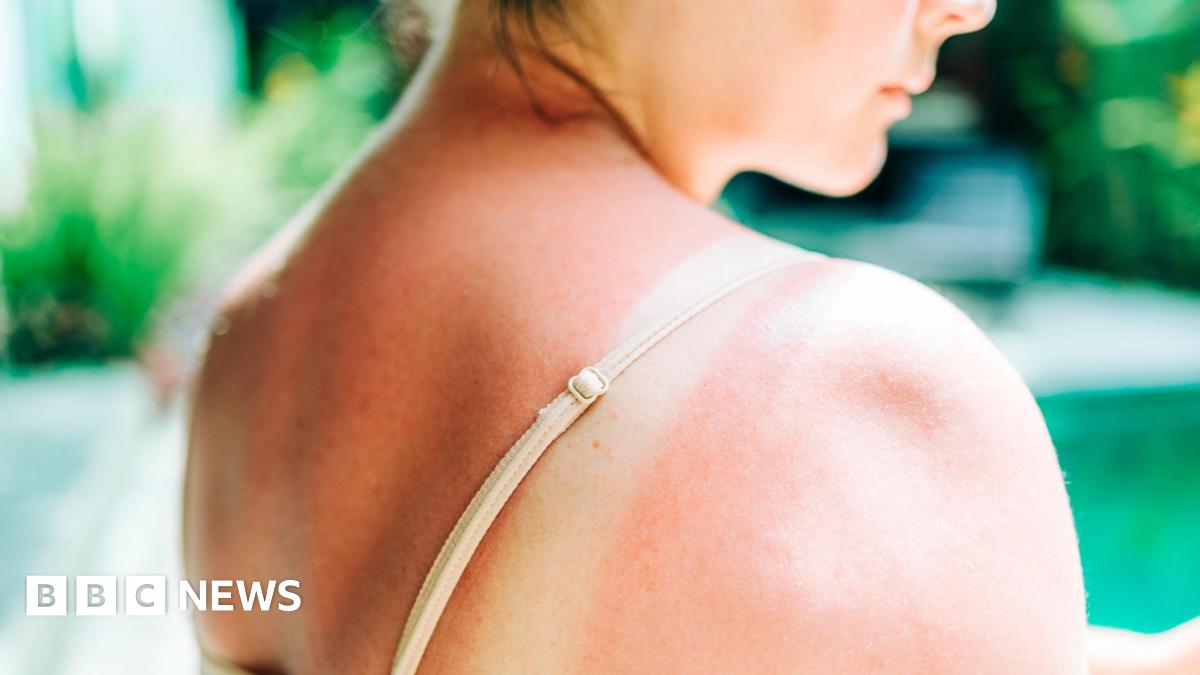
So, what does this actually mean for you when stepping outside? Here's the thing: you can no longer judge the safety of the afternoon by temperature alone. A cool, breezy spring day can carry a dangerously high UV index capable of frying unprotected skin in under 20 minutes. If you're out gardening, walking the dog, or sitting in a pub beer garden, skipping sunscreen is akin to playing Russian roulette with your health.

The strain on the NHS is already becoming palpable. Dermatological departments are seeing massive waiting lists for mole checks, meaning a delay in diagnosing an aggressive lesion could literally mean the difference between life and death. The message from health workers is unambiguous: stamping out sunbed use and wearing daily protection must become the new normal if we want to reverse this terrifying trend. After all, prevention is always better than cure, and when it comes to melanoma, it's a matter of saving your own skin.
Coming Up
Cancer support organizations and public health bodies are planning a series of major national awareness drives ahead of the peak summer months. Expect to see enhanced UV index warnings integrated directly into local weather broadcasts, alongside a renewed political push from health advocates to tighten licensing restrictions on commercial sunbed salons across high streets in England and Wales.
At a Glance
- Melanoma skin cancer diagnoses have hit an all-time record high across the United Kingdom.
- The sharpest rise in cases is among adults over 55, linked to the historical boom in cheap foreign holidays.
- Experts point to historical indoor sunbed use as a major accelerator for younger patients.
- Rising domestic heatwaves are exposing Brits to dangerous, unexpected levels of ultraviolet radiation.
- Dermatologists urge everyone to check their moles regularly using the ABCDE safety checklist.
- A UV index of 3 or higher requires sun protection, regardless of cloud cover or ambient temperature.
Frequently Asked Questions
What are the main symptoms of melanoma skin cancer?
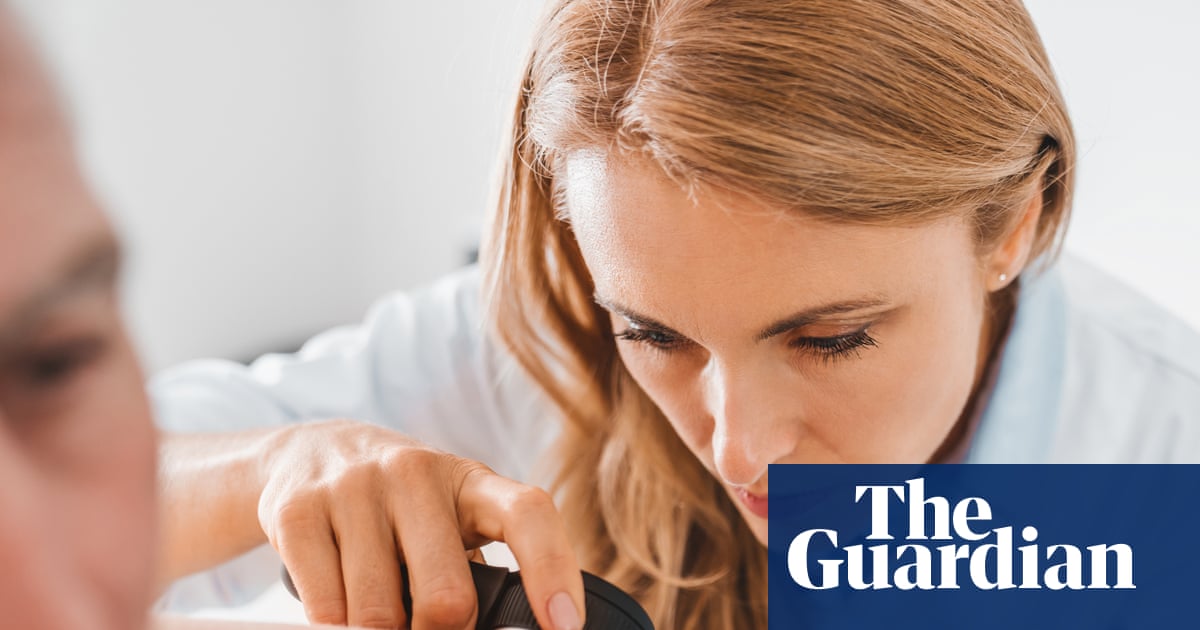
The most common sign is the appearance of a new mole or a change in an existing mole. Look out for asymmetry, irregular borders, color changes, a diameter larger than 6mm, or a mole that is evolving, itching, or bleeding.
When is the UV index strong enough to cause skin damage?
In the UK, the UV index can reach levels requiring protection from mid-March to mid-September. Any time the index hits 3 or above, you should apply sunscreen, wear a hat, and seek shade during peak afternoon hours.
Does a history of sunbed use increase cancer risk?
Yes, significantly. Research shows that using a sunbed even once before the age of 35 can increase your risk of developing malignant melanoma by a massive percentage due to intense UV exposure.