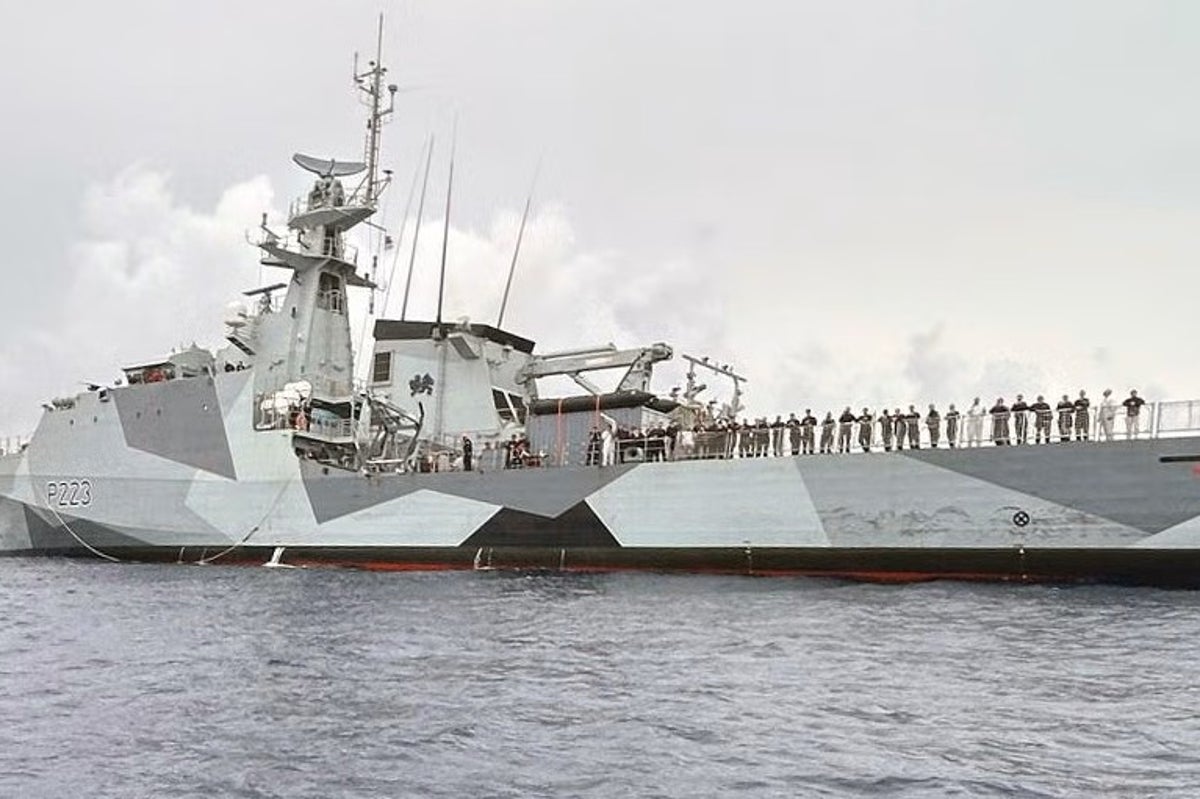
Royal Navy patrol ship HMS Medway fired 120 live rounds from its 30mm automatic cannon off the Falkland Islands on Monday, 2 November 2026, during a military training exercise in the South Atlantic. The drills took place amid renewed diplomatic tensions between the UK and Argentina over sovereignty of the islands and a disputed offshore oil development. British forces described the exercise as routine operational training, while the military presence also serves as a visible deterrent against potential threats to the British Overseas Territory.
What the Investigation or Allegation Is About
The latest naval exercise comes against the backdrop of a long-running sovereignty dispute between Britain and Argentina over the Falkland Islands, known in Argentina as the Malvinas.
Buenos Aires has repeatedly challenged Britain's military activities around the archipelago, describing British naval patrols as illegal provocations. Under President Javier Milei, Argentina has intensified its diplomatic campaign, including renewed demands for the islands to be returned to Argentine control.
A particularly contentious issue is the Sea Lion oilfield, an offshore deposit north of the islands estimated at 1.7 billion barrels. The project has become another point of friction because extraction is expected to begin in 2028 under British-authorised development plans.
Argentina has challenged the project through international legal channels, seeking to stop the development and taking action against companies involved. The dispute therefore extends beyond military positioning into questions of natural resources, economic interests and competing territorial claims.
What Has Been Established
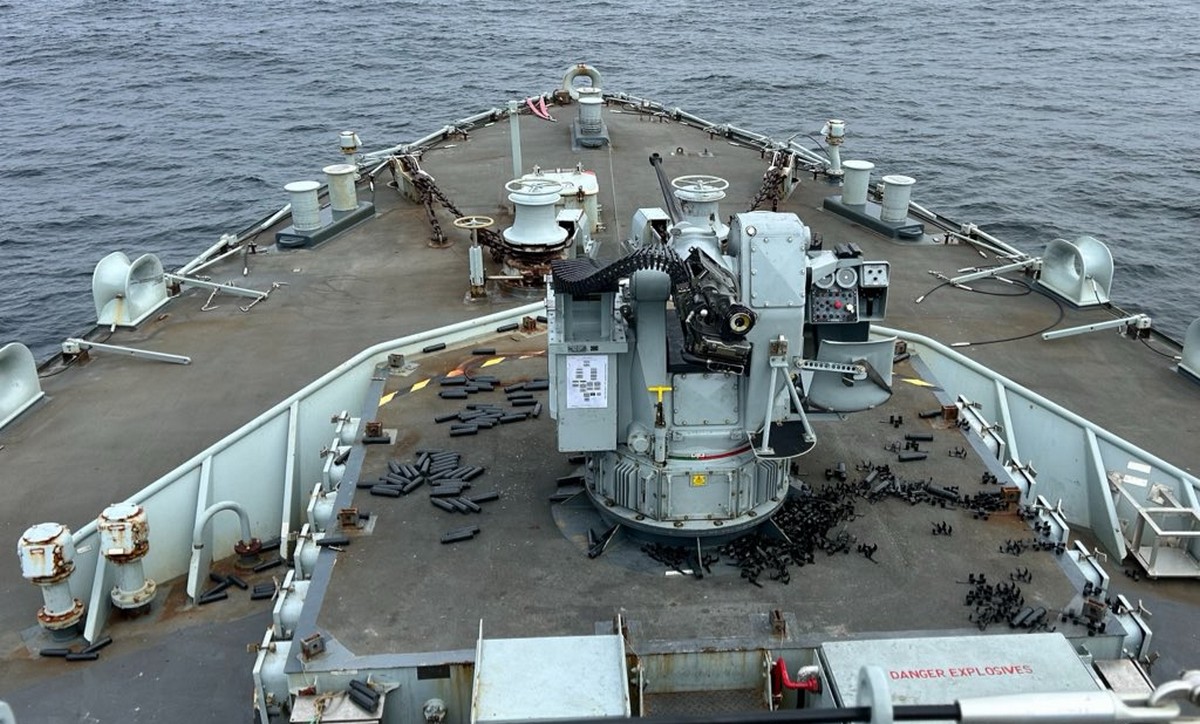
HMS Medway fired 120 rounds from its main 30mm automatic gun during training involving personnel from Flag Officer Sea Training. The assessment programme puts naval crews through operational exercises to establish whether their ships are ready for front-line duties.
The Royal Navy's description of the exercise confirmed that the firing was part of routine training. The ship's company reported: “120 rounds downrange. We took the opportunity for further routine training and put our 30mm Automatic Small Calibre Gun through its paces again. Practice = Precision.”
The weapon is the main armament of the River-class patrol vessels. According to UK Defence Journal, it can fire high-explosive ammunition at targets approximately two and a half kilometres away. Regular practice helps maintain the accuracy required for operational use.
The latest firing follows Operation Southern Vigilance, a four-day patrol conducted from 26 to 29 July. During that deployment, HMS Medway carried out machine-gun exercises near the edge of the Falkland Islands Conservation Zone, alongside a man-overboard drill involving an RAF A400M Atlas aircraft.
British forces have described these activities as an essential visible deterrent, demonstrating London's commitment to defending the territory. The exercises have also involved personnel from the Parachute Regiment and other British military units.
Argentina's response has included legal and economic measures concerning the Sea Lion development. Reports say the government has introduced sanctions against individuals and companies involved in oil exploration and threatened action against participating businesses.
Who Is Involved
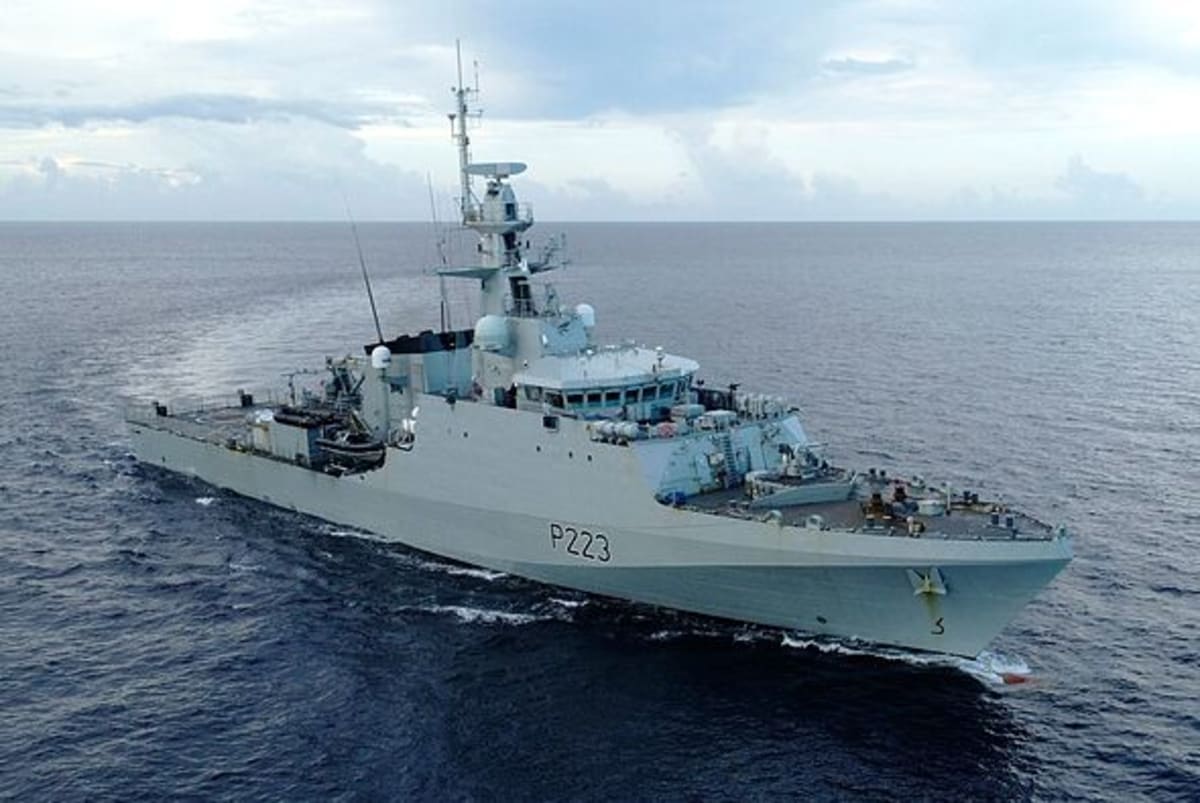
HMS Medway is the central military asset in the latest exercise. Commissioned in 2019, the approximately 2,000-tonne River-class offshore patrol vessel is the only Royal Navy ship permanently assigned to the South Atlantic region.
Its responsibilities form part of a wider British military presence based around RAF Mount Pleasant on East Falkland. That deployment includes Typhoon fighter aircraft, Sky Sabre air defence systems, radar facilities and a permanent infantry presence.
On the Argentine side, President Javier Milei has made the sovereignty dispute a prominent part of his government's diplomatic agenda. His administration has challenged British military movements and opposed offshore oil exploration around the islands.
UK Prime Minister Andy Burnham has rejected Argentina's claims and said Britain will stand firm against threats to the islands' sovereignty. The British UN delegation has also criticised attempts to obstruct companies involved in Falkland Islands industries, describing such measures as unacceptable.
What Is Still Unresolved
The latest firing exercise does not establish that an armed confrontation between Britain and Argentina is imminent. The available reports describe the 120-round salvo as routine training, not an exchange of fire with another military force.
Several wider disputes remain unresolved, however. Argentina continues to challenge British sovereignty over the archipelago, while the two countries disagree over the legitimacy of offshore oil exploration.
The Sea Lion project is another significant unknown. Argentina has approached the International Tribunal for the Law of the Sea in Hamburg in an attempt to halt the development, but the supplied reports do not establish a final ruling or the outcome of that legal challenge.
There is also no confirmed indication in the reporting that HMS Medway's latest exercise was conducted in direct response to a specific Argentine military operation. The distinction matters: the ship's training and Britain's wider deterrence policy are established, but a direct military confrontation has not been reported.
What Happens Next
HMS Medway is expected to continue its South Atlantic patrol responsibilities as part of Britain's permanent military presence in the region. Its operational role includes maintaining readiness, conducting maritime patrols and supporting exercises with other British forces.
Diplomatically, attention will remain on Argentina's legal challenge to the Sea Lion oilfield and the wider sovereignty disagreement. The proposed 2028 start of extraction gives the dispute an important economic dimension, particularly because Argentina has already threatened action against businesses involved in the development.
For Britain, the immediate priority remains maintaining its military presence and defending the territory. For Falkland Islanders, the continuing disagreement affects the political and economic future of the islands, including the development of offshore resources.
The latest naval exercise is therefore best understood as part of an established British military readiness programme taking place during a period of renewed diplomatic friction, rather than evidence that fighting has begun.
Frequently Asked Questions
Why did HMS Medway fire 120 rounds near the Falkland Islands?
HMS Medway fired the ammunition during routine naval training designed to test the crew's operational readiness. The exercise also provided an opportunity to assess the ship's 30mm automatic cannon.
Is HMS Medway permanently stationed in the Falkland Islands?
HMS Medway is permanently assigned to the South Atlantic and is the only Royal Navy vessel permanently stationed in the region. It forms part of Britain's wider military presence around RAF Mount Pleasant.
What is the Sea Lion oilfield dispute between Britain and Argentina?
Sea Lion is an offshore oil deposit north of the Falkland Islands estimated at 1.7 billion barrels. Argentina is challenging the British-authorised development through international legal channels, with extraction planned for 2028.
Has Argentina threatened British companies involved in Falklands oil exploration?
Yes. Reports state that Argentina has introduced sanctions against individuals and companies involved in oil exploration around the islands. Its government has also threatened legal action against companies participating in the development.
How many British military personnel and assets are based in the Falkland Islands?
The British military presence includes HMS Medway, Typhoon fighter aircraft, Sky Sabre air defence systems, radar facilities and a permanent infantry detachment. The supplied reports do not provide a complete personnel headcount.
Does the latest HMS Medway exercise mean Britain and Argentina are at war?
No. The 120-round firing exercise was reported as routine military training. Although diplomatic tensions remain high, the reports do not describe an armed confrontation between the two countries.