Millions of people across the UK who use modified Fire TV Sticks to watch premium television, films and live sport without paying subscription fees could face police scrutiny. Former detective Rav Wilding has warned that investigators are examining sellers' bank accounts to identify customers who paid for illegal streaming services. His warning comes as recent prosecutions demonstrate that enforcement action can extend beyond distributors to people watching unauthorised content.

What Was Decided
Wilding's warning, shared in a video by BBC Morning Live, describes an enforcement approach in which police investigate sellers and distributors before examining their financial records to identify people who paid for illegal streaming subscriptions.
There has been no announcement in the supplied report of a new court ruling specifically targeting all Firestick users. However, a recent prosecution in Essex provides a clear example of the legal consequences for people involved in selling these services.
Aaron Smith, 41, from Clacton, received a two-year prison sentence suspended for two years after pleading guilty to money laundering and selling or hiring an article infringing copyright. He was also ordered to complete 150 hours of unpaid work and 30 hours of rehabilitation activities.
The case demonstrates that selling modified streaming devices can lead to criminal convictions and substantial penalties, even when the seller claims not to have understood the seriousness of the activity.
The Case Background
Amazon Fire TV Sticks are legitimate streaming products. They allow households to watch services such as Netflix, BBC iPlayer and other subscription platforms through their televisions. The legal problem arises when sellers modify or configure devices to provide unauthorised access to premium channels, films and live sporting events.
These products are commonly advertised as fully loaded or dodgy Firesticks. Buyers may pay a one-off price for the device and additional fees to maintain access to illegal internet television subscriptions.
According to Wilding, police are concentrating on the people distributing these devices. Once investigators identify a seller, they can examine financial transactions and bank statements to establish who has been making payments. Those customers may subsequently be contacted and asked to explain the purpose of their transactions.
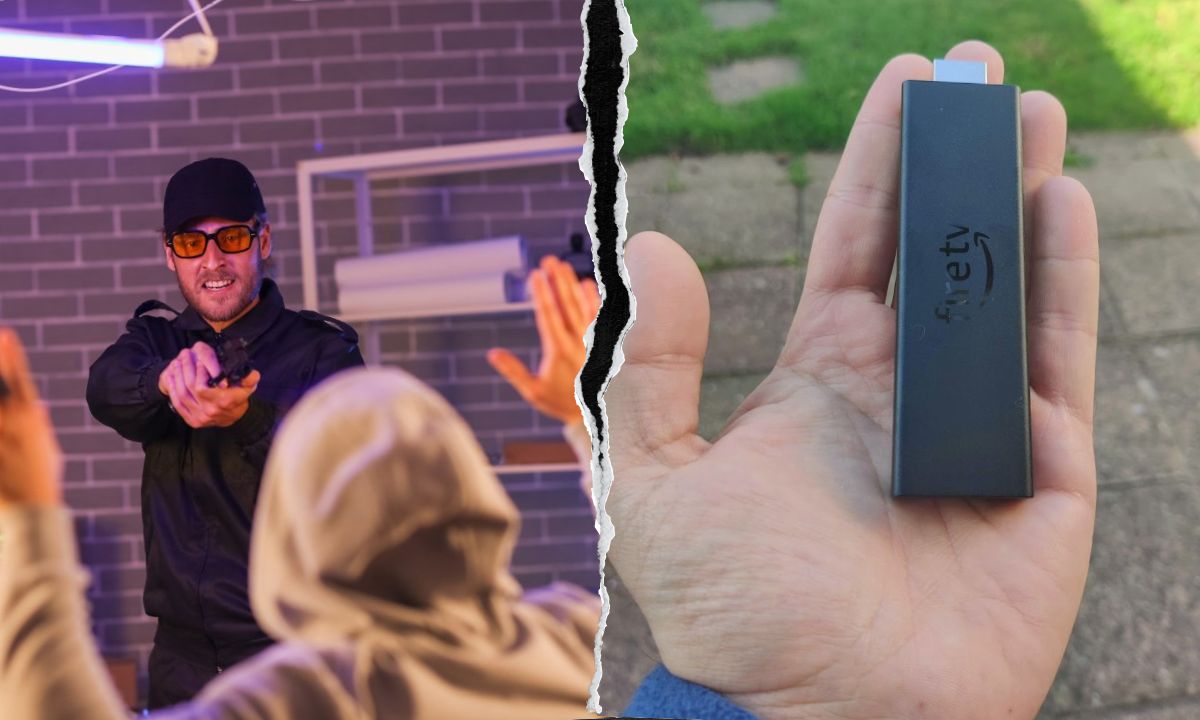
The prosecution of Smith illustrates how this financial evidence can support an investigation. He advertised modified Fire TV Sticks through WhatsApp and Facebook from October 2020, charging £80 for a device and £75 annually for continued access.
Essex Police traced more than £72,000 in payments linked to his operation. Officers arrested him at his home in December 2024 and seized his laptop and phone. Messages, advertisements and payment records helped establish the extent of his activities.
Smith pleaded guilty at Chelmsford Crown Court on 21 July and was sentenced on 15 October. The court also heard that more than 540 people had bought devices from him.
What the Ruling Means
The Smith case highlights the financial and criminal risks associated with illegal streaming businesses. A suspended prison sentence means he does not immediately serve the custodial term, provided he complies with the relevant requirements. His sentence also includes unpaid work and rehabilitation activities.
For customers, the wider concern is that investigators may obtain information about payments made to distributors. Wilding explained that people identified through these records could receive police contact and be questioned about their involvement.
The Federation Against Copyright Theft (FACT), which works with police forces and the entertainment industry, supports enforcement against both sellers and customers. Its chairman, Kieron Sharp, said the available measures range from cease-and-desist notices and visits to criminal prosecutions.
We have a wide range of enforcement options - from issuing cease and desist notices to 'knock and talk' visits - through to full criminal prosecutions where appropriate.
This distinction matters because owning an ordinary Amazon Fire TV Stick is not a crime. The issue is accessing copyrighted television, films and sporting events through unauthorised services. Legitimate internet television services remain lawful, regardless of the technology used to deliver them.
Reactions and Next Steps
Wilding's warning reflects growing enforcement activity involving police, broadcasters and anti-piracy organisations. Sky and other rights holders have an interest in stopping unauthorised access because illegal subscriptions divert revenue from legitimate television services and the businesses that produce and broadcast content.
In Smith's case, Sky and Warner Bros. Discovery, which co-owns TNT Sports, submitted statements to the court describing their losses. Neither company was able to provide an exact financial figure for the damage caused by his operation.
FACT has also warned people identified through investigations. The organisation previously emailed and texted more than 1,000 people whose details had been recovered in piracy-related cases, telling them to stop using illegal services or risk further action.
Wilding's warning therefore concerns more than the people selling modified devices. Financial records can provide investigators with a route towards identifying customers who might otherwise assume their transactions are private.
What Happens Next
The next stage for people identified through these investigations will depend on the evidence and their individual circumstances. Some may receive warnings or visits, while others could face criminal proceedings if investigators establish sufficient grounds for prosecution.
Smith's case also has a further financial element. Proceeds of Crime hearings are expected to determine how much money connected to his illegal operation can be confiscated.
Meanwhile, Amazon has introduced changes intended to make unauthorised applications harder to install on newer Fire TV devices. Its Vega operating system restricts app installation to Amazon's own store, while the company has also started blocking known piracy applications on older Android-based devices.
Those changes do not eliminate illegal streaming. Millions of older devices remain in use, and other Android television boxes can still provide alternative routes to unauthorised services. For UK viewers, however, Wilding's central warning is clear: paying a seller through a bank account does not guarantee anonymity, and using an illegal streaming subscription can carry consequences beyond losing access to the service.
Further information about enforcement and copyright protection is available through FACT's official website.
Frequently Asked Questions
Can police trace people who use dodgy Firesticks?
Yes. According to Rav Wilding, investigators can examine sellers' bank accounts and payment records to identify customers who paid for illegal streaming devices or subscriptions. Those identified may be contacted by police.
Is owning an Amazon Fire TV Stick illegal in the UK?
No. An ordinary Amazon Fire TV Stick is a legitimate product. The potential criminal activity involves using modified devices or unauthorised applications to access copyrighted content without permission.
Can you go to prison for watching illegal Firestick streams?
People accessing illegal streaming services can face fines, criminal records or imprisonment, according to the enforcement warnings reported by Cord Busters. The consequences depend on the circumstances and evidence in each case.
What happened to the Clacton Firestick seller?
Aaron Smith, 41, received a two-year prison sentence suspended for two years on 15 October. He must also complete 150 hours of unpaid work and 30 hours of rehabilitation activities after pleading guilty to two offences.
Who is investigating illegal Firestick streaming in the UK?
Police forces are working alongside the Federation Against Copyright Theft and broadcasters to tackle illegal streaming. Investigations include targeting distributors, examining financial transactions and identifying people connected to illegal services.