John Healey resigns over Starmer defence plan — spending row deepens
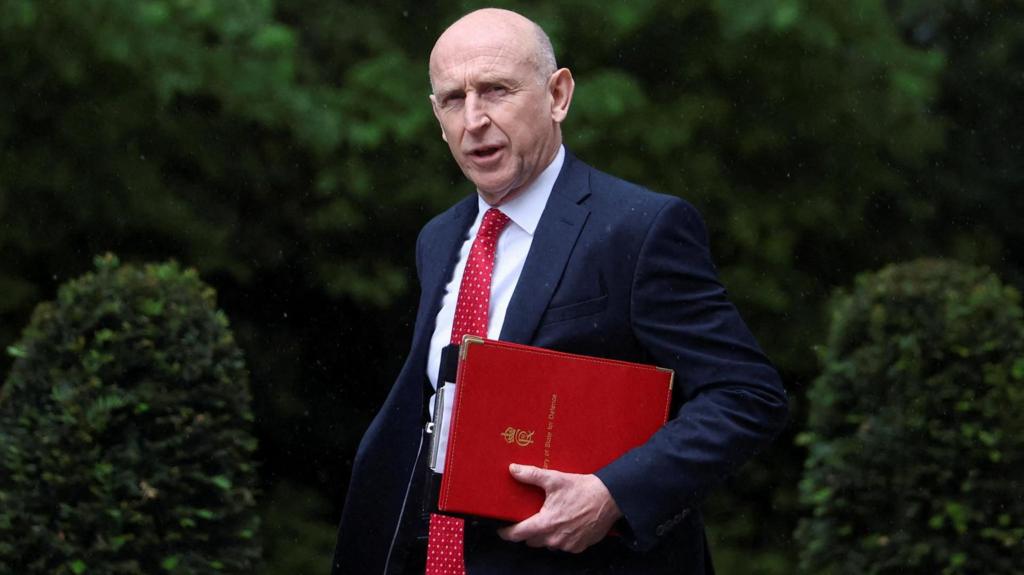
John Healey has resigned as defence secretary after concluding that Keir Starmer's military spending plan would leave the armed forces without the resources he believed they needed. In a sharply worded letter, he said the proposed Defence Investment Plan 'falls well short of what is required for defence and the country at this dangerous time'. The resignation lands at a damaging moment for the prime minister, with the long-awaited plan delayed and pressure growing across Westminster over defence funding.
What We Know So Far
Healey told Starmer he had seen the full financial settlement for the Defence Investment Plan only on Monday afternoon. He wrote that, after telling the prime minister he could not accept a settlement that failed to give forces the resources they needed, he had 'no other option' but to resign.
The core dispute is over the pace and scale of defence spending. The government has committed to raising defence spending to 2.5% of GDP by 2027, with a revised definition putting that figure at 2.6%. It has also set an ambition to reach 3% in the next parliament and accepted a Nato target of spending 5% of GDP on national security by 2035, split between 3.5% on core defence and 1.5% on wider resilience.
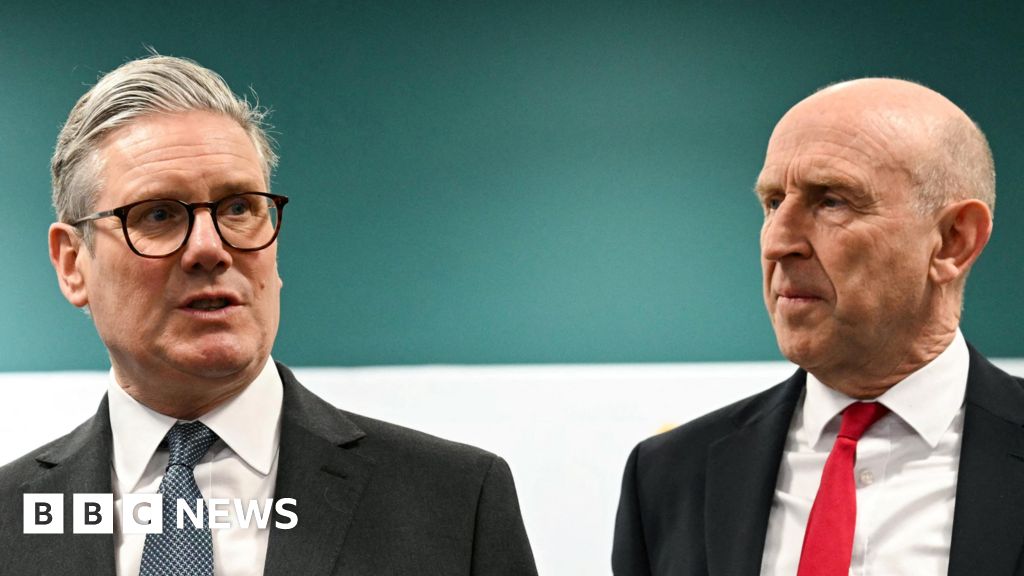
Healey argued the plan offered too little too late. According to the BBC, he told Starmer that a rise to 2.68% of GDP in 2030 amounted to only a 0.08 percentage point increase beyond the existing 2027 commitment. He also objected that extra support was 'backloaded', while the pressure to improve readiness was concentrated in the first two years.
The row follows months of argument between the Ministry of Defence, the Treasury and Number 10 over how to fund the plan. The strategic defence review set out the need to prepare the UK for war, but the investment plan that was meant to explain the equipment purchases and funding has repeatedly failed to appear. That delay has now become a political crisis because it links money, military readiness and Starmer's authority in one dispute.
The pressure is also rooted in the condition of the armed forces. BBC Verify reported that the British Army has fallen from 153,000 regular soldiers at the end of the Cold War in 1990 to 73,790 today. Over the same period, army reservists fell from 76,000 to 25,770, the Royal Navy's major combat ships fell from 48 to 13, and the RAF's combat jets fell from more than 300 to 144. Modern equipment is more advanced, but Healey's case is that capability cannot be sustained without faster investment.
The Response
Downing Street responded through a government source, insisting that 'this country is safer because of the decisions Keir Starmer has made' and that Labour is delivering 'the largest sustained boost to defence spending since the Cold War'. The source said the prime minister had cut the international aid budget to invest in the armed forces and was imposing cuts on other departments to fund billions more.
This country is safer because of the decisions Keir Starmer has made and we will continue to act in our national interest.
Opposition parties seized on the resignation. Conservative leader Kemi Badenoch said Healey had done 'the honourable thing' and accused Starmer of putting welfare before defence. Liberal Democrat leader Ed Davey called it a 'wake-up call', while Green Party leader Zack Polanski said Labour had 'no serious plan' for the threats facing the country.
There was also concern from inside the defence sector. Kevin Craven, chief executive of the ADS Group, said Healey's resignation had 'sent us reeling' and warned that the consequences of getting the Defence Investment Plan wrong were 'far beyond our worst fears'. His intervention matters because ADS represents aerospace, defence, security and space companies whose work depends on long-term procurement decisions, not short bursts of spending.
What It Means for You
For people in the UK, this is not only a Westminster personnel story. Defence spending affects the readiness of the armed forces, the future of defence jobs, the tax-and-spending choices facing the government, and Britain's standing with Nato allies at a time when ministers are discussing higher security commitments.
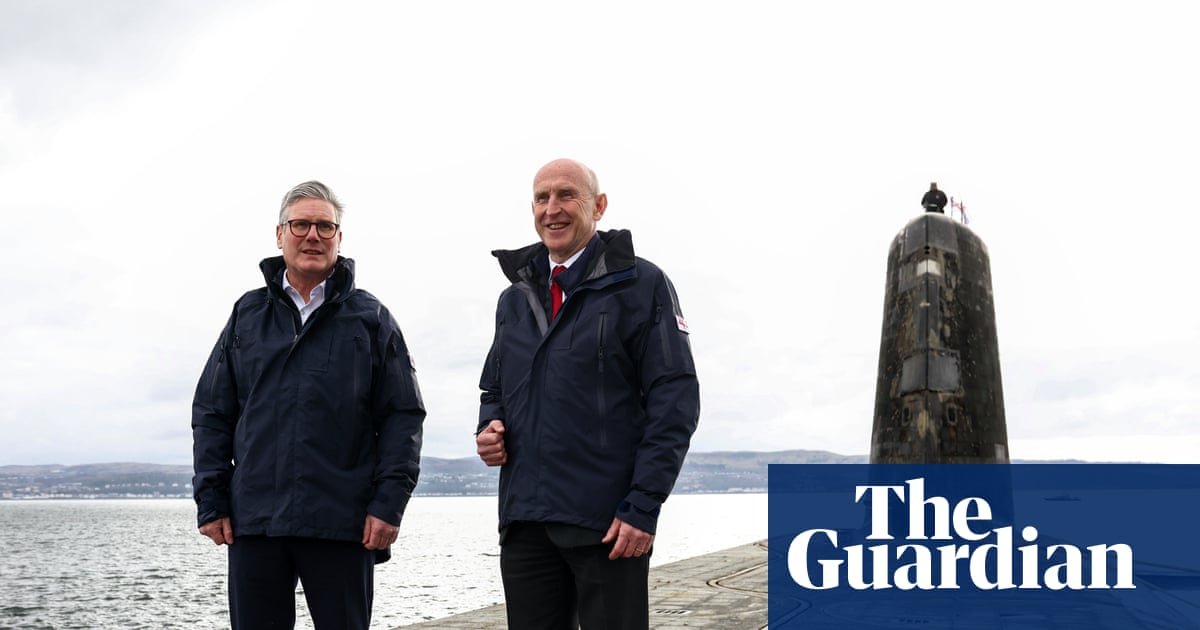
The trade-offs are direct. If defence receives more money quickly, departments such as transport and energy may face tighter capital budgets, according to reporting on the negotiations. If the government delays, Healey's warning is that decisions inside the Ministry of Defence could reduce readiness and increase risks for personnel on operations.
The public impact also reaches defence communities and industrial areas. Unite's Sharon Graham said jobs and skills were at risk, while ADS called for an adequately funded plan as soon as possible. That means the argument is about soldiers and ships, but also factories, apprenticeships, research and supply chains across the UK.
Coming Up
Starmer now has to appoint a new defence secretary and decide whether the Defence Investment Plan can be published in its current form. BBC reporting said other defence ministers were asked by Healey to remain in post to minimise disruption.
The timing is difficult. Healey had been due to attend a Nato defence ministers meeting in Brussels next week, and the government faces the Makerfield by-election on Thursday. The Guardian also reported that Starmer is due to meet G7 allies in France next week and travel to Ankara for a Nato summit in early July, putting the UK's defence commitments under international attention.
At a Glance
- John Healey has resigned as defence secretary over the government's Defence Investment Plan.
- He said the proposed settlement 'falls well short' of what the armed forces need.
- The dispute centres on spending rising to 2.68% of GDP in 2030, rather than reaching 3% sooner.
- The government says it is delivering the largest sustained boost to defence spending since the Cold War.
- The resignation increases pressure on Keir Starmer to appoint a replacement and settle the delayed plan.
- Defence industry voices warned that jobs, skills and military readiness are now tied to the funding decision.
People Also Ask
Why did John Healey resign as defence secretary?
John Healey resigned because he said the proposed Defence Investment Plan did not give the armed forces the resources they needed. In his letter to Keir Starmer, he said the settlement 'falls well short' at a dangerous time for the country.
What is the Defence Investment Plan?
The Defence Investment Plan is the government's delayed plan for funding the equipment and capabilities linked to its strategic defence review. It was expected to explain how the UK would buy what the armed forces need and how much money would be allocated.
How much defence spending was Healey objecting to?
Healey objected to a plan that would take defence spending to 2.68% of GDP by 2030. BBC reporting said that implied only a 0.08 percentage point increase beyond the government's existing 2027 commitment.
What has the government said after Healey's resignation?
A government source said the country was safer because of Keir Starmer's decisions and that Labour was delivering the largest sustained boost to defence spending since the Cold War. The source also said the Defence Investment Plan would deliver the capability the armed forces need.
How could this affect the UK public?
The dispute could influence military readiness, defence jobs and spending choices across other government departments. Reporting on the negotiations said some departments faced pressure to cut capital budgets to help fund extra defence spending.

Resources
Sources and references cited in this article.