Millions of older households across England, Wales, and Northern Ireland are seeing up to £300 land in their bank accounts this month as the 2026/27 Winter Fuel Payment rollout gets underway. More than nine million pensioners qualify for the tax-free heating support, which is issued automatically in stages throughout November and December. While the scheme restores broad access following previous restrictions, those earning over £35,000 a year face automatic tax code adjustments from HM Revenue and Customs (HMRC) to claw the money back.
What Was Decided
The Department for Work and Pensions (DWP) has commenced staged payments of between £100 and £300 for the winter 2026 to 2027 period, alongside an HMRC tax recovery mechanism for higher-earning recipients. Under DWP Winter Fuel Payment eligibility rules, individuals born on or before 1960 who live in England, Wales, or Northern Ireland are entitled to keep the support if their total annual income is less than £35,000.
Anyone earning above the £35,000 threshold still receives the upfront payment automatically, as the opt-out window for the 2026/27 season has already closed. Instead of requiring manual repayments, HMRC has updated the 2026/27 tax codes for more than one million pensioners to reclaim the funds across the remainder of the tax year.
The Case Background
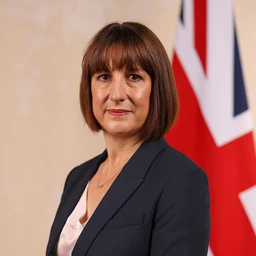
The current payment framework follows major policy shifts over the past two years. In winter 2024, Chancellor Rachel Reeves severely curtailed the universal Winter Fuel Payment, restricting eligibility solely to the lowest-income pensioners receiving means-tested support such as Pension Credit.
Following political pressure and a subsequent government U-turn last year, ministers expanded the scheme once again to reach more than nine million pensioners. To target the support without delaying winter distributions, the Treasury paired broad automatic payouts with an income-based recovery threshold set at £35,000.
Before payments began arriving this month, eligible recipients were sent notification letters confirming the exact amount they would receive and which bank account—typically the same account used for the State Pension or other benefits—would be credited.
What the Ruling Means
For households with annual incomes below £35,000, the rollout delivers immediate, non-repayable relief toward cold-weather energy bills, with Sky News reporting that initial deposits are already reaching bank accounts. However, several specific exclusions apply under DWP regulations:
- Living outside England, Wales, or Northern Ireland during the qualifying period.
- Spending an entire week in hospital during September 2026.
- Being subject to immigration control with leave stating no recourse to public funds.
- Serving a prison sentence for the entire week of 21 to 27 September 2026.
- Living full-time in a care home from 29 June or earlier while claiming Universal Credit, Pension Credit, or Employment and Support Allowance (ESA).
For pensioners earning more than £35,000, the policy translates into smaller monthly net income through Pay As You Earn (PAYE) deductions. Recipients under the age of 80 will see roughly £17 a month deducted via their adjusted tax code, while those aged 80 or over will face a deduction of around £25 a month. Those who file Self Assessment tax returns must declare the payment on their forms, though online filers should see the figure pre-populated automatically.
Reactions and Next Steps
Alongside the rollout, HMRC has issued an urgent fraud warning to older residents as opportunistic scammers attempt to exploit the payment window. The tax authority confirmed it will never contact pensioners via text message or email to demand repayment of the Winter Fuel Payment or ask for personal bank details.
Pensioners who do not wish to go through the tax clawback process in future years will have an opportunity to withdraw before the next cycle begins. While opt-outs for 2026/27 are locked, HMRC confirmed that individuals can opt out of the 2027 to 2028 Winter Fuel Payment starting from 21 December 2026.
What Happens Next
There is no single nationwide payment date; instead, the DWP will continue distributing funds in batches throughout November and December 2026. Pensioners who have received an entitlement letter should monitor their nominated bank accounts over the coming weeks.
For the more than one million higher-income pensioners affected by the £35,000 threshold, PAYE tax code adjustments will continue collecting the reclaimed sum in monthly instalments through the end of the 2026/27 tax year, while Self Assessment taxpayers will settle their balance during their annual filing.
Frequently Asked Questions
Who is eligible for the £300 Winter Fuel Payment in 2026/27?
People born on or before 1960 who live in England, Wales, or Northern Ireland qualify for between £100 and £300, provided their total annual income is under £35,000 and they do not fall under specific hospital, prison, immigration, or care home exclusions.
When will the 2026 Winter Fuel Payment be paid?
Payments are being issued automatically in stages across November and December 2026. There is no single payment date for all recipients, and money is sent directly to the bank account used for the State Pension or other benefits.
How does HMRC claw back the Winter Fuel Payment if I earn over £35,000?
If your income exceeds £35,000, HMRC adjusts your 2026/27 PAYE tax code to reclaim the payment across the tax year—typically around £17 per month for those under 80, or £25 per month for those aged 80 and over. Self Assessment filers must include the payment on their tax return.
Can I still opt out of receiving the Winter Fuel Payment?
You can no longer opt out of the 2026 to 2027 payment. However, pensioners who want to avoid receiving and repaying future awards can opt out of the 2027 to 2028 Winter Fuel Payment beginning on 21 December 2026.