
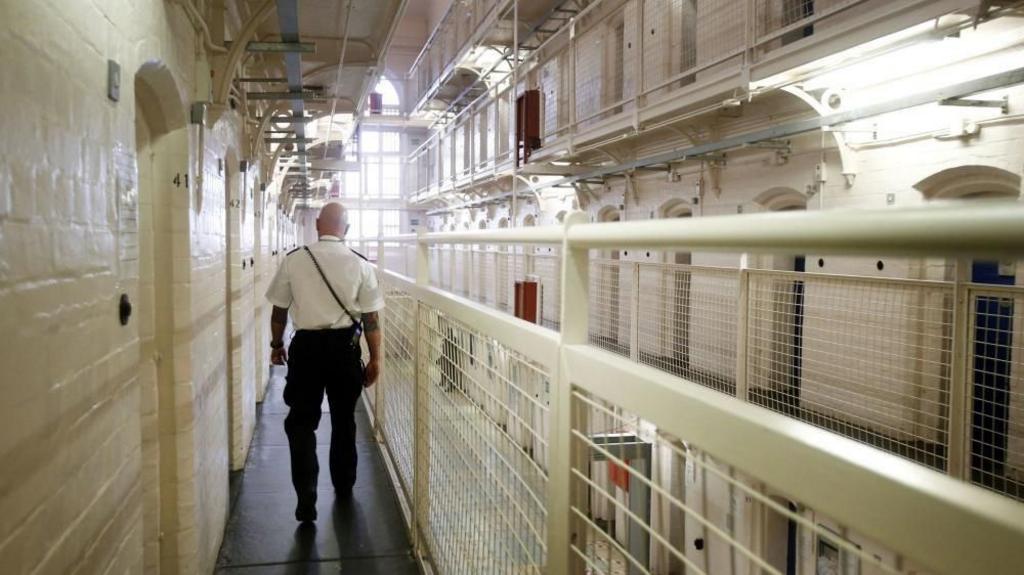
PC Andrew Harper case drives pause in prisoner early-release plan
Last updated: 23 July 2026, 19:38 BST
Prime Minister Andy Burnham paused planned early prisoner releases in England and Wales on 23 July after victims and families, including PC Andrew Harper's relatives, challenged the prospect of serious offenders leaving custody sooner. The policy had been due to begin in September, with around 700 prisoners expected in the first wave and about 6,000 potentially benefiting overall. Burnham has ordered an urgent review before anyone is released under the new provisions. The decision gives affected families temporary certainty but revives concerns about already crowded prisons.
The Story at a Glance
The controversy centres partly on the case of Thames Valley Police officer Andrew Harper, who was killed in Berkshire in 2019 after becoming caught in a strap attached to a getaway vehicle and being dragged along a road as three teenagers fled following a quad bike theft.
Henry Long, Albert Bowers and Jessie Cole were convicted of manslaughter and jailed in 2020. Bowers and Cole received 13-year sentences. Under the planned Sentencing Act changes, they would have become eligible to leave custody earlier than under the terms applying when they were sentenced, potentially from June 2027.
Burnham said no prisoners would be released under the policy until the urgent review was completed and public risk had been examined. Justice Secretary Alex Norris said ministers would reconsider who might leave prison, when they might leave and what information victims should receive.
How the Story Developed
The Sentencing Act 2026 was introduced against persistent pressure on prison capacity. Under the planned system, many offenders serving standard fixed sentences could become eligible for release after serving one-third of their sentence rather than half, while certain serious sexual and violent offenders who previously reached automatic release after two-thirds could become eligible after half.
The remaining sentence would be served in the community under supervision, with offenders potentially returned to prison if conditions were breached. The most serious categories, including life prisoners and people subject to extended monitoring, were not eligible.
Thousands of victims had already received letters warning that offenders who harmed them might qualify for earlier release. Criticism intensified when PC Harper's family learned Bowers and Cole could benefit. Burnham then halted the September timetable while ministers review the policy.
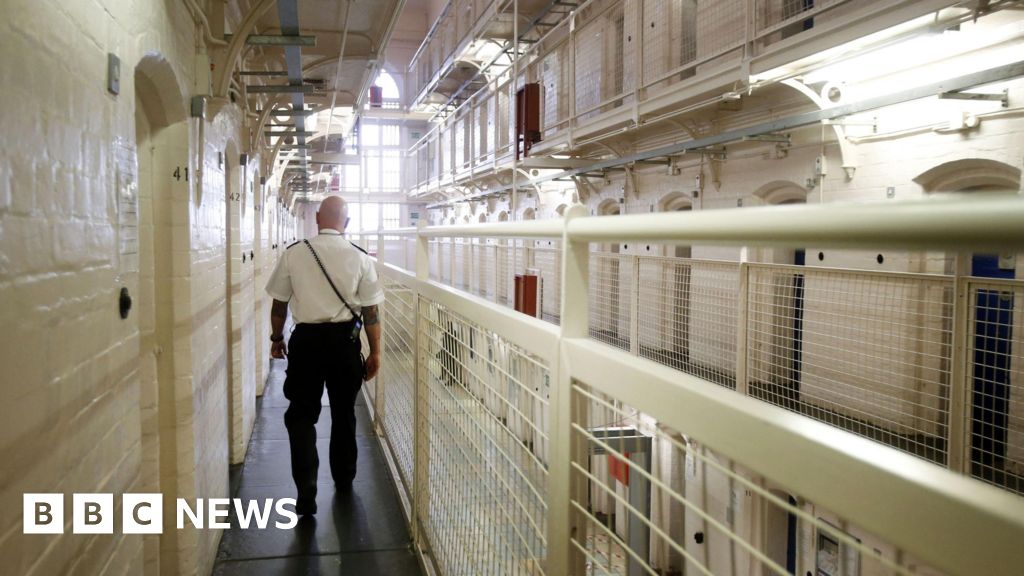
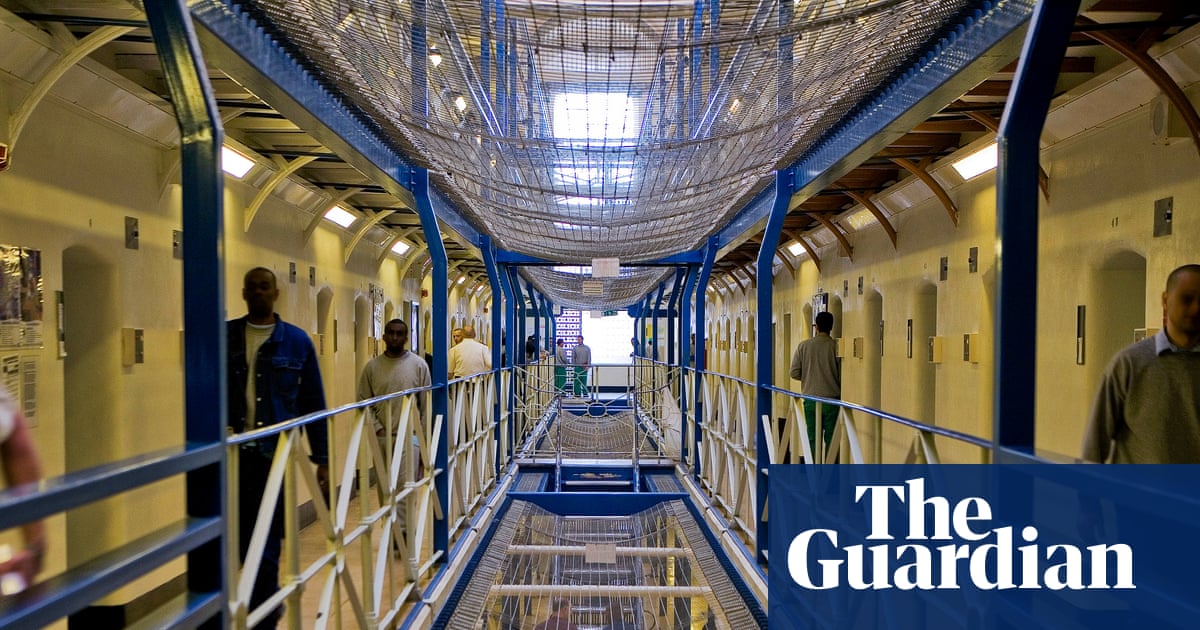
The practical difficulty is prison capacity. BBC figures showed 88,098 people were in custody at the start of the week, with 2,938 usable cells free. One prison officer warned that without the September releases the system could reach full capacity by November.
Key People and Details
PC Harper was 28 when he was killed. Long was sentenced to 16 years, while Bowers and Cole received 13 years each. The BBC reported that Long's more severe sentence is unaffected by the proposed early-release changes, while Bowers and Cole fell within a category that could have moved from serving two-thirds of their terms in custody to becoming eligible after half.
Debbie Adlam, PC Harper's mother, welcomed the pause but pressed ministers to go further. She told ITV News the decision was “a good start”, while stressing that the policy needed a thorough examination rather than a brief delay.
The wider operational challenge is significant. Probation work before release can involve risk assessments, accommodation arrangements, home visits, victim liaison, safeguarding plans and electronic tagging. The Guardian reported warnings from probation representatives that disrupting those preparations could create further confusion if a revised version of the scheme still begins in the autumn.
Reaction and Response
Victims' Commissioner Claire Waxman welcomed the pause and sought urgent clarity about the timetable and protections for victims. Sexual assault survivor Jade Belgrove said the decision brought relief after she had been informed that her attacker might be released earlier.
Conservative leader Kemi Badenoch called for killers, rapists and child abusers to be permanently excluded. Domestic Abuse Commissioner Dame Nicole Jacobs also urged ministers to exclude domestic abusers, arguing that release decisions could expose survivors to renewed risks.
Views inside the prison system were divided. POA general secretary Steve Gillan backed the pause on public-safety grounds, while another prison officer warned that delaying releases could push overcrowded prisons towards a critical capacity point.
What to Watch
The central question is whether ministers will merely delay implementation or change which offenders qualify. Substantial amendments to the Sentencing Act could require Parliament to act, while the government simultaneously faces pressure to prevent prison capacity from tightening again.
The review must also determine what happens to release planning already under way, how quickly victims will receive updated information and whether categories such as offenders convicted of violence against emergency workers or domestic and sexual abuse will face new exclusions. Until those decisions are made, Bowers and Cole's future eligibility under the revised system is unresolved.
FAQ
Why was the prisoner early-release scheme paused?
The government paused it after objections from victims and families who feared serious offenders could leave prison substantially earlier, alongside concerns about public safety and communication with victims.
What happened to PC Andrew Harper?
PC Andrew Harper, 28, was killed in Berkshire in 2019 after becoming caught in a strap attached to a getaway vehicle and being dragged along a road while three teenagers fled following a quad bike theft.
Could PC Harper's killers have been released earlier?
Albert Bowers and Jessie Cole, both jailed for 13 years for manslaughter, could have become eligible earlier under the planned rules. Henry Long's 16-year sentence was not affected in the same way.
How many prisoners were expected to benefit?
Around 700 prisoners were expected to be released in the initial September phase, with about 6,000 potentially benefiting as the scheme expanded.
What happens next with the early-release scheme?
An urgent government review will examine eligibility, timing, public risk and protections for victims. No prisoners will be released under the paused provisions until that review is completed.

Resources
Sources and references cited in this article.