
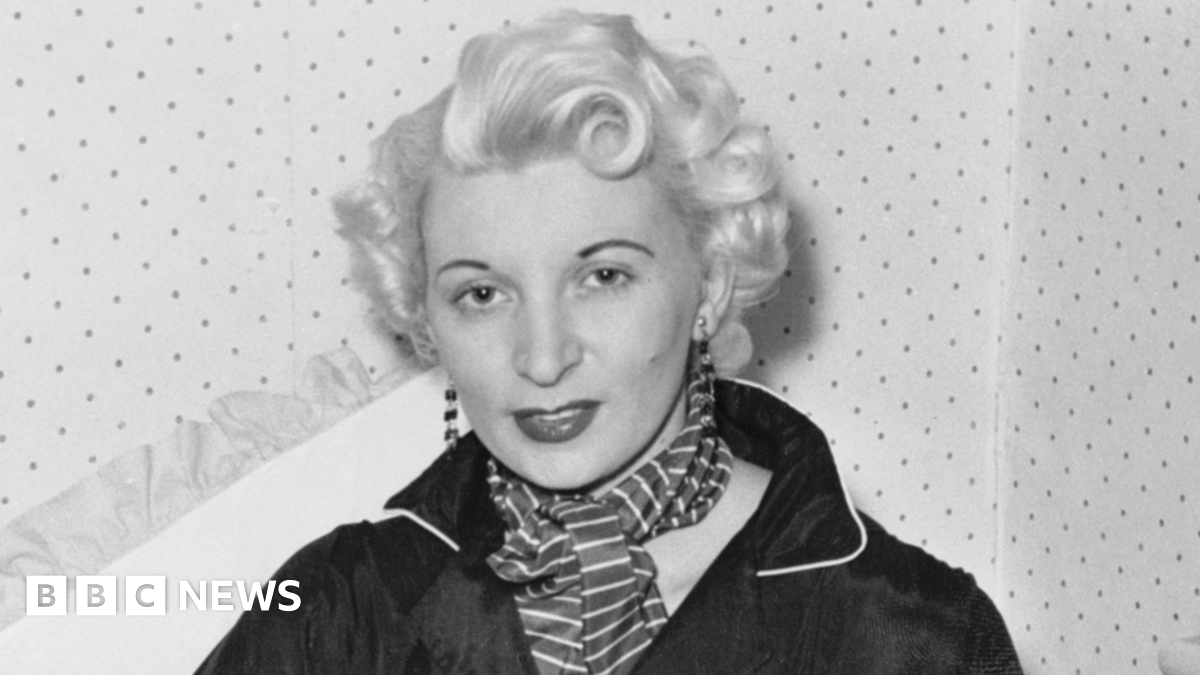
71 years after Ruth Ellis was hanged at Holloway Prison, the last woman executed in the UK has received a posthumous conditional pardon. The decision does not overturn her murder conviction or declare her innocent of killing David Blakely. Instead, it replaces the death sentence with life imprisonment, formally recognising that abuse, trauma and modern legal defences could have produced a different outcome.
The Bottom Line
- The King granted Ruth Ellis a conditional pardon following advice from Deputy Prime Minister and Justice Secretary David Lammy.
- Ellis was convicted of murdering David Blakely on 10 April 1955 and executed on 13 July 1955.
- The pardon does not erase her conviction; it substitutes the death penalty with life imprisonment.
- The government said evidence of domestic abuse, trauma and coercive control might have been understood differently under modern law.
- Four of Ellis's grandchildren brought the application after decades of campaigning by her family and supporters.
Breaking It Down
Ellis shot Blakely outside The Magdala pub in Hampstead after a turbulent relationship marked by infidelity and abuse. The supplied accounts say Blakely physically and emotionally abused her, including punching her in the stomach during an argument that led to a miscarriage. At her trial, the judge told the jury to disregard the fact that she had been badly treated by her lover as a defence.
The case moved with extraordinary speed. Ellis was tried at the Old Bailey on 20 June 1955, and the jury took just 20 minutes to convict her of murder. At the time, that charge carried a mandatory death sentence. She was hanged at Holloway Prison less than a month later, aged 28.
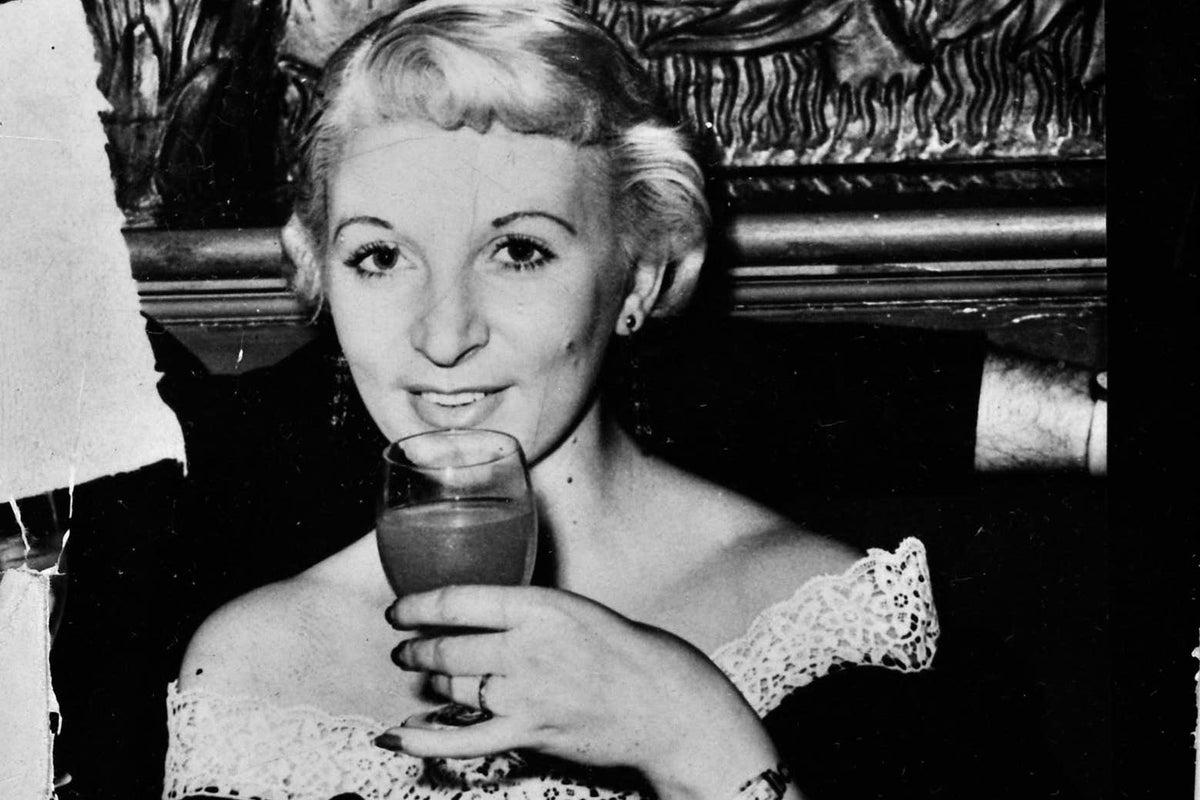
The legal landscape changed soon afterwards. Two years after Ellis's execution, diminished responsibility was introduced as a defence. The government's pardon announcement says a modern court could have considered partial defences of loss of control or diminished responsibility, potentially reducing a murder conviction to manslaughter.
That distinction explains why the pardon is conditional. Under the Royal Prerogative of Mercy, the conviction remains in place, but the sentence is replaced by a lesser penalty. David Lammy told MPs that the decision recognises a profound injustice while making clear that the pardon does not claim Ellis was innocent of killing Blakely.
Why This Matters
The decision reaches beyond one of Britain's most famous criminal cases because it reflects how the justice system's treatment of domestic abuse has changed. The Ministry of Justice said the law now better recognises the impact of intimate partner violence, including coercive and controlling behaviour, on a person's later actions.
For Ellis's family, the pardon also addresses damage that lasted across generations. Her granddaughter Laura Enston said: The shadow of Ruth's execution has fallen across two generations. We have carried shame that was never ours to bear.
She said the pardon does not restore the lives broken by the case, but formally acknowledges that Ellis should not have been executed.
The case had already become part of Britain's wider debate over capital punishment. The supplied reports say public concern over Ellis's execution added to growing opposition to the death penalty, which was later suspended in 1965. The pardon now places the government's view on record: the death sentence in this exceptional case would not have been sustained under modern law.
What Comes Next
No further court process is confirmed in the supplied material. The pardon takes effect as a substitution of sentence, not an acquittal, so Ellis's murder conviction remains unchanged.
The government's stated aim is that the decision brings a measure of peace to her family. Ellis's grandchildren have said they hope her story also serves as a lasting warning about the consequences of failing to recognise sustained abuse.
FAQ
Why was Ruth Ellis granted a pardon?
The government said the case involved exceptional circumstances, including domestic abuse, trauma and coercive control that could have been treated differently under modern law.
Does the pardon mean Ruth Ellis was found innocent?
No. The conditional pardon leaves her murder conviction in place and replaces the death sentence with life imprisonment.
Who was David Blakely?
David Blakely was Ellis's lover and a racing driver. Ellis shot and killed him outside The Magdala pub in Hampstead on 10 April 1955.
When was Ruth Ellis executed?
She was hanged at London's Holloway Prison on 13 July 1955, after being convicted of murder less than a month earlier.
Could Ruth Ellis have faced a different verdict under modern law?
The Ministry of Justice said modern partial defences such as loss of control or diminished responsibility might have been available, potentially reducing murder to manslaughter.