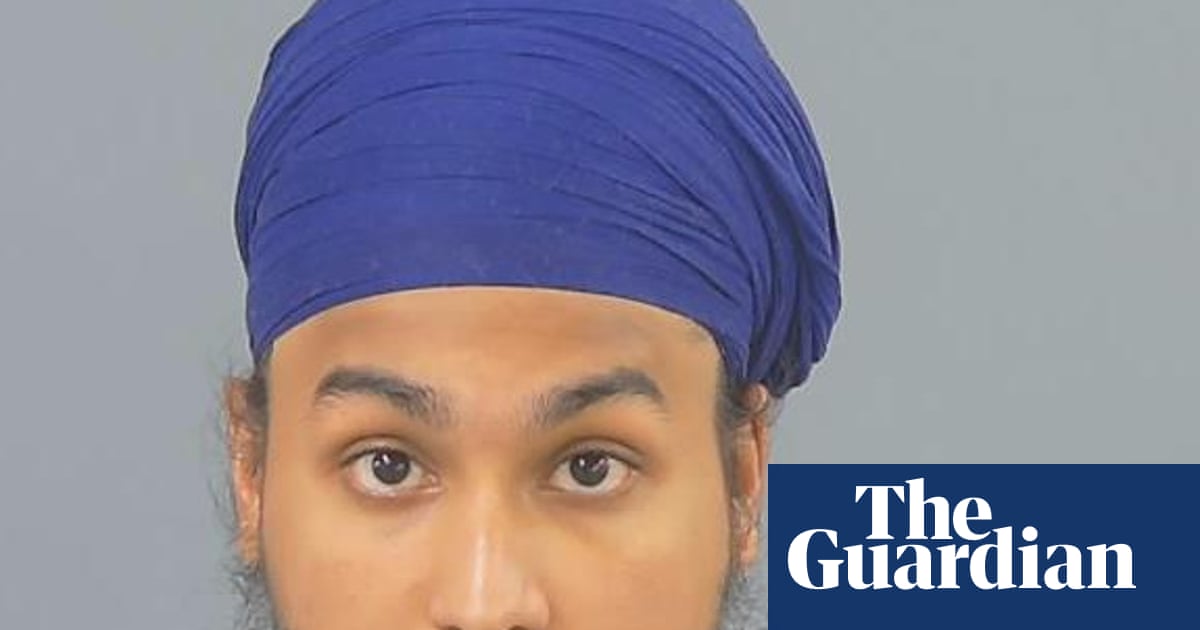
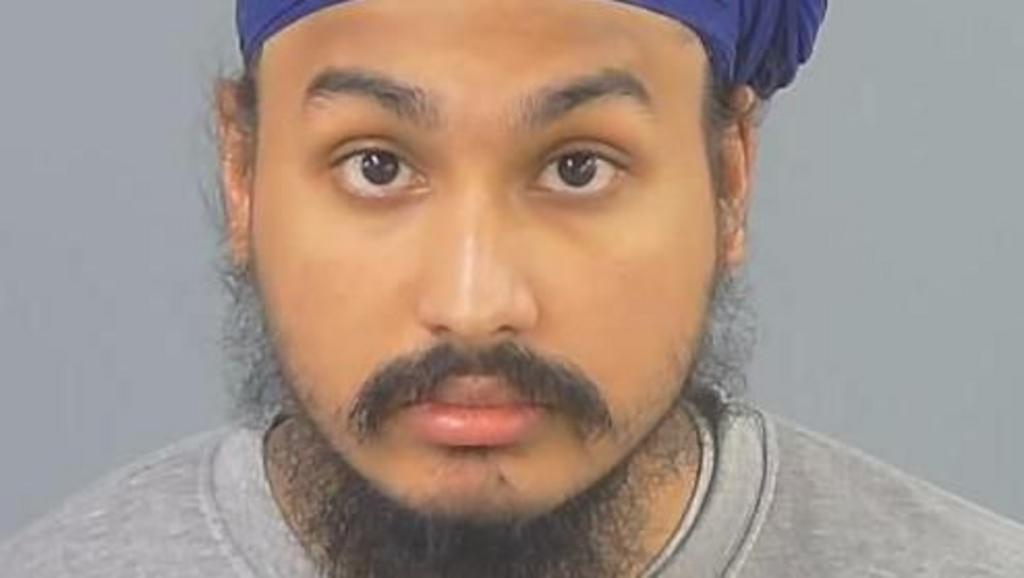
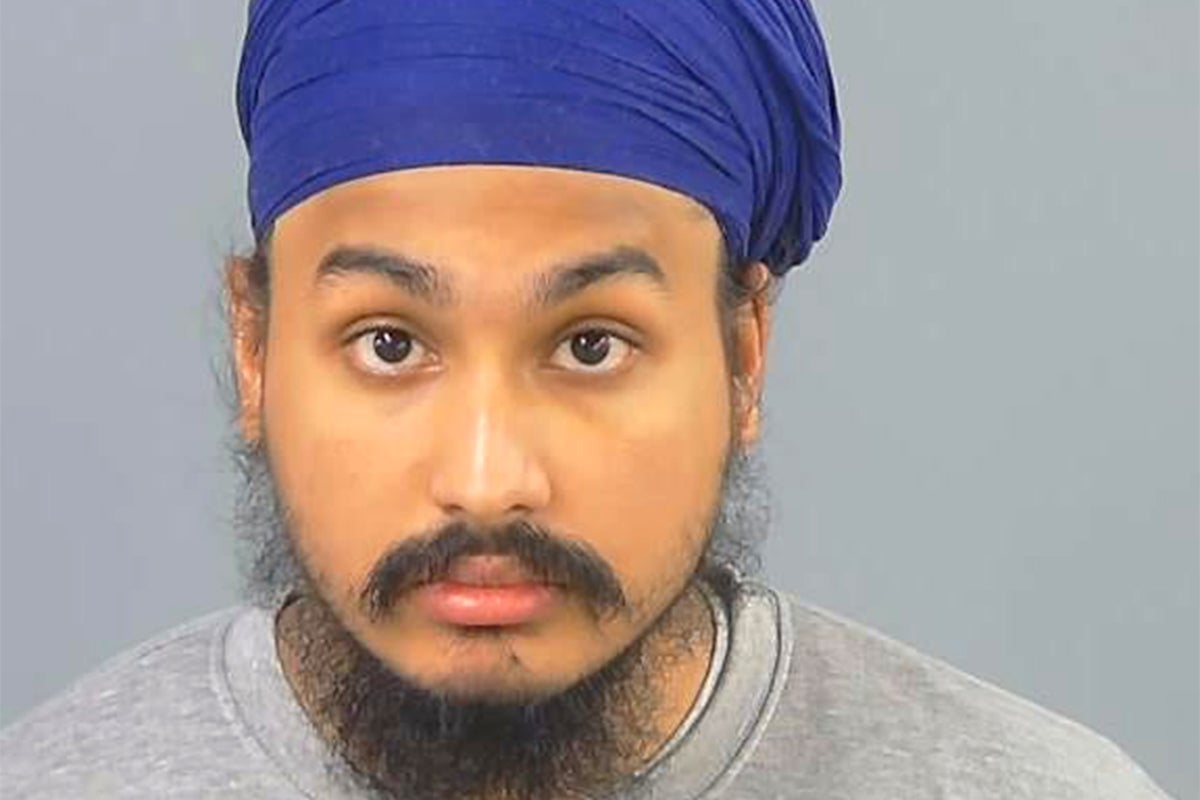
Vickrum Digwa jailed for life after fatal stabbing of student Henry Nowak
A Southampton man has been sentenced to life imprisonment for the murder of student Henry Nowak, a case that has drawn national attention because of the weapon used and the questions raised about events after the attack. The court heard details of a fatal stabbing that left a young student dead and a community searching for answers. Beyond the sentence itself, the case has also prompted scrutiny of police actions in the aftermath. For many readers, the story is about far more than one verdict; it touches on public safety, trust in institutions and the lasting impact of violent crime.
What We Know So Far
Vickrum Digwa was sentenced to life in prison after being convicted of murdering Henry Nowak in Southampton. The victim, a student, died after a stabbing attack that prosecutors described as a deliberate act of violence.
The case received widespread coverage because the weapon involved was reported to be a Sikh ceremonial knife, commonly known as a kirpan. The kirpan is a religious article carried by many practising Sikhs and is recognised within UK law under specific circumstances. The crime has therefore prompted discussion about the distinction between lawful religious observance and criminal misuse of a weapon.
During proceedings, the court examined the circumstances leading up to the attack and the devastating consequences for the victim's family. Henry Nowak's death shocked both fellow students and local residents, many of whom struggled to understand how such violence unfolded.
Meanwhile, another strand of the story emerged after concerns were raised about the treatment of the victim following the incident. A police watchdog investigation has been examining circumstances surrounding the handcuffing of the victim, adding a separate layer of public interest and accountability.
If you have been following the case closely, you might be wondering why it has remained in the headlines for so long. Part of the reason is that it combines several issues that resonate nationally: violent crime, policing standards and the handling of religious symbols. As the saying goes, the devil is in the detail, and each development has generated further questions.
The Response
Family members and supporters of Henry Nowak have welcomed the conclusion of the criminal proceedings while continuing to seek answers about decisions made after the attack. Their focus has been on accountability and ensuring lessons are learned.
Authorities have stressed that the life sentence reflects the seriousness of the offence. The separate watchdog inquiry is expected to establish whether any procedures were followed incorrectly and whether further action is required.
The sentence recognises the gravity of the crime and the loss suffered by the victim's loved ones.
For many observers, the dual focus on criminal justice and police oversight illustrates how modern high-profile cases rarely end with a verdict alone.
What It Means for You
For people across GB, the case highlights ongoing concerns about public safety in towns and cities where students live, study and socialise. Universities, local councils and police forces continue to invest heavily in violence prevention, particularly among younger adults.
The story also serves as a reminder that religious items protected under law remain subject to strict legal scrutiny when used unlawfully. In practical terms, lawful possession does not exempt anyone from criminal responsibility.
What's interesting is that the wider discussion now extends beyond the courtroom. Questions about emergency response, police conduct and community confidence are likely to remain part of the conversation long after the sentencing.
Coming Up
Attention is expected to shift toward the findings of the ongoing watchdog investigation. Any published conclusions could influence future policing procedures and shape recommendations for handling similar incidents.
There may also be continued public discussion about legal protections surrounding religious articles and how those protections interact with criminal law when serious offences occur.
At a Glance
- Vickrum Digwa has been sentenced to life imprisonment.
- Student Henry Nowak died after a fatal stabbing in Southampton.
- The case involved a Sikh ceremonial knife known as a kirpan.
- The murder prompted widespread public and media attention.
- A police watchdog investigation remains under way.
- The case has sparked discussion about safety, accountability and public trust.
Frequently Asked Questions
Who was Henry Nowak?
Henry Nowak was a student who was fatally stabbed in Southampton. His death became the centre of a high-profile criminal case that concluded with a life sentence for the offender.
Who is Vickrum Digwa?
Vickrum Digwa is the man convicted of murdering Henry Nowak. A court sentenced him to life imprisonment following the trial and sentencing process.
What is a kirpan?
A kirpan is a ceremonial blade carried by many practising Sikhs as part of their faith. UK law recognises its religious significance, although criminal misuse remains subject to prosecution.
Why is a police watchdog involved?
The watchdog is examining concerns related to the treatment of the victim after the attack. The inquiry is separate from the murder conviction and focuses on police conduct and procedures.
Does the sentence end all investigations?
No. While the criminal case has reached a conclusion through sentencing, the separate watchdog investigation continues and may produce additional findings.
Why has this case attracted national attention?
The combination of a fatal stabbing, the involvement of a religious article and questions about police actions created broader public interest beyond Southampton.

Resources
Sources and references cited in this article.

