
Last updated: 13 July 2026
At least 20 potentially lethal Iranian-backed plots were identified by MI5 against people in the UK in a single year. That figure sits behind the government's decision to designate Iran's Islamic Revolutionary Guard Corps, alongside two other foreign-linked groups, under new state-threat powers. The change is aimed at support networks, paid intermediaries and proxy actors operating in Britain, not simply at conduct overseas.
The Bottom Line
- Supporting or assisting the IRGC could carry a prison sentence of up to 14 years once the designation is approved.
- Sabotage, including arson carried out on behalf of a designated group, could be punished with life imprisonment.
- The Islamic Movement of Companions of the Right and Russia's GRU Volunteer Corps are being designated at the same time.
- The government says IRGC-linked actors almost certainly directed seven attacks claimed by the IMCR against UK sites linked to Jewish, Israeli and Persian-language communities.
- Parliament is expected to consider the regulations later this week.
Breaking It Down
The legal route opened on 8 July, when the National Security (State Threats) Act 2026 received Royal Assent. The legislation gives the home secretary counter-terrorism-style powers to designate bodies working for, or in the interests of, foreign states when their activity threatens UK security or particular communities. The government says hostile states increasingly use proxies and criminal networks to obscure who directs attacks.
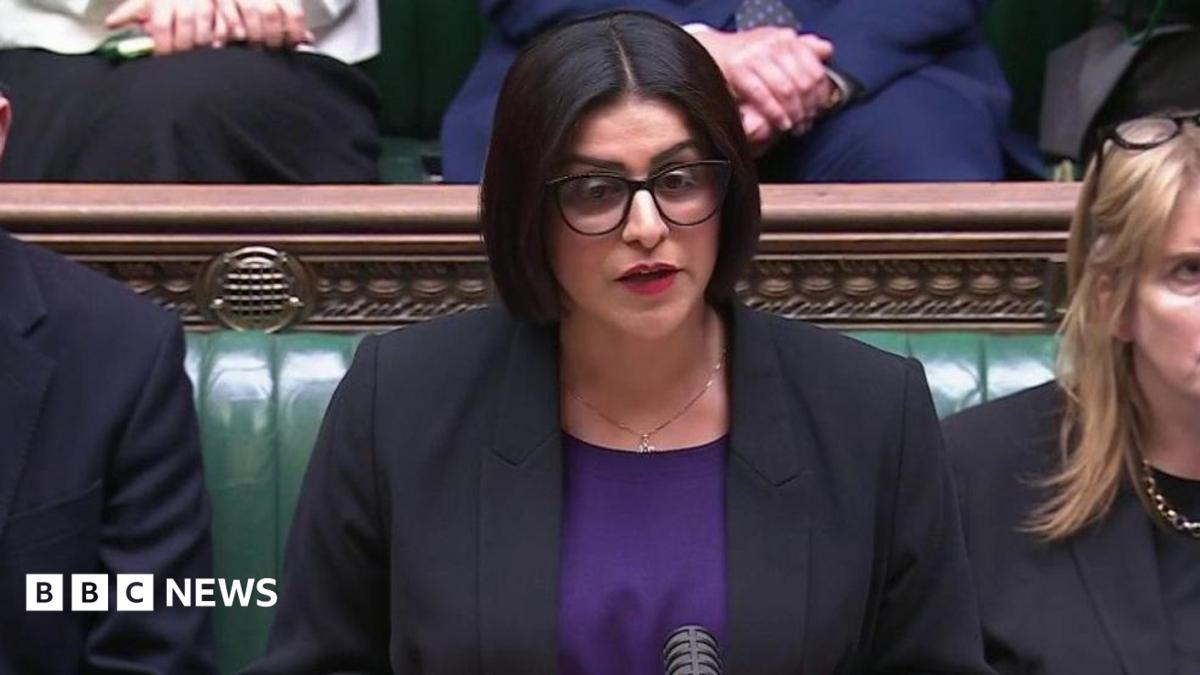
On Monday, Home Secretary Shabana Mahmood announced that the IRGC, the IMCR and the GRU Volunteer Corps would become the first bodies designated under those powers. The government's official statement on the crackdown says support, assistance and material help for the groups could trigger prosecution. Prosecutors would no longer have to prove a foreign-power connection in every case, simplifying cases involving paid intermediaries.
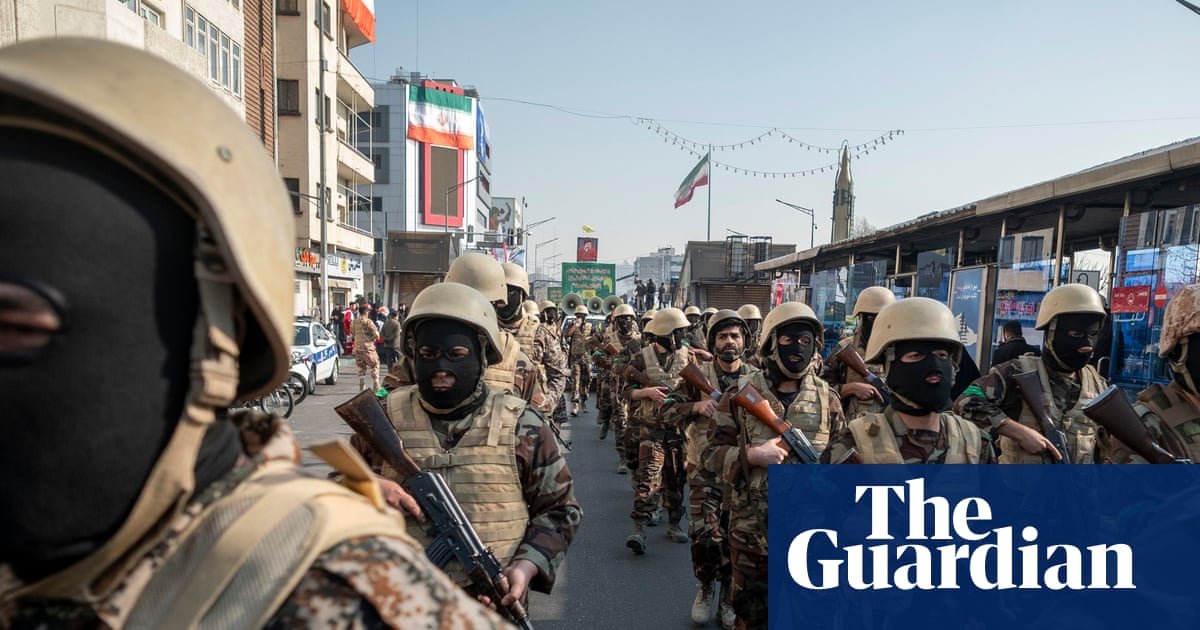
The immediate security context includes seven attacks claimed by the IMCR at locations linked to Jewish and Israeli communities and Persian-language media. One was the antisemitic arson attack on four Hatzola ambulances in Golders Green on 23 March. The government says members of the IRGC Qods Force almost certainly directed the IMCR attacks across Europe, while other reporting cited a plot to assassinate two Iran International journalists and cyber-attacks on British targets.
The designation is similar to proscription under terrorism law but is not legally identical. That distinction matters because the measure was built specifically for hostile state activity. The BBC's account of the announcement says expressing a positive opinion, inviting support or assisting the IRGC could become an offence, while acts of sabotage on a group's behalf could attract much heavier sentences.
- Designation
- A formal decision under the new law that brings a foreign-linked body within special state-threat offences.
- Proxy group
- An organisation or network used to carry out activity for a foreign state while obscuring direct responsibility.
- Foreign-power connection
- The legal link prosecutors would otherwise need to establish between an offence and a foreign state.
Why This Matters
For people in Britain, the practical effect is broader than a diplomatic signal to Tehran. It changes what police and prosecutors can pursue at home, including encouragement, logistical help, payments and conduct that materially assists a designated body. The new law also keeps limited space for legitimate diplomatic or humanitarian contact, and for journalists or charity workers who have a reasonable excuse for receiving information.
The move also responds directly to concern among Jewish communities and Iranian dissidents, both identified in the source material as targets of Iranian-backed activity. The government has paired the legal change with £250 million over three years for policing and protective security in Jewish communities, including more than 500 additional officers and stronger protection around schools, synagogues and community centres. The policy is designed to disrupt organisers and protect likely targets.
Diplomatically, the decision marks a sharper UK stance after years of resistance to a full ban. The Guardian report on the shift says officials had previously warned that action against the IRGC could lead to the expulsion of the British ambassador in Tehran. The government has decided the domestic security case outweighs keeping the relationship unchanged.
What Comes Next
Draft regulations can now be laid before Parliament, which is due to consider them later this week. Once approved, the support and assistance offences will take effect under the new state-threat framework, and police and intelligence agencies will be able to use the strengthened powers against people acting for the three designated groups.
The next confirmed step is parliamentary scrutiny of the designations. The government has not disclosed a precise commencement time for the offences beyond the approval process.
Frequently Asked Questions
Has the UK banned the IRGC?
The government has announced a designation under the National Security (State Threats) Act 2026. It is equivalent to proscription in effect but is not legally identical to a ban under the Terrorism Act.
What could count as supporting the IRGC?
The source material says inviting support, expressing a supportive opinion, assisting UK-related activity or materially helping the organisation could become criminal offences.
What is the maximum prison sentence?
Support or assistance offences could carry up to 14 years in prison. Sabotage, including arson on behalf of a designated group, could carry life imprisonment.
Why is the UK acting now?
The government cites at least 20 potentially lethal Iranian-backed plots in one year, seven attacks claimed by the IMCR and a wider rise in state-backed proxy activity.
Which other groups are being designated?
The Islamic Movement of Companions of the Right and Russia's GRU Volunteer Corps are being designated alongside the IRGC.
Are journalists and charity workers affected?
The new law allows legitimate engagement where there is a reasonable excuse, including certain diplomatic, humanitarian, journalistic and charitable activity.