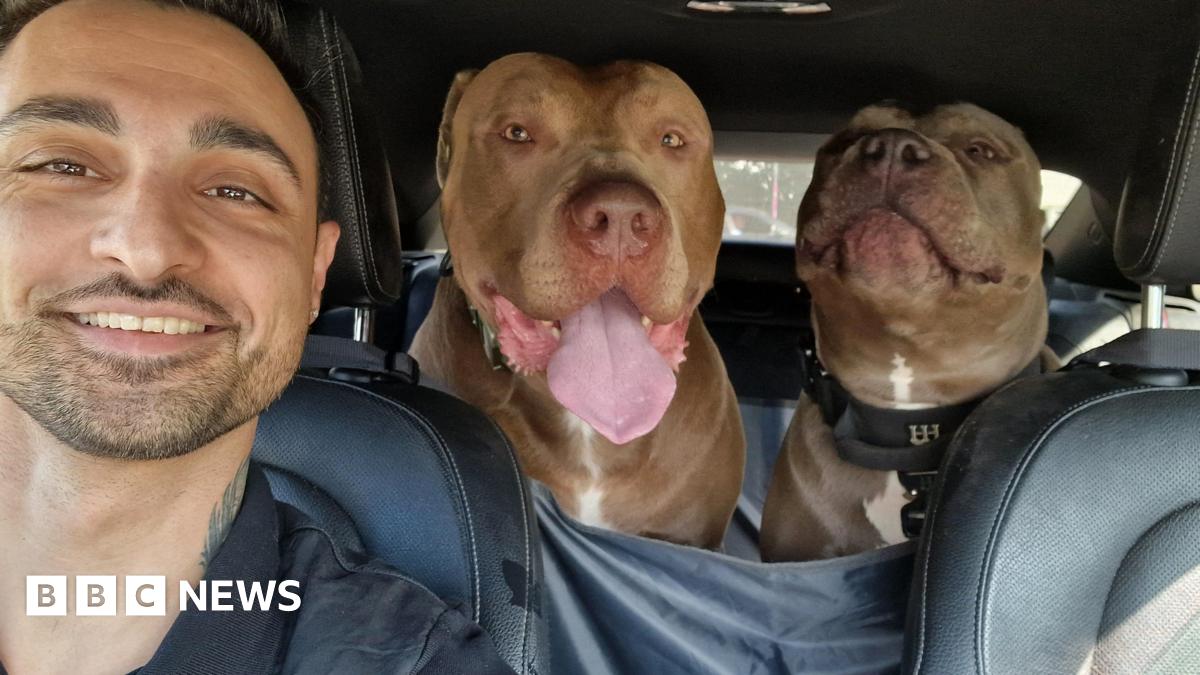
Is the XL Bully ban actually working? Inside the 'horror' kennels holding seized dogs
It has been over a year since the government introduced sweeping restrictions on XL Bully dogs, but for many across Britain, the promised safety remains elusive. Reports are emerging of a system under immense strain, with specialist kennels overflowing and local residents questioning if the streets are any safer. Recent investigations have pulled back the curtain on the grim reality facing both the authorities and the animals caught in the middle of this legal minefield.
Behind the Headlines
The XL Bully ban was fast-tracked following a series of tragic, high-profile attacks that left families devastated and the public demanding action. Under the Dangerous Dogs Act 1991, it became a criminal offence to own an XL Bully in England and Wales without a certificate of exemption. Owners are required to have their dogs neutered, microchipped, and kept on a lead and muzzled in public.
However, the transition hasn't been smooth. The proof of the pudding is in the eating, as they say, and so far, the results are mixed. While thousands of owners complied, a significant number of dogs have ended up in police custody. This has created a massive logistical headache for police forces who are now responsible for 'dangerous' animals while their legal status is debated in court.
Here's What Happened
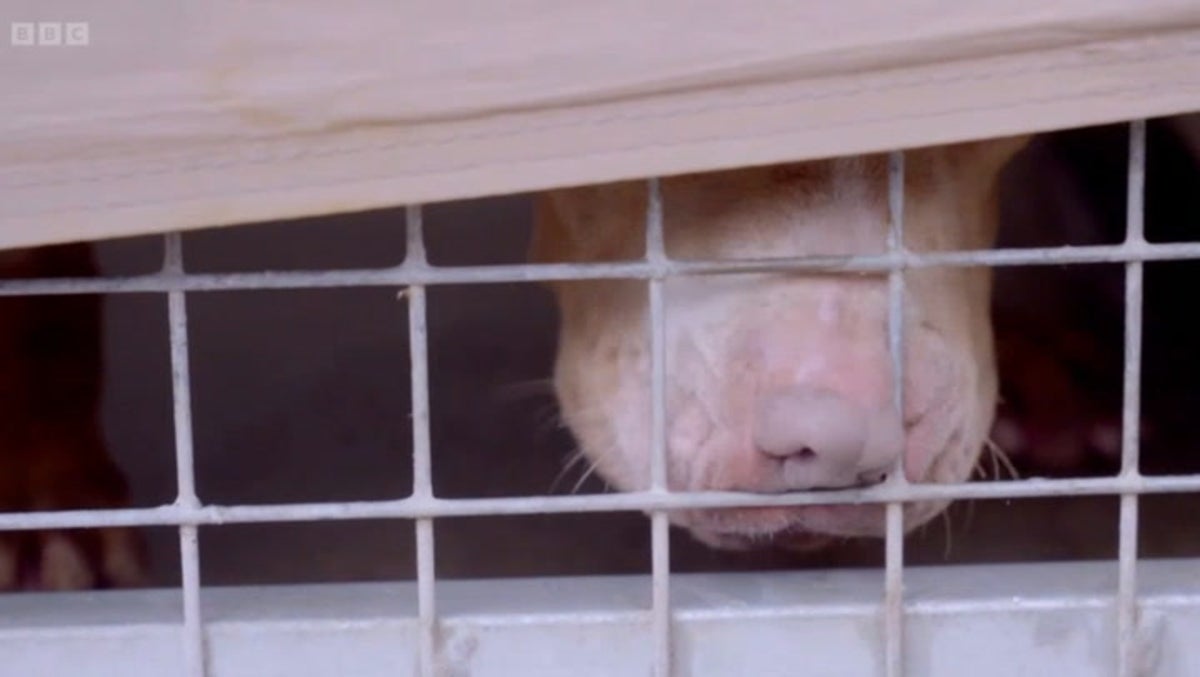
Disturbing footage released by BBC Panorama has revealed the 'horror' conditions inside the specialist kennels used to house seized dogs. These facilities are reportedly packed to the rafters with animals deemed 'dangerously out of control,' some of whom are seen desperately attempting to escape their enclosures while they wait for a final verdict—which often ends in euthanasia.
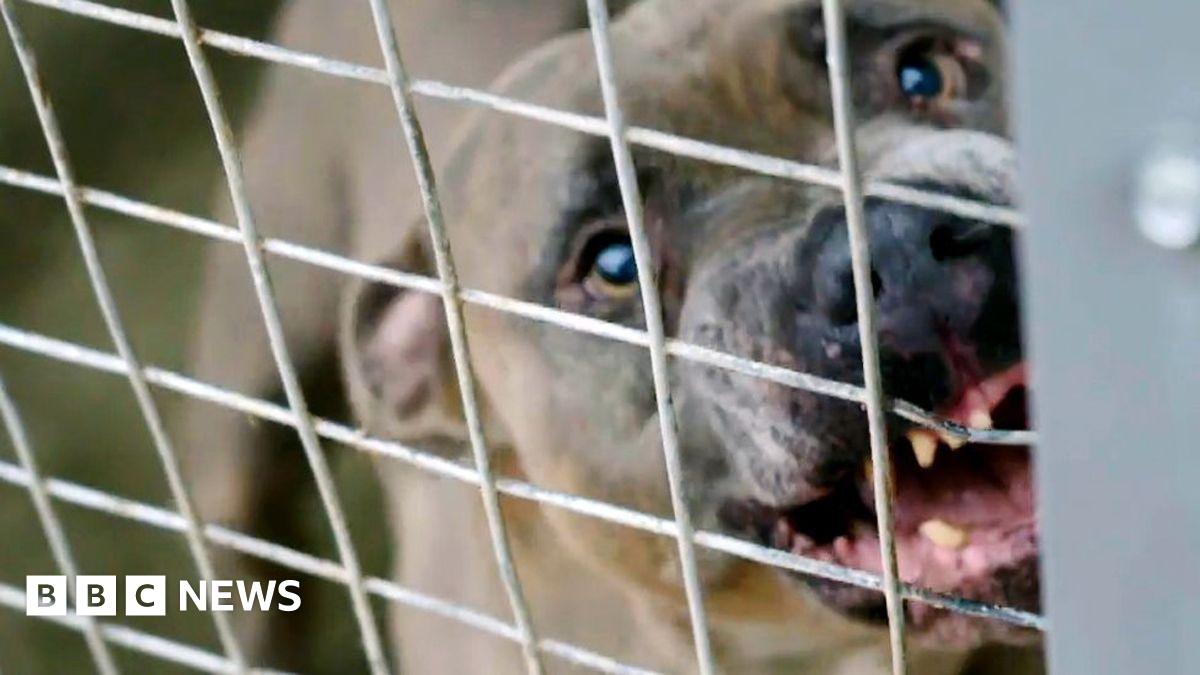
Kennel staff have spoken out about the emotional toll the ban has taken, describing the atmosphere as a 'death row' for dogs. One worker admitted, "I dread the phone ringing," knowing each call likely means another dog being brought in that might never leave. Meanwhile, in Coventry, some owners argue the ban hasn't worked because it targets the breed rather than the 'backstreet' breeders who continue to operate in the shadows.
The cost to the taxpayer is also mounting. Police forces are spending millions of pounds on kennel fees and veterinary costs. Since the ban came into force, the number of dogs seized has skyrocketed, putting an unprecedented 25% increase in pressure on regional animal control budgets compared to previous years.
Voices & Opinions
The debate remains fiercely polarised between those who believe the ban was a necessary public safety measure and those who see it as a failure of animal welfare.
The ban hasn't worked. It’s just pushed the problem underground and left responsible owners living in fear while the real criminals ignore the law.
On the other hand, victims of dog attacks and their families argue that the ban is a vital step in preventing further loss of life. For them, the sight of muzzled dogs in parks is a sign that the law is finally taking their safety seriously, even if the implementation is currently messy.
The Bigger Picture
This isn't just about one specific breed; it's about the effectiveness of UK's Breed Specific Legislation (BSL). Historically, the UK banned the Pit Bull Terrier and three other breeds in 1991, yet dog bite hospitalisations have continued to rise. This suggests that without addressing the 'human end' of the lead—the breeders and owners—simply banning a look or a label may not be the silver bullet the government hoped for.

For the average person in GB, this means potentially higher local taxes to cover police costs and a continued sense of unease in public spaces. The 'horror' kennel stories also highlight a looming mental health crisis for animal welfare workers and police officers who must carry out the legislation's grimmest requirements.
- Exemption Certificate
- A legal document allowing an owner to keep a banned breed under strict conditions.
- BSL (Breed Specific Legislation)
- Laws that ban or restrict certain types of dogs based on their physical appearance.
The Road Ahead
With the BBC Panorama investigation bringing these issues to the forefront, calls for a review of the legislation are growing louder. While there are no confirmed plans to scrap the ban, expect to see more strong pressure on the Home Office to provide better funding for local authorities and more clarity on how to handle the backlog of seized dogs. For now, the 'Bully ban' remains a contentious and costly chapter in Britain's relationship with its pets.
FAQ
Is it still legal to own an XL Bully in the UK?
Only if you have a valid Certificate of Exemption and follow strict rules, including muzzling the dog in public.
What happens if an XL Bully is seized?
The dog is held in secure kennels while police determine if it is a danger or if the owner has breached the law.
Why are the kennels being described as 'horror' facilities?
Due to the sheer number of seized dogs, facilities are overcrowded and many animals face long periods of isolation before being put down.
Has the number of dog attacks decreased since the ban?
Early data is inconclusive, as hospital admissions for dog bites remain high across many regions.
Can I still apply for an exemption?
The general deadline has passed, but in very specific legal circumstances (such as a court order), an exemption may still be granted.

Resources
Sources and references cited in this article.

