
Ireland has published its long-awaited 1926 census records online this week, opening a detailed snapshot of life across the country nearly a century ago. The release is already drawing global attention, particularly from millions claiming Irish ancestry and keen to explore their family history.
For researchers, families and curious browsers alike, the impact is immediate — names, occupations and household details once locked in paper archives are now just a few clicks away. It is a rare window into a newly independent Ireland, and people are diving in fast.
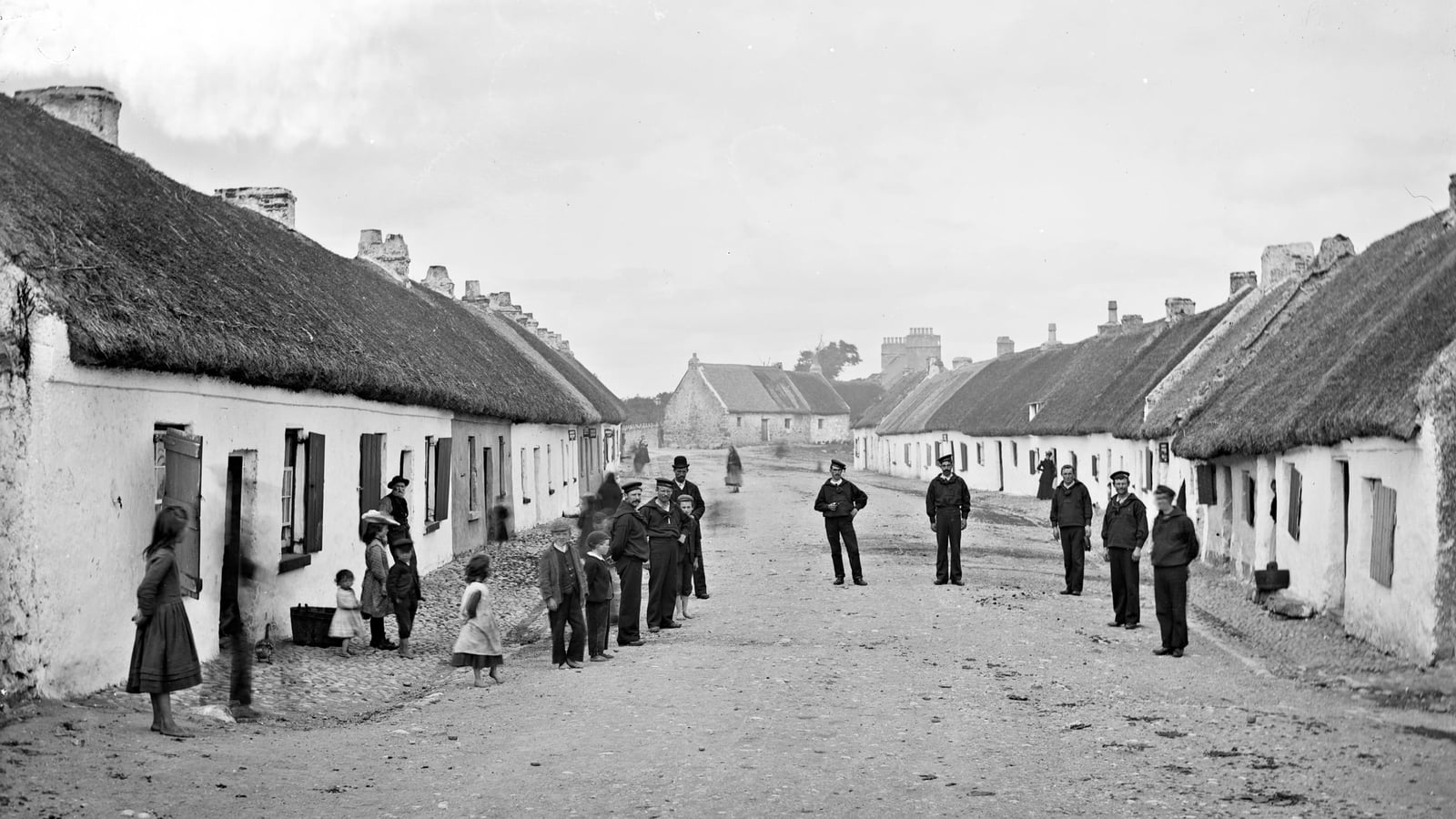
The Full Story
The release of the 1926 census marks a major milestone for Irish historical records. For decades, these documents sat preserved but largely inaccessible, held back by strict privacy rules. Now, thanks to a large-scale digitisation effort, the records are available to the public through searchable online databases.
What makes this census particularly compelling is its timing. Conducted just a few years after the establishment of the Irish Free State, it captures a country finding its footing after independence. You see shifts in identity, religion, and economic life — all reflected in everyday household entries.
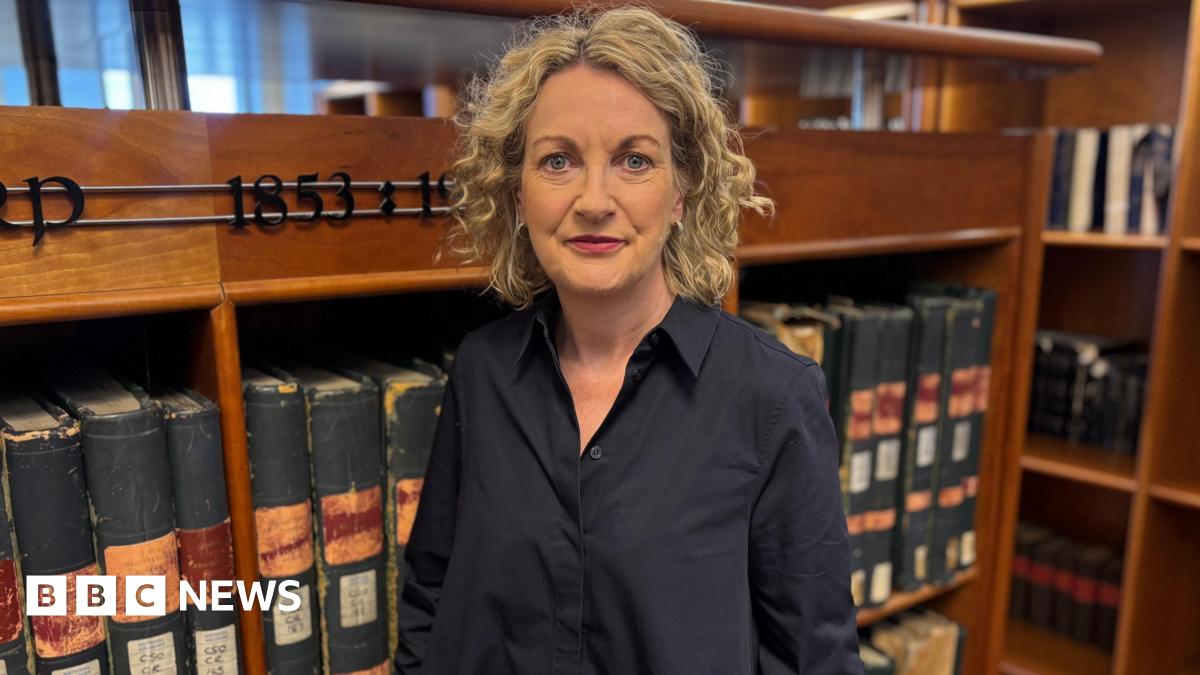
One of the most discussed findings so far is the decline in the Protestant population in the Irish Free State. Historians link this to migration patterns following political upheaval and changing economic prospects. Meanwhile, urban and rural divides become clearer when comparing occupations and living conditions.
And then there are the stories — some striking, some quietly fascinating. Reports from the same weekend reference everything from jewel thefts to violent incidents, painting a vivid backdrop to the census itself. It is not just data; it is lived history.
Who's Involved
The project has been led by Ireland's National Archives, supported by historians, archivists and digital specialists who painstakingly converted fragile paper records into searchable data. Their work has made it possible for millions — from Dublin to London and far beyond — to explore their roots.
Genealogists are also playing a key role, helping people interpret findings and connect dots across generations. For many in Britain, where Irish heritage runs deep, the release feels personal. If you have ever wondered where your grandparents or great-grandparents started out, this is your moment.
By the Numbers
- 1926: Year the census was conducted
- 80 million: Estimated number of people worldwide claiming Irish ancestry
- Millions of records: Individual entries now digitised and searchable
What This Means
This is not just about Ireland. In Britain, where Irish migration has shaped communities for generations, the release resonates strongly. From Liverpool to London, families are already tracing names, addresses and occupations that connect directly to their own stories.
It also adds context to wider social changes. Understanding population shifts, employment patterns and family structures in 1926 helps explain how modern Ireland — and its diaspora — evolved. It is like opening a time capsule, but one where the names inside might be your own.
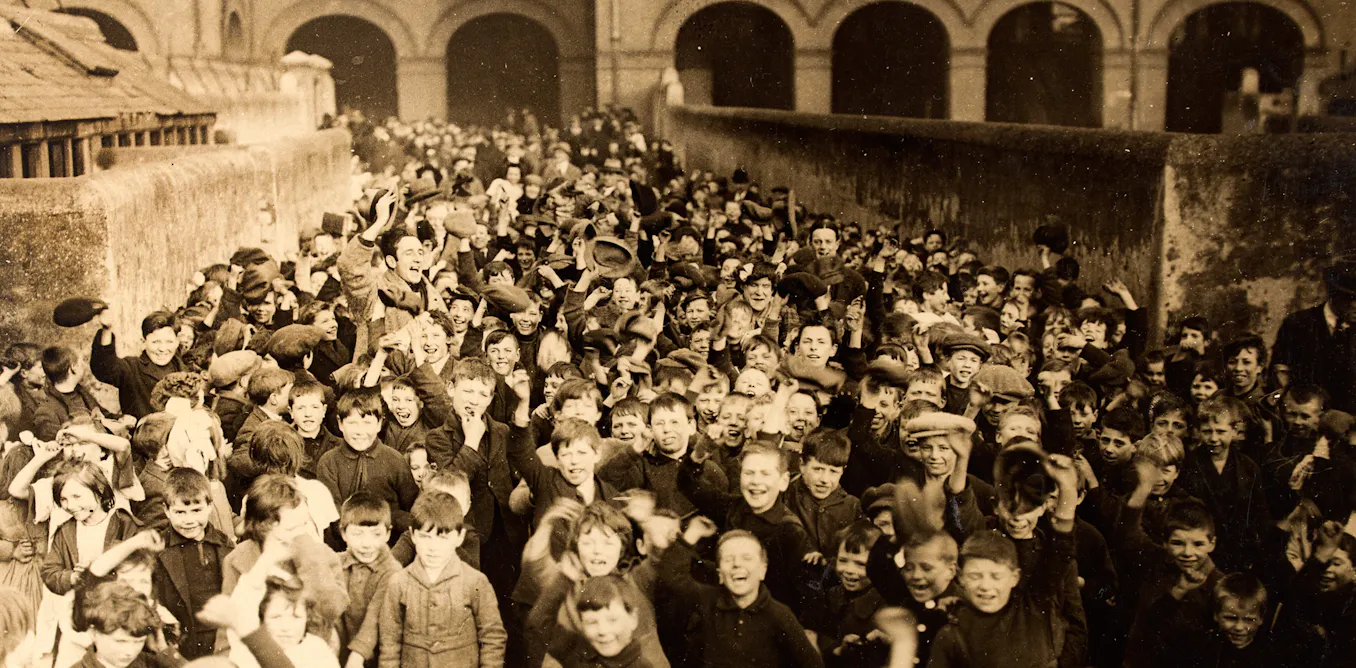
There is also a practical angle. People researching citizenship, family claims or academic projects now have access to verified historical data that was previously difficult to obtain.
What to Expect
Interest is expected to grow steadily in the coming weeks as more people learn about the release. Archives officials anticipate heavy usage, particularly as tutorials and guides help users navigate the system.
Meanwhile, historians will continue analysing the data, uncovering new insights about life in 1920s Ireland — from migration trends to economic conditions.
FAQ
How can I search the 1926 Irish census?
You can access the records through official online archives, where entries are searchable by name, location and household details. Most platforms offer guided search tools.
What information is included in the census?
The records include names, ages, occupations, religion and household relationships. This gives a detailed view of family structures and daily life in 1926.
Why is the 1926 census so important?
It captures Ireland shortly after independence, offering insights into social and demographic changes during a pivotal period in the country's history.
Can people in the UK benefit from this release?
Yes — many families in Britain have Irish roots, and the census can help trace ancestry and understand migration patterns that shaped UK communities.
Is the census free to access?
Access depends on the platform hosting the records, but many official archive services provide free or low-cost entry to search basic details.