
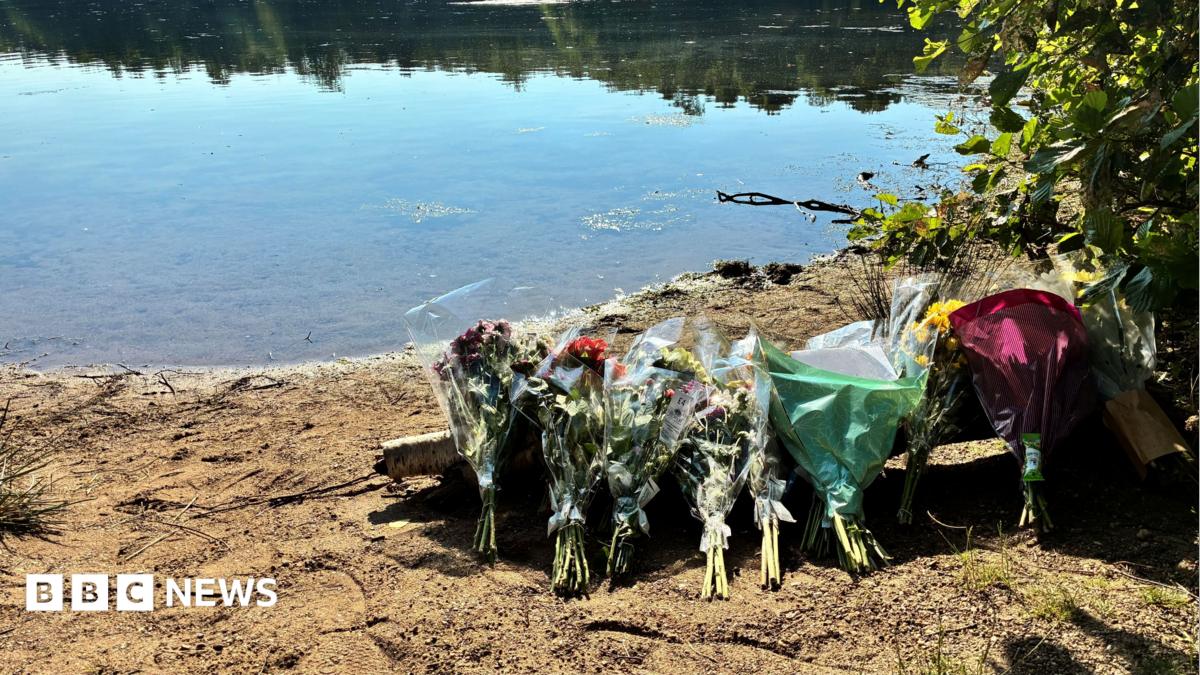
Emergency crews rushed to Swanholme Lakes as a summer evening turned into another tragedy for Lincoln. A 16-year-old boy was recovered from the water on Thursday, 9 July, and initially responded to treatment before dying in hospital at 20:50, with his parents beside him. His death came less than seven weeks after 15-year-old Declan Sawyer drowned at the same nature reserve on 24 May. A file will now be passed to the coroner while police continue inquiries into the circumstances.
How Events Unfolded
Lincolnshire Police received a concern-for-safety report at about 17:48 on Thursday. Officers attended alongside Lincolnshire Fire and Rescue and East Midlands Ambulance Service, and the teenager was recovered from the lake.
He was treated at the scene and taken to hospital. Police said he initially responded to treatment, but despite the work of emergency services and hospital staff, he died at 20:50. His parents were with him.
The force asked the public not to speculate or circulate unofficial information, warning that inaccurate claims could cause further distress to relatives and friends. Police inquiries are continuing, and a report will be sent to the coroner.
The incident followed the death of Declan Sawyer, who got into difficulty at Swanholme Lakes on 24 May. An inquest found that Declan died from drowning. His death had already prompted calls for stronger ranger coverage and further safety measures across Lincoln's parks.
Digging Deeper
The repeated incidents have sharpened attention on the risks hidden beneath calm-looking open water. Lincolnshire Police said underwater conditions can be unpredictable and potentially life-threatening, particularly when people enter lakes to cool down during hot weather.
The Royal Life Saving Society advised people to use supervised swimming locations with lifeguards where possible. It also recommended entering water slowly to reduce the risk of cold-water shock.
- Cold-water shock
- A sudden physical reaction after entering cold water that can affect breathing and movement.
- Open water
- Natural or outdoor water such as lakes, rivers and reservoirs, where depth, temperature and underwater hazards may be difficult to judge.
- Coroner
- An independent official who investigates certain deaths and may hold an inquest to establish how a person died.
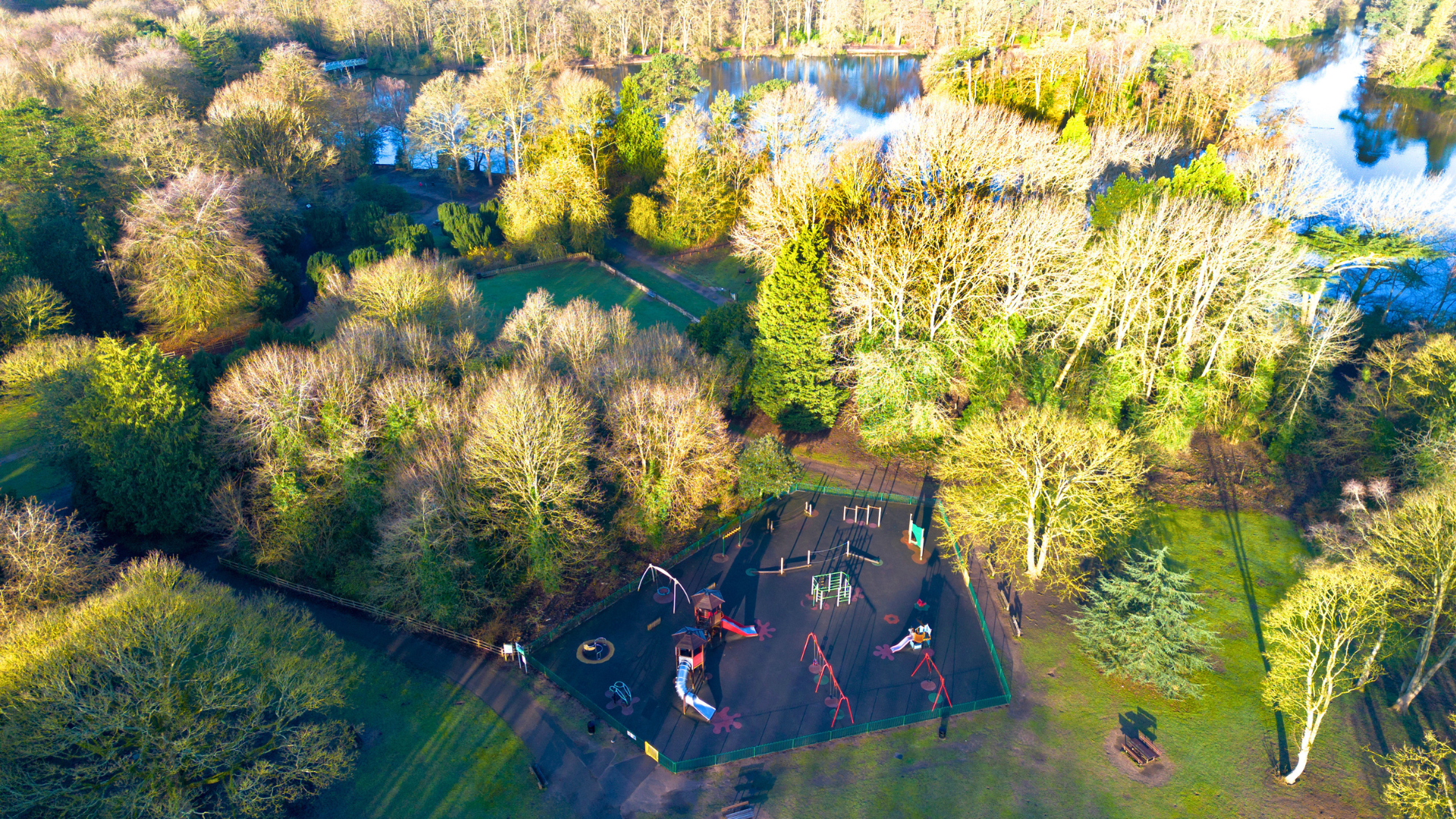
Before the latest death, City of Lincoln Council had announced proposals for a patrolling warden trial across busy parks, lakes and open spaces. The scheme is due to be considered by the council's Executive Committee on 14 July 2026.
Wardens would speak with visitors, discourage open-water swimming and antisocial behaviour, and record patterns of unauthorised activity. They could carry lifesaving equipment, although they would not be trained lifeguards and would not enter the water.
What People Are Saying
Lincolnshire Police issued a direct warning as warm conditions encouraged more people towards outdoor water.
While many people are looking for ways to cool down in the heat, we also want to remind everyone of the dangers of swimming in lakes and open water. Conditions beneath the surface can be unpredictable and potentially life-threatening.
Council leader Naomi Tweddle said the proposals were intended to provide a visible presence while improving education and cooperation with specialist water-safety organisations.
These proposals are about taking positive action now. By strengthening our work with specialist water safety partners and introducing a visible warden presence across some of our busiest sites, we hope to improve safety, provide reassurance to visitors and help protect these important spaces for everyone to enjoy.
Declan's father, Carl, had also urged families to discuss the risks surrounding rivers and lakes after his son's death, describing the teenager as funny, outgoing and deeply loved by friends and relatives.
Putting It in Perspective
Two teenage deaths at one nature reserve within seven weeks have turned a local safety discussion into an immediate test for the council. The proposed patrols cannot remove the physical dangers of open water, but they could place staff at busy locations to challenge risky behaviour and reinforce warnings before someone enters.

The plan would extend beyond Swanholme Lakes to Hartsholme Country Park, the Arboretum, Boultham Park and the Commons. Patrols would focus on the busiest times and locations, with evidence gathered to help decide whether longer-term rules or safety changes are justified.
For families across Britain, the case carries a wider warning: a lake that appears still from the bank can contain sudden depth changes, cold water and unseen hazards. The clearest advice in the supplied guidance is to choose supervised locations and avoid assuming that previous swimming experience makes an unsupervised lake safe.
Looking Ahead
The council's Executive Committee is scheduled to consider the warden proposal on 14 July. If approved, the pilot would begin during the summer and continue until the end of October, with its effectiveness reviewed before any permanent decisions are taken.
The authority will also continue working with the Lincolnshire Water Safety Partnership, whose members include Lincolnshire Fire and Rescue, Lincolnshire Police, the RNLI and the Environment Agency. The group will examine education, public awareness, safety equipment and other practical measures.
Separately, police inquiries into the 16-year-old's death remain ongoing, and the coroner will receive a file concerning the incident.
Frequently Asked Questions
What happened at Swanholme Lakes in Lincoln?
A 16-year-old boy got into difficulty in the lake on 9 July 2026. Emergency crews recovered him and took him to hospital, where he died at 20:50 despite initially responding to treatment.
Was there another recent death at the same lake?
Yes. Declan Sawyer, aged 15, drowned at Swanholme Lakes on 24 May 2026, less than seven weeks before the second teenager died.
Why can open-water swimming be dangerous?
Police warned that conditions beneath the surface can be unpredictable and life-threatening. Risks described in the supplied reports include cold-water shock and hazards that are not visible from the bank.
What safety measures are being considered in Lincoln?
City of Lincoln Council will consider a pilot using patrolling wardens to speak with visitors, discourage open-water swimming and antisocial behaviour, and collect evidence about activity in parks and lakes.
When will the council decide on the warden scheme?
The proposal is due to be considered by the council's Executive Committee on 14 July 2026. If approved, the trial would run through the summer until the end of October.