
For many in the UK’s Sikh community, Baisakhi isn’t just a festival — it’s a deeply personal moment tied to identity, faith and heritage. So when news breaks that thousands of pilgrims are travelling across borders to mark it, it resonates far beyond South Asia. This year, Pakistan has issued over 2,800 visas to Indian Sikh pilgrims, opening the door for a significant religious journey. The group is set to cross into Pakistan via Attari from April 10, kicking off a 10-day pilgrimage.
Setting the Scene
Baisakhi marks the founding of the Khalsa in 1699 — a defining moment in Sikh history. It’s both a harvest festival and a spiritual milestone, celebrated with prayer, processions and community gatherings.
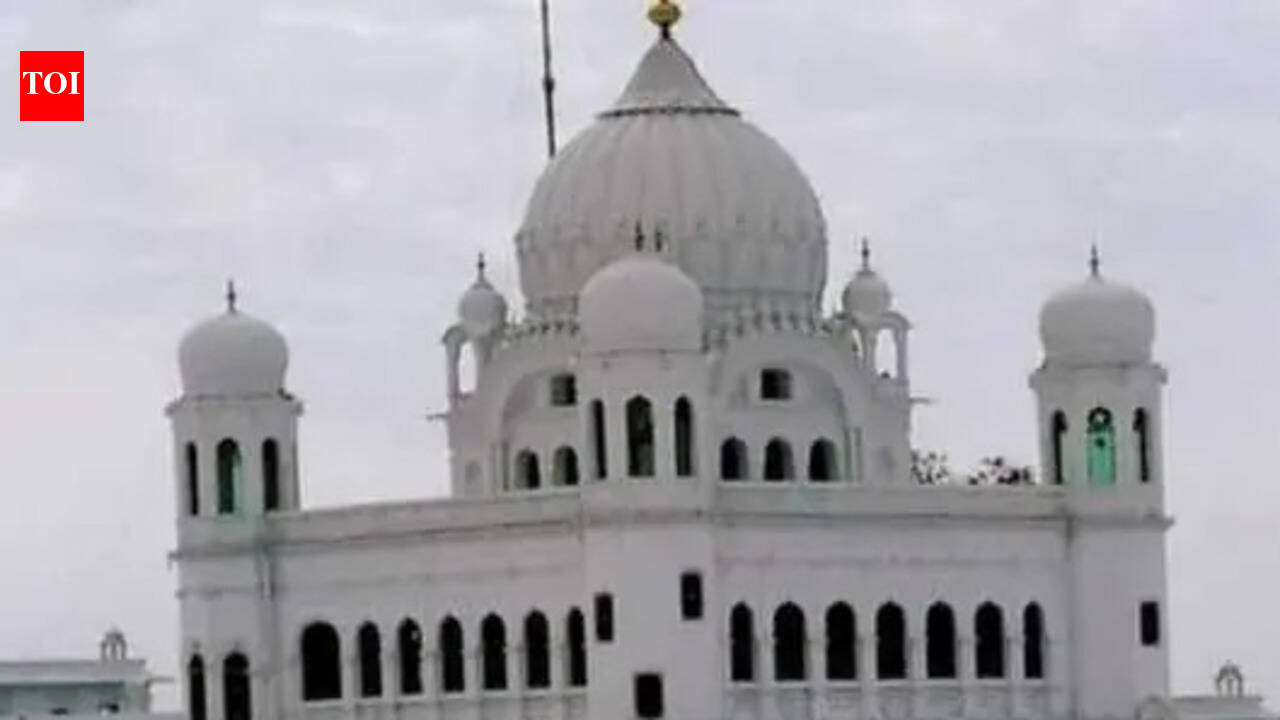
But here’s where it gets more layered. Some of Sikhism’s holiest sites — including Gurdwara Darbar Sahib in Kartarpur — lie in present-day Pakistan. That means, for many devotees, the journey involves crossing an often politically sensitive border.
Over the years, such pilgrimages have become symbolic bridges between India and Pakistan. Despite strained relations, both countries have maintained arrangements allowing religious visits, albeit in controlled numbers.
Here's What Happened
This year, Pakistan has approved around 2,800 visas for Indian Sikh pilgrims to attend Baisakhi celebrations. The group will travel in a jatha — an organised religious delegation — departing from Attari on April 10.
The pilgrimage is expected to last around 10 days, with visits to key religious sites including Nankana Sahib, the birthplace of Guru Nanak, and other historic gurdwaras.

Interestingly, the number of visas granted often becomes a talking point. Requests typically exceed approvals, and negotiations can be delicate. This year’s figure signals a relatively accommodating stance compared to previous years.
If you’re following this closely, you’ll know the logistics are no small feat. From security clearances to transport coordination, both governments work behind the scenes to ensure the pilgrimage proceeds smoothly.
Reactions & Responses
Officials on both sides have framed the move as a gesture of goodwill. Religious leaders, meanwhile, have welcomed the development, emphasising the importance of uninterrupted access to sacred sites.
The pilgrimage holds immense spiritual significance for devotees and strengthens cultural ties
Within diaspora communities, including in the UK, the response has been equally positive. Many see it as a reminder that shared heritage can sometimes cut through political noise.
Meanwhile, community groups have been sharing updates and travel information online, helping families stay connected with those making the journey.
The Bigger Picture
Beyond the immediate celebrations, this pilgrimage reflects something broader: religion as a rare point of cooperation between two often adversarial neighbours. It’s not quite a thaw in relations, but it’s certainly a moment of practical collaboration.
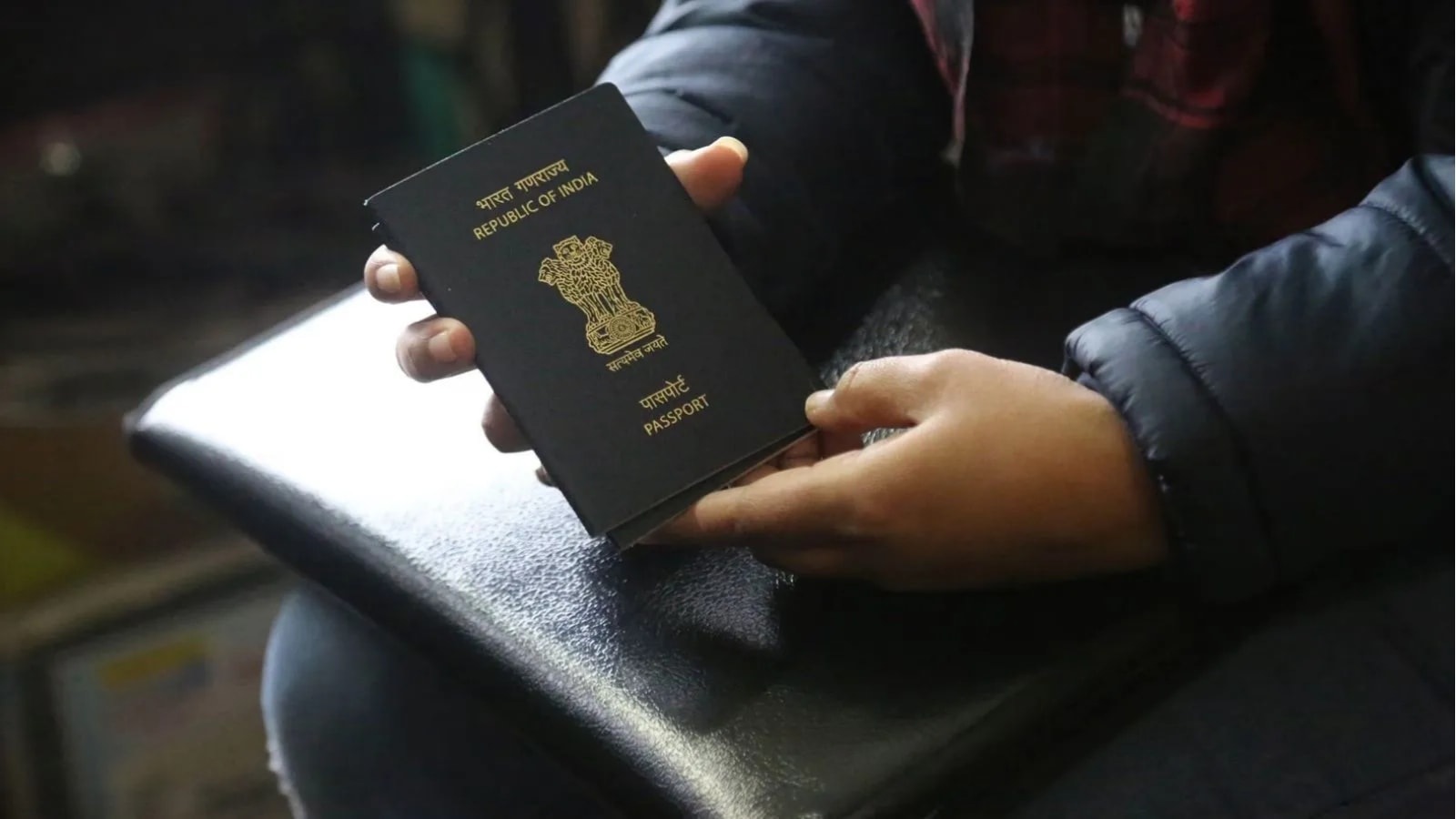
For British Sikhs, many of whom have family roots in Punjab, these journeys carry emotional weight. Visiting historic gurdwaras isn’t always straightforward, so every visa granted matters.
There’s also a cultural ripple effect. Events like these often inspire local celebrations in UK cities such as Birmingham and London, where large Sikh communities mark Baisakhi with parades and community meals.
- Jatha
- An organised group of pilgrims travelling together for a धार्मिक or cultural purpose.
- Gurdwara
- A Sikh place of worship, central to community and spiritual life.
The Road Ahead
The pilgrimage is set to proceed over the coming days, with key religious ceremonies scheduled across multiple sites in Pakistan. Authorities will monitor the movement closely, ensuring safety and coordination.
Looking ahead, many will be watching whether future pilgrimages see expanded quotas — or if this remains a carefully managed exception. As the saying goes, every little helps, especially when it comes to keeping traditions alive across borders.
FAQ
What is Baisakhi?
A major Sikh festival marking the founding of the Khalsa in 1699, celebrated with religious ceremonies and community events.
Why do Sikh pilgrims travel to Pakistan?
Several of Sikhism’s most sacred sites, including Nankana Sahib, are located in Pakistan.
How many visas were issued this year?
Pakistan issued over 2,800 visas to Indian Sikh pilgrims for the 2026 Baisakhi pilgrimage.
When does the pilgrimage start?
The group is scheduled to depart on April 10, with a 10-day itinerary.
Does this affect UK Sikhs?
Yes, many UK Sikhs have cultural and religious ties to these sites, making such pilgrimages highly significant.