
For readers in the UK, this is more than a quirky wildlife tale — it raises real questions about ecosystems, pet ownership, and how species travel thousands of miles. A critically endangered Mexican axolotl has been found in Wales, far from its natural habitat. The discovery, made by a young girl under a bridge, has since sparked both fascination and concern. How did it get there — and what does it mean for local wildlife?
Setting the Scene
The axolotl, often dubbed the “walking fish”, is actually a type of salamander native to lakes around Mexico City. In the wild, it’s hanging by a thread. Experts estimate fewer than 1,000 individuals remain in its natural habitat, largely due to pollution and urban expansion.
So when one suddenly appears in a Welsh river, it’s not just unusual — it’s extraordinary. It’s a bit like spotting a kangaroo in Kent. These creatures aren’t built for British waters, which makes their survival here both surprising and worrying.
Axolotls have become popular as exotic pets, thanks to their unusual look and ability to regenerate limbs. But that popularity has a downside: some end up released into the wild when owners can no longer care for them.
Here's What Happened
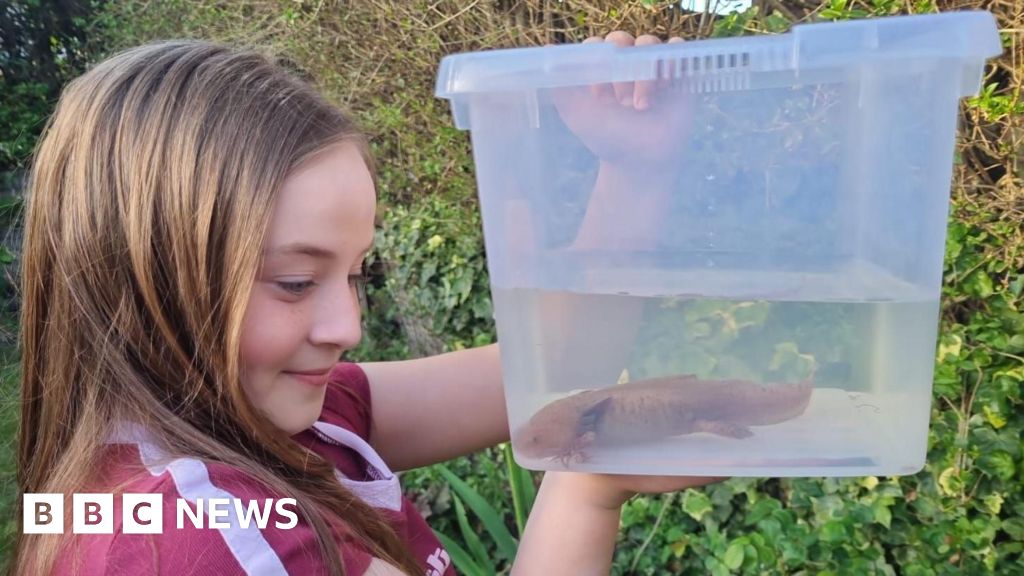
The story began when a 10-year-old girl stumbled across the creature beneath a bridge in Wales. At first glance, it looked like something out of a science fiction film — pale, frilled gills, and a permanent smile.
Local rescuers were quickly alerted, and the animal, later nicknamed “Dippy”, was safely removed from the river. It had suffered injuries, likely from exposure to unsuitable conditions and possible predators.
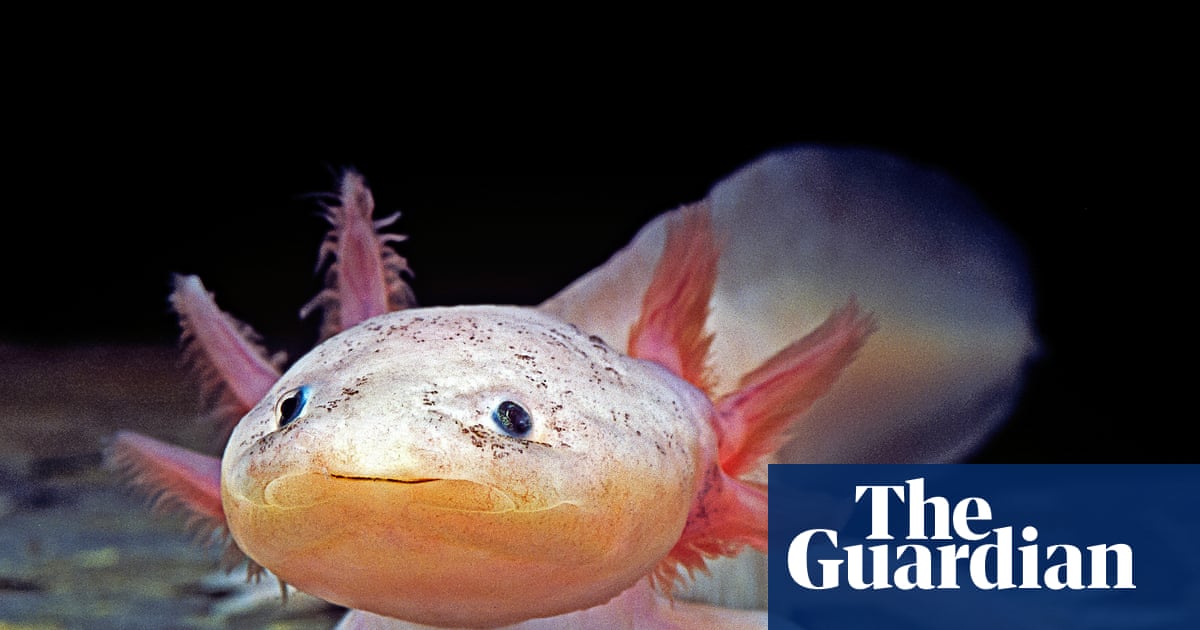
Veterinary checks confirmed the species — a Mexican axolotl, thousands of miles from home. The likely explanation? It was once a pet, released into the wild. Whether intentional or accidental, such actions can have serious ecological consequences.
And here’s the twist — despite its injuries, Dippy survived long enough to be rescued, showing just how resilient these animals can be, even in foreign environments.
Reactions & Responses
Wildlife experts didn’t hold back their concern. The presence of a non-native species in UK waters can disrupt delicate ecosystems, especially if it competes with native amphibians.
This animal simply shouldn’t be here. It’s a sign that people are releasing pets without understanding the consequences.
Meanwhile, the public response has been mixed — part amazement, part worry. Social media lit up with images of the unusual find, with many calling it “adorable” while others questioned how such a rare species ended up in a Welsh river.
There’s also a broader conservation angle. Axolotls are critically endangered in the wild, so every individual matters. Losing them to improper handling or release only deepens the crisis.
The Bigger Picture
This isn’t just a one-off oddity. It highlights a growing issue in the UK: exotic pets being released into the wild. From terrapins in ponds to snakes in suburban parks, these cases are becoming more frequent.

For Britain, the risks are twofold. First, non-native species can harm local wildlife. Second, many of these animals suffer because they’re not suited to UK conditions. Cold temperatures, unfamiliar predators, and lack of proper food sources can be fatal.
There’s also a legal angle. Releasing non-native species into the wild can breach environmental regulations, though enforcement remains patchy. It’s a classic case of good intentions gone wrong.
The Road Ahead
Dippy is now recovering under specialist care and is expected to live out its days in a controlled environment. For conservationists, the focus shifts to awareness — educating pet owners about responsibility.
As for the young girl who made the discovery, her find has sparked a nationwide conversation. And if you’re following this, you might be wondering: could it happen again? The answer, experts say, is yes — unless habits change.
FAQ
What is a Mexican axolotl?
A critically endangered amphibian native to lakes near Mexico City, known for its ability to regenerate body parts.
Why was the axolotl found in Wales?
Experts believe it was a pet that had been released into the wild.
Is it illegal to release exotic pets in the UK?
Yes, releasing non-native species can breach environmental laws.
Can axolotls survive in UK rivers?
Not typically. The conditions are unsuitable and often lead to injury or death.
What happened to the rescued axolotl?
It is currently recovering in specialist care and will not be returned to the wild.