
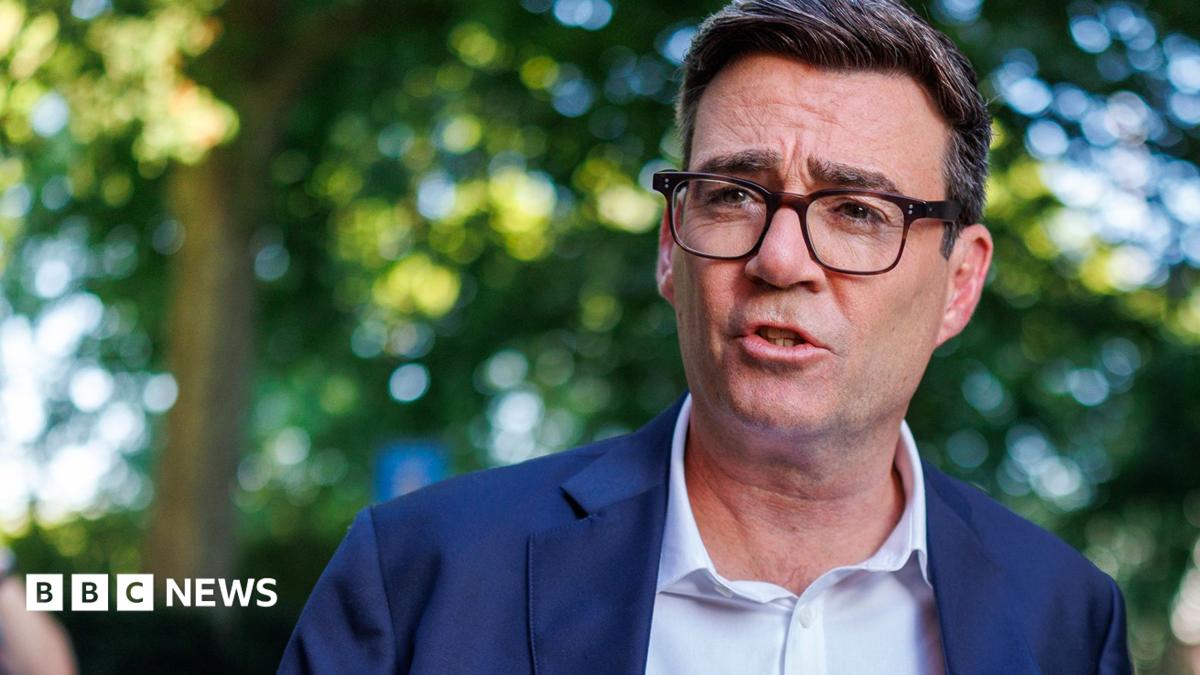
Britain is days away from a change of prime minister, making Labour's leadership transition a direct concern for households, businesses and public services across the UK. Andy Burnham has secured nominations from 349 Labour MPs, leaving no mathematical route for a rival to reach the required threshold. He is expected to be confirmed as Labour leader on Friday and to become prime minister on Monday, 20 July, after Sir Keir Starmer formally resigns.
The Backstory
Burnham returned to Westminster only three weeks ago after winning the Makerfield by-election. His victory came after heavy Labour losses in May's local elections, which intensified pressure on Starmer to step aside. Starmer resigned as party leader on the same day Burnham was sworn in as an MP.
This is Burnham's third attempt to lead Labour. He lost leadership contests in 2010 and 2015, then left Westminster in 2017 to become mayor of Greater Manchester, a post he won three times. His rapid route back to national power has therefore combined a local electoral comeback with a parliamentary collapse in support for the outgoing leadership.
- PLP
- The Parliamentary Labour Party, meaning Labour MPs at Westminster.
- Affiliated organisations
- Groups formally linked to Labour, including trade unions, which take part in the party's internal processes.
Here's What Happened
Labour's rules require a candidate to win nominations from 20% of its MPs, equal to 81 of 403. Burnham had 322 nominations after the first day and gained another 27, taking him to 349. With only 54 MPs left outside his column, no challenger can now reach the threshold.
He still needs backing from three affiliated organisations, at least two of them trade unions. The BBC's account of the nomination process describes that remaining step as expected to be a formality.
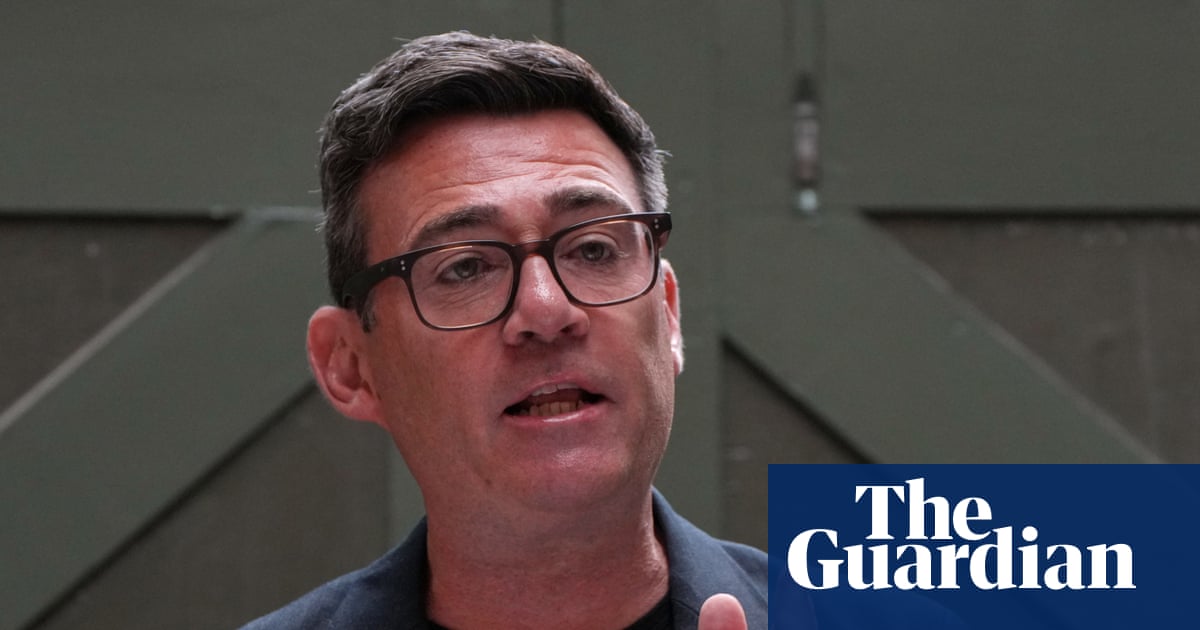
Potential rivals fell away quickly. Wes Streeting endorsed Burnham after Starmer's resignation, while former defence minister Al Carns ruled himself out. Burnham will now appear alone at an online hustings with Labour MPs before the formal handover.
The timetable reported by The Guardian has Burnham becoming party leader on Friday, followed by Starmer's resignation at Buckingham Palace and Burnham's appointment as prime minister next Monday.
What People Are Saying
Burnham says his mandate reflects support from across Labour and a demand for a different governing approach. His pitch centres on moving power away from Westminster, reshaping the economy around ordinary households and spreading growth more evenly.
That is the circuit breaker I am offering: power out of Westminster, an economy rewired for ordinary people, and good growth in every postcode.
He has also promised a “broad church” cabinet and told MPs he wants a culture in which members are valued, heard and involved. Critics are already testing that promise. In City A.M.'s commentary, Eliot Wilson argued that Burnham's consensus-focused language could be strained by the first serious backbench revolt and questioned how he separates party management from the duties of government.
The Bigger Picture
The central issue is no longer whether Burnham can win the Labour nomination, but how quickly he can turn an overwhelming internal mandate into a credible programme for government. His priorities include devolution, the cost of living and what he calls “good growth in every postcode”. Those themes speak directly to regional inequality, local decision-making and household finances, but Labour MPs are pressing him for more policy detail.
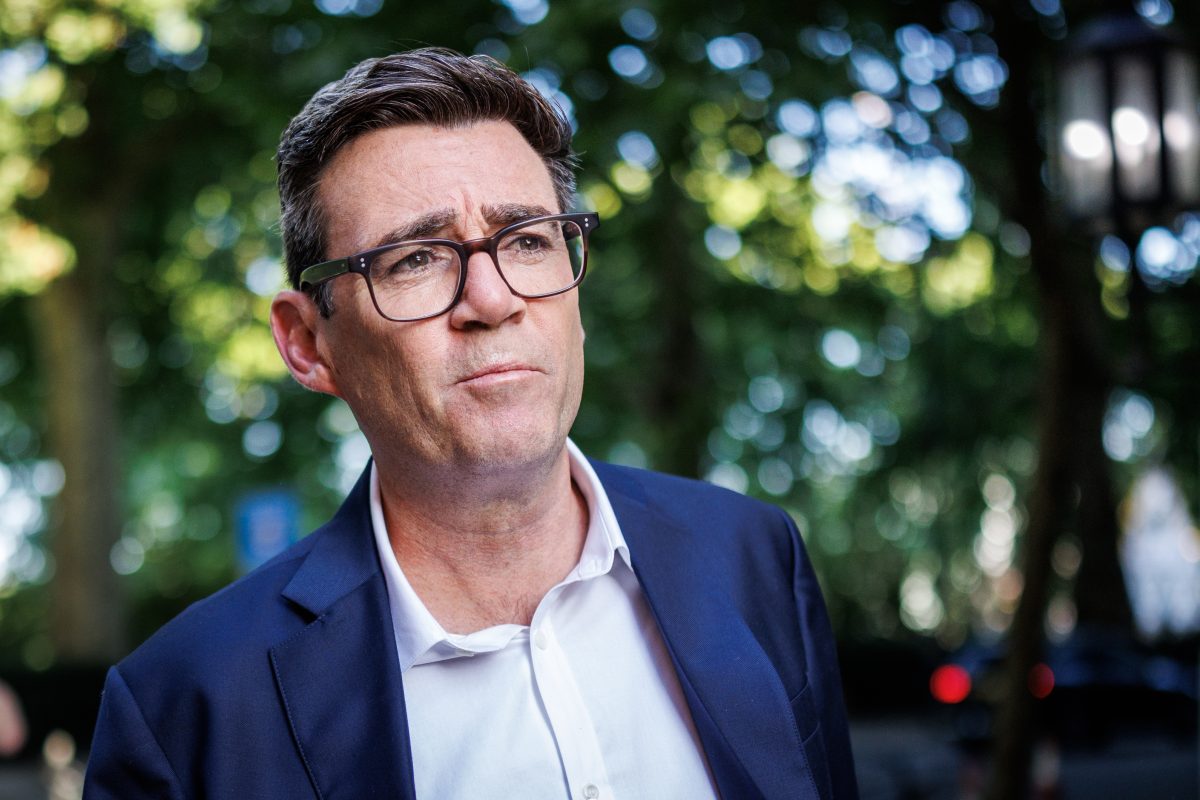
His Greater Manchester record gives him a strong identity outside Westminster, yet it also creates a practical challenge. Most Labour MPs were elected after he left Parliament in 2017, limiting the time he has had to build relationships with the current parliamentary party. He now has to assemble a cabinet, manage those MPs and establish authority across Whitehall within days.
For people in Britain, the immediate significance is continuity at the top of government with a change in political direction. Public attention will focus on whether Burnham's promises on devolution and living costs lead to specific decisions, spending plans and legislation rather than remaining leadership themes.
The Road Ahead
Burnham is due to face Labour MPs in an online hustings as the sole participant. He is then expected to be confirmed as leader on Friday and enter No 10 on Monday, 20 July, after meeting the King.
The next confirmed political test will be his cabinet appointments. Burnham has said they will reflect contribution, experience and commitment across Labour's different wings.
Frequently Asked Questions
Has Andy Burnham officially become Labour leader?
He has secured 349 MP nominations, making a rival candidacy mathematically impossible. He still needs support from three affiliated organisations before the formal confirmation.
When is Andy Burnham expected to become prime minister?
The reported timetable has him entering No 10 on Monday, 20 July, after Sir Keir Starmer resigns and Burnham meets the King.
Why did Keir Starmer resign?
Burnham's Makerfield by-election victory and heavy Labour losses in May's local elections led to growing pressure from Labour MPs for Starmer to step aside.
What policies has Burnham promised?
He has highlighted devolution, the cost of living, an economy focused on ordinary people and growth across every postcode. MPs have asked him to provide more detail.
What does the leadership change mean for people in Britain?
It brings a new prime minister and potentially a different approach to regional power, economic policy and household costs. The practical impact will depend on his cabinet and first policy decisions.