
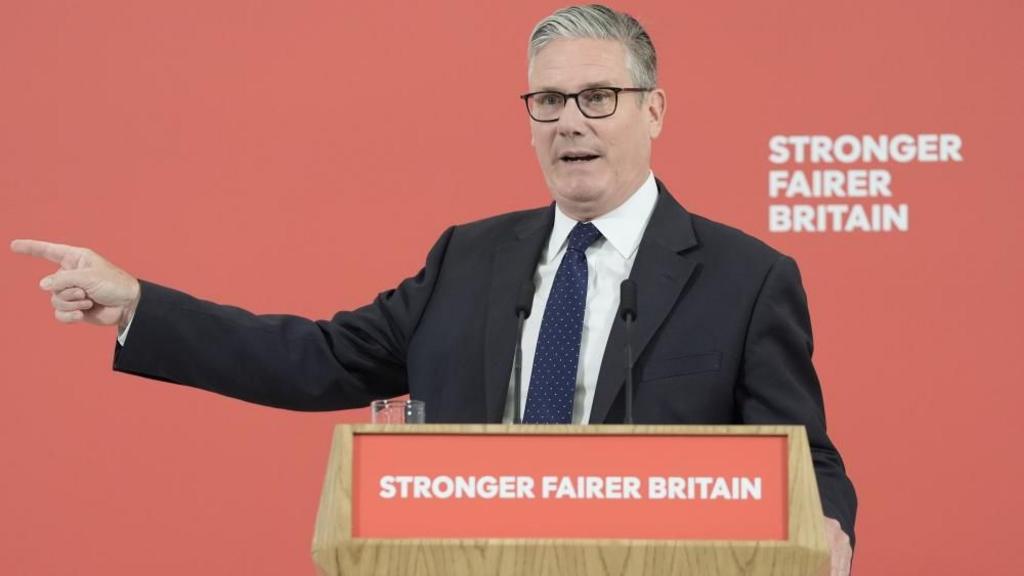
£15bn more is being put into Britain’s defence plans, with Prime Minister Keir Starmer saying annual defence funding will rise from £54bn before his government took office to almost £80bn by 2029. The announcement turns a long-running Whitehall funding row into a practical plan for drones, warships, fighter-jet programmes and nuclear deterrent renewal. Its central message is clear: the war in Ukraine has pushed cheaper autonomous systems from the margins of defence thinking towards the centre.
The Bottom Line
- Starmer announced an additional £15bn for defence, taking spending to almost £80bn a year by 2029.
- More than £5bn will go into drones and autonomous systems, the largest UK Armed Forces drone investment.
- The plan includes £8.6bn for fighter jets with Italy and Japan, and nuclear deterrent renewal funding of £64bn.
- Some road and energy projects deemed not immediately vital will be scrapped to help pay for it.
- Critics say the settlement still falls short of what the armed forces need.
Breaking It Down
The plan follows months of pressure over money. The Guardian reported that rows over an £18bn funding gap had already contributed to John Healey’s resignation, while new Defence Secretary Dan Jarvis promised publication before the Nato summit in Ankara on 7 and 8 July. The timing is politically charged: Starmer is in his final days as prime minister, with Andy Burnham expected to take over in July.
In BBC live coverage, Starmer argued that borrowing would push interest rates higher and said defence bonds were “just borrowing by another name”. Instead, the uplift will be funded by reprioritising spending across government, including reallocating one penny in every pound from capital budgets. Some road and energy schemes will be dropped.
The biggest operational change is the push into uncrewed technology. The government announcement says more than £5bn over four years will support drones, Europe’s biggest drone testing centre in Swindon and a new Uncrewed Systems Taskforce. Its case rests on battlefield arithmetic: Ukraine uses roughly 200,000 drones a month, while 700 offensive drones were launched per day at the height of the Iran conflict.
That shift runs through all three services. The Royal Navy is being pushed towards a “hybrid navy” of crewed and uncrewed vessels, including at least six Common Combat Vessels. The Army gets a £50m boost over the next 12 months for RAPSTONE first-person-view and interceptor drones, while the RAF will develop autonomous fighter jets designed to fly alongside crewed aircraft, with a demonstrator due by at least 2030.
- Defence Investment Plan
- A government plan for funding and prioritising major military equipment and technology programmes.
- Hybrid Navy
- A Royal Navy model combining crewed warships with uncrewed vessels, drones and AI-enabled systems.
- Uncrewed systems
- Military machines, such as drones or autonomous vessels, that operate without personnel on board.
Why This Matters
For households in Britain, defence spending becomes real when it competes with roads, energy projects, public services and borrowing costs. Starmer’s argument is that threats are “not remote” and that foreign states are targeting the UK. The economic pitch is just as prominent: the plan is expected to create almost 60,000 jobs, with the procurement motto “back British” and a new £50bn defence export facility.
At the same time, we are backing British innovation, British industry and British jobs and delivering opportunity to every corner of the country.

The criticism is also numerical. The Telegraph reported that the uplift would take defence spending to only 2.69% of GDP by 2030, behind Germany’s 3.7% and Poland’s 4.48%. On the BBC, Kemi Badenoch called the plan “barely half what the armed forces say is needed”. That is the heart of the argument: whether Britain is adapting quickly enough while Nato pushes allies towards 3.5% of GDP by 2035.
There is an industrial test as well. Tom Redman, CEO of British-based drone supplier Evolve Dynamics, said the £5bn was “really welcome”, but warned that buying drones is not the same as building the ability to produce them at scale in the UK. If the plan works, it could support British factories and start-ups; if not, the armed forces may still face supply chains too slow for modern war.
What Comes Next
The full Defence Investment Plan is being presented to MPs, with Healey expected to speak in the Commons on Tuesday. Jarvis has said he wants defence to be the number one priority in the next Whitehall spending review, so the fight over the 3% and 3.5% spending path now moves to Starmer’s successor.
People Also Ask
What is the UK Defence Investment Plan?
It sets out how the government will fund and prioritise major military equipment and technology programmes. This plan covers drones, uncrewed systems, fighter jets, warships and nuclear deterrent renewal.
How much extra defence funding did Keir Starmer announce?
Starmer announced a further £15bn for defence. He said annual defence funding would rise from £54bn before his government took office to almost £80bn by 2029.
Why is the UK investing more than £5bn in drones?
The government says conflicts in Ukraine and Iran show that drones are rapidly changing warfare. It cites Ukraine’s roughly 200,000 drones a month and 700 offensive drones per day at the height of the Iran conflict.
Why are critics unhappy with the plan?
Critics argue the settlement is still too low compared with the military need and Nato allies. The Telegraph reported the plan would take UK defence spending to 2.69% of GDP by 2030, while the government has committed to 3.5% by 2035.