
Last updated: 5 May 2026, 09:52 AM
UK Condemns Iranian Missile Strikes on UAE — Hormuz Crisis Hits New Peak
The Middle East is teetering on the edge of a total regional conflict following a series of Iranian missile strikes targeting the United Arab Emirates. For families in the UK with ties to the Gulf or those watching global energy prices, this is no longer a distant skirmish; it is a direct threat to international stability. Downing Street has issued a stern warning, joining global allies in a desperate bid to prevent the Strait of Hormuz from becoming a permanent war zone.
Context & Background
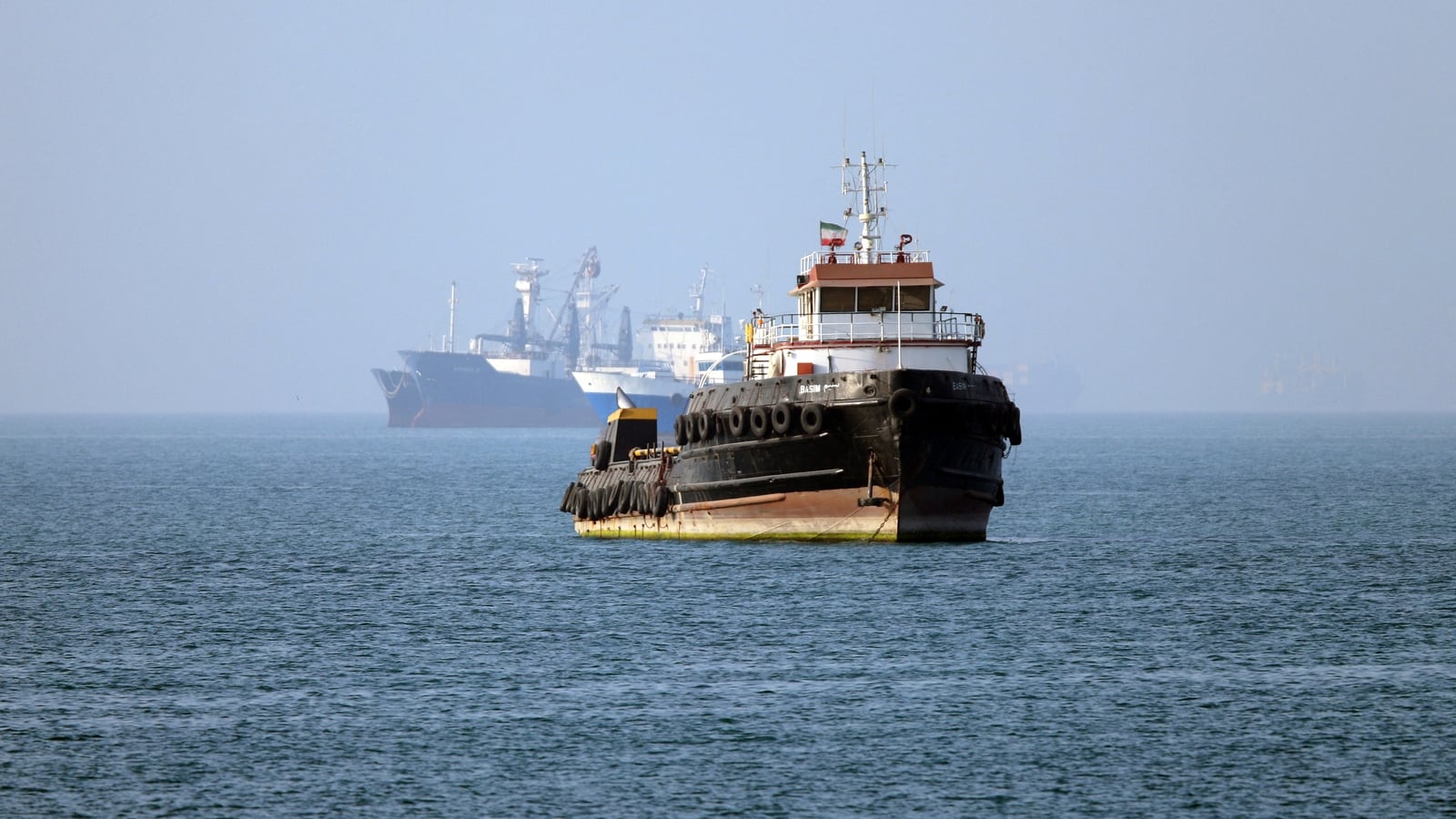
We are now on Day 67 of a crisis that has effectively choked the world's most vital maritime artery. The Strait of Hormuz, a narrow passage through which roughly a sixth of the world's oil flows, has seen intensified naval confrontations over the last two months. What began as a series of tanker seizures has spiralled into direct state-on-state aggression, with Tehran moving from proxy warfare to overt missile launches.
The targeting of the UAE, specifically near the global hub of Dubai, marks a massive escalation in Iran's strategy. By hitting the Emirates, Iran is signaling that no corner of the Gulf is safe from its reach. The writing is on the wall: this is an attempt to force the hand of the international community by holding the global economy hostage through soaring insurance rates and disrupted supply chains.
Here's What Happened
Over the last 24 hours, multiple projectiles were tracked crossing the Gulf, aimed at strategic sites within the UAE. While the Emirates' advanced defence systems intercepted several, the sheer volume of the barrage has caused widespread disruption. The British Prime Minister confirmed that the UK is working closely with Emirati authorities to provide technical and intelligence support following the 4 May strikes.

Meanwhile, the rhetorical fire from Washington has reached a fever pitch. Donald Trump has issued a blunt ultimatum to Iranian forces, warning that they will be 'blown off the face of the Earth' if they dare to target US naval assets. This follows a reported skirmish involving a US operation to protect a commercial tanker that was nearly cornered by Iranian fast-attack craft.
For those in the UK, the most immediate impact is likely to be felt at the petrol pump. History shows that whenever the Hormuz 'tap' is threatened, global markets react with volatility. We saw similar market jitters during the 2019 tanker crisis, but the scale of the current Hormuz crisis is unprecedented in the modern era.
The Response
The international community has been quick to react, though the path to de-escalation remains foggy at best. Downing Street's official statement described the strikes as 'reckless and unacceptable', emphasizing that the security of the UAE is paramount to British interests in the region.
These strikes targeting the UAE are a blatant violation of regional sovereignty. We stand four-square with our partners in the Gulf to ensure the safety of their people and the stability of global trade.
Military analysts suggest that the UK may increase its Royal Navy presence in the region through Operation Kipion, the long-standing British maritime security mission. This isn't just about politics; it's about protecting the cargo ships that bring everything from electronics to gas to British shores.
The Bigger Picture
What does this mean for you? If you have travel plans to Dubai or Abu Dhabi, you'll be checking the news with a knot in your stomach. The UAE has long been a 'safe haven' in a turbulent region, but these strikes puncture that sense of total security. Beyond tourism, the real sting is economic. Brent Crude prices have already spiked by 8% in the hours following the news.

It's a classic case of cause and effect: instability in the Gulf leads to higher shipping insurance, which leads to higher freight costs, which eventually lands on the price tags in your local supermarket. The interconnectedness of our world means a missile in the Gulf is a dent in the British wallet.
The Road Ahead
The UN Security Council is expected to convene an emergency session within the next 48 hours to discuss the deepening Hormuz crisis. While diplomatic channels remain open, the military build-up in the region suggests that a 'cooling-off period' is not yet on the horizon. Watch for live updates on the US naval movements here as the situation develops.
FAQ
Is it safe to travel to Dubai right now?
The Foreign Office has not yet issued a total ban on travel, but they advise heightened vigilance. Most commercial flights are currently operating, though some routes are being diverted to avoid sensitive airspace.
Why is the Strait of Hormuz so important?
It is the world's most important oil transit point. Because there are few viable alternatives for shipping oil out of the Gulf, any closure or threat to the Strait causes global energy prices to skyrocket immediately.
What is the UK's military role in this?
The UK maintains a permanent naval presence in the region. Their primary role is to provide 'safe passage' for British-flagged vessels and work with international partners to monitor Iranian military activity.
Will petrol prices go up in the UK?
Initial market reactions suggest a rise is likely. If the crisis continues for more than a few days, retailers will likely pass the increased cost of crude oil onto consumers at the pump.