
The chamber was already on edge. Voices rose, tempers frayed, and then — one by one — MPs were told to leave. Within minutes, what began as a sharp exchange turned into a full-blown scene on the Commons floor.
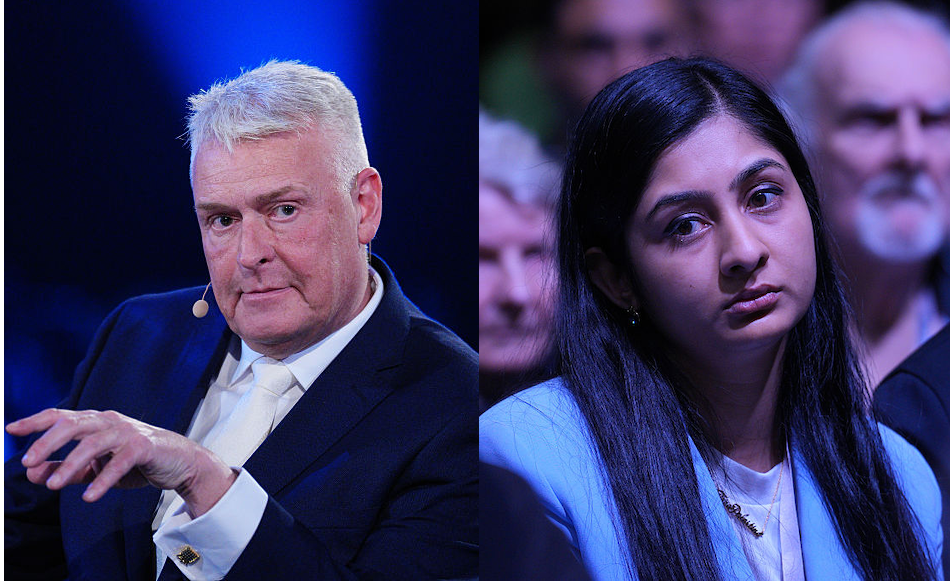
Two MPs, Zarah Sultana and Lee Anderson, were ordered out after accusing Prime Minister Keir Starmer of lying during a heated debate over the appointment of Lord Mandelson. Both refused to withdraw their remarks — a line that, in Westminster, rarely ends quietly.

How Events Unfolded
It started with questions around the controversial appointment of Peter Mandelson — a political figure whose return to influence has long divided opinion. During the exchange, both Sultana and Anderson accused the Prime Minister of misleading the House.
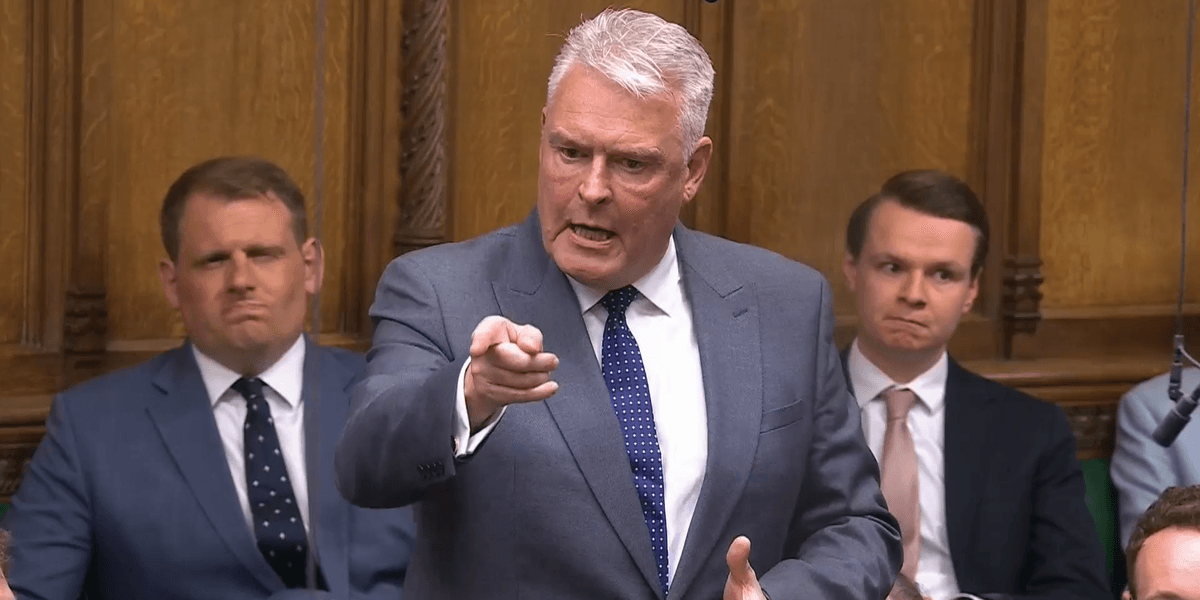
That accusation is no small matter. Parliamentary rules are strict: calling another MP a liar is considered unparliamentary language. The Speaker quickly intervened, asking both MPs to withdraw their statements.
They didn’t budge. Anderson doubled down, refusing to retract his claim. Sultana, too, stood firm, using strong language that only escalated the moment. The Speaker responded by ordering them to leave the chamber — a formal ejection that signals a breakdown in decorum.
Moments later, the Commons moved on, but the tension lingered. If you were watching live, it felt less like routine politics and more like something slipping out of control.
The Fine Print
The row didn’t appear out of nowhere. The Mandelson appointment has been simmering for days, with critics questioning both the timing and the message it sends about Labour’s direction under Starmer.
Here’s the thing — Mandelson is no ordinary figure. A veteran of New Labour, his return touches old nerves inside and outside the party. For some, it signals experience. For others, it reopens debates many thought were settled years ago.
The language used in the chamber matters deeply. Accusing a sitting Prime Minister of lying crosses a line that MPs are expected to avoid — not because disagreement is banned, but because the system relies on a shared baseline of respect.
That baseline has been under strain. Recent sessions have seen sharper rhetoric, more interruptions, and a growing sense that debate is edging closer to confrontation.
The Response
Reactions came quickly. Allies of the Prime Minister defended his position, insisting the accusations were unfounded and disruptive. Critics, meanwhile, argued the incident reflects deeper frustration within Parliament.
The standards of debate in this House must be upheld at all times.
Supporters of both MPs framed the moment differently — not as misconduct, but as a sign of MPs pushing back against leadership decisions they see as flawed.
We cannot ignore what’s being said simply because it’s uncomfortable.
What’s interesting is how quickly the story moved beyond the chamber. Clips circulated online within minutes, drawing reactions from across the political spectrum.
Putting It in Perspective
This isn’t the first time MPs have been ejected for refusing to withdraw remarks. But seeing figures from different political backgrounds — Anderson from the right, Sultana from the left — caught in the same moment is unusual.
It speaks to a broader shift. Political debate in the UK has become more polarised, more personal, and at times more volatile. For viewers at home, it can feel like the tone has changed — and not always for the better.
For ordinary people, the immediate impact might seem distant. But these moments shape public trust. When debates turn into confrontations, confidence in the system can take a hit. And once that trust slips, it’s not easy to win back.
There’s also a practical angle. Parliamentary time is limited. Disruptions like this can slow down discussions on policies that directly affect households across the UK.
Looking Ahead
For now, both MPs face scrutiny over their conduct, though formal disciplinary action beyond removal from the chamber remains unclear.
The bigger question is whether this marks a one-off clash or part of a longer trend. If tensions continue to rise, we may see more confrontations — and more interventions from the Speaker.
You might be wondering where this leaves the Mandelson debate. In truth, it’s far from settled. The issue is likely to return to the Commons floor, possibly with even sharper exchanges.
FAQ
Why were Zarah Sultana and Lee Anderson ejected from the Commons?
They were removed after accusing the Prime Minister of lying and refusing to withdraw their statements, which breaches parliamentary rules.
Is calling an MP a liar against the rules?
Yes. It is considered unparliamentary language, and MPs are expected to withdraw such remarks when instructed by the Speaker.
What is the Mandelson controversy about?
The debate centres on the appointment of Peter Mandelson, a divisive political figure whose return has sparked disagreement within Parliament.
Can MPs face further punishment after being ejected?
In some cases, repeated offences can lead to suspension. However, immediate removal is usually the first step to restore order.
Does this kind of incident happen often?
It happens occasionally, but seeing MPs from different political sides ejected in the same incident is relatively rare.