

Pope Leo delivered a striking Easter message from the Vatican this week, calling for restraint in global conflicts and rejecting claims that faith can justify war. The remarks come just one year into his papacy, as tensions rise internationally and political leaders exchange sharp rhetoric.
The Full Story
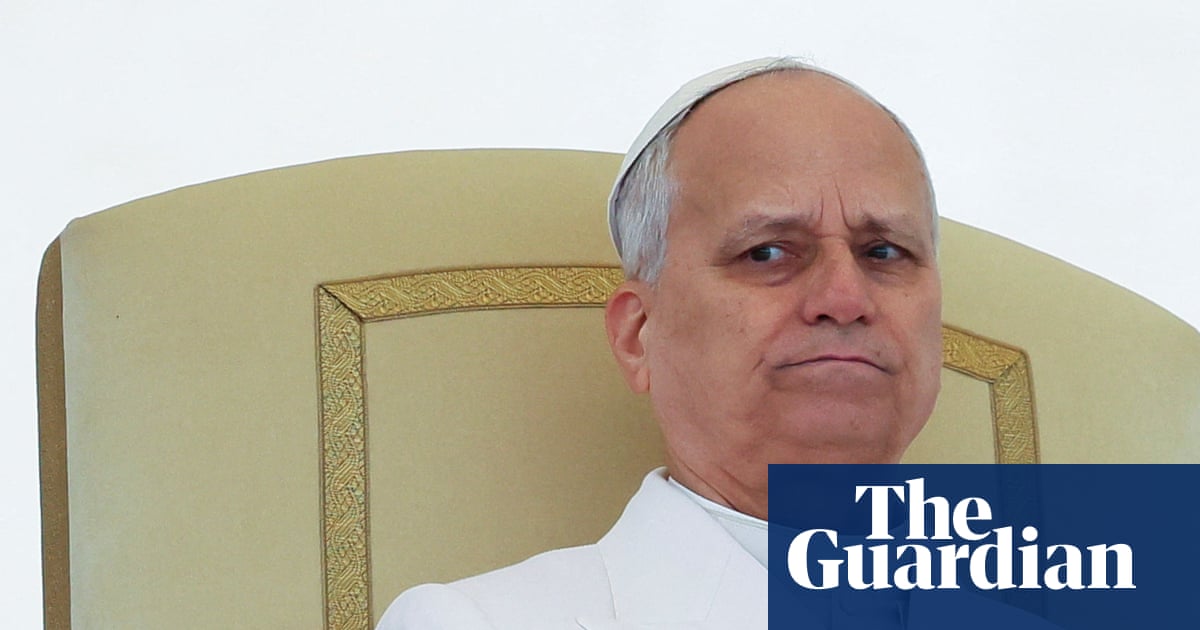
Standing before thousands gathered at St Peter’s Square, Pope Leo used his Easter address to send a clear signal: war cannot be morally justified in the name of God. The message lands at a moment when geopolitical tensions — particularly around Iran — have been escalating, with sharp rhetoric from world leaders raising fears of wider conflict.
His comments follow a week of contrasting statements from political figures. While some leaders hinted at military escalation, the Pope struck a different tone entirely. In his Palm Sunday remarks earlier, he had already warned against invoking religion to defend violence, setting the stage for this stronger Easter intervention.
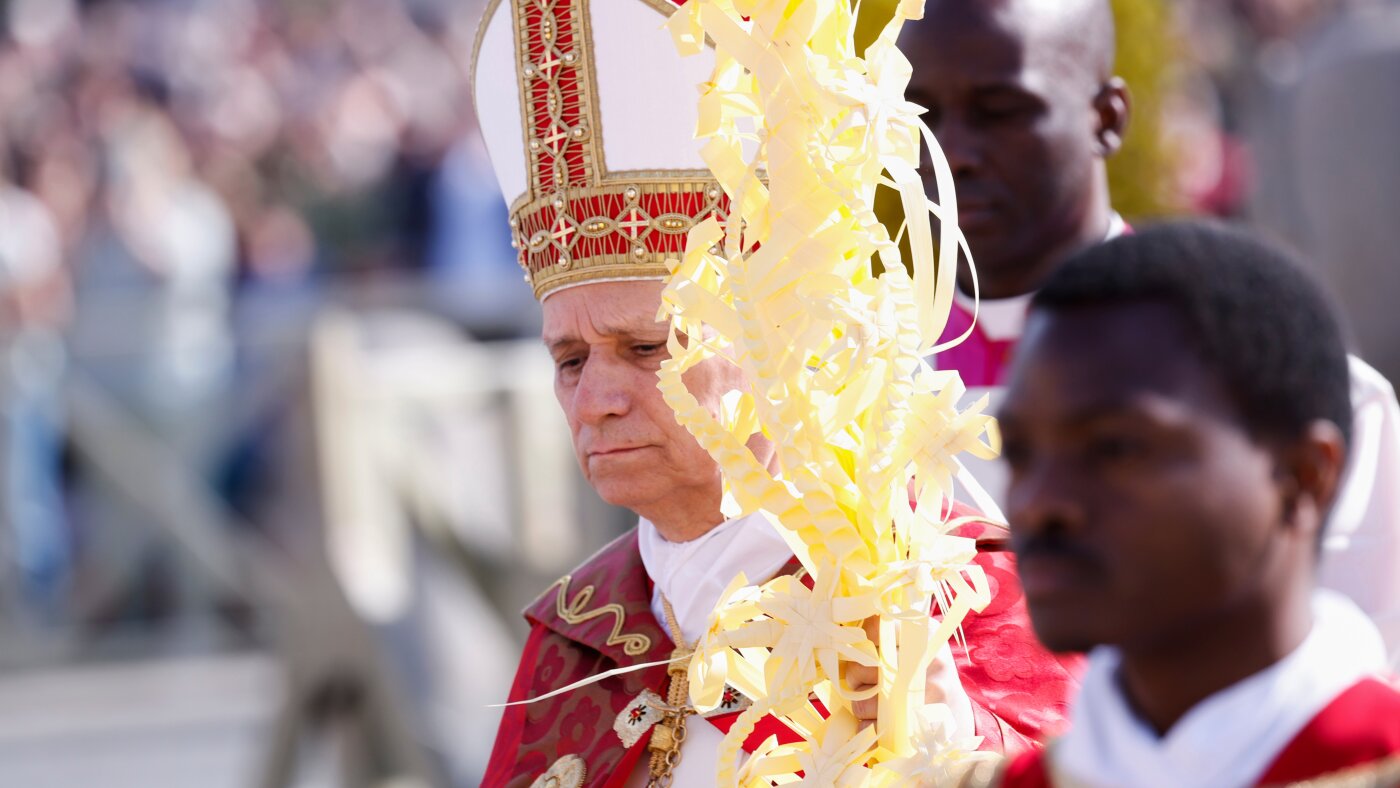
Meanwhile, within the Catholic Church itself, his leadership continues to draw mixed reactions. One year into his papacy, some believers praise his directness and moral clarity, while others feel his approach challenges long-standing traditions. Still, his consistent emphasis on peace has become a defining feature of his tenure.
And here’s the thing — this isn’t just theological. When religious leaders speak this plainly, it often shapes public debate far beyond church walls.
Who's Involved
Pope Leo stands at the centre, positioning himself as a moral voice against escalating conflict. His remarks indirectly respond to political figures, including US leadership, who have recently taken a more aggressive stance in foreign policy discussions.
Religious leaders across Catholic communities worldwide are also part of the conversation, with bishops echoing or interpreting his message for local audiences. Their role matters — they translate these high-level statements into everyday guidance for millions of believers.
By the Numbers
- 1 year: Time since Pope Leo assumed the papacy
- Thousands: Attendees gathered in St Peter’s Square for Easter Mass
- Global reach: The Catholic Church counts over 1.3 billion followers worldwide
What This Means
For readers in the UK, the Pope’s message lands in a familiar context. Britain has long balanced its role in international alliances with domestic debates about military involvement. His stance adds a moral dimension to those discussions — one that resonates particularly in communities where faith still shapes public life.

More broadly, it signals a shift in tone from the Vatican. Rather than cautious diplomacy, Pope Leo is opting for clarity — calling a spade a spade. That could influence how religious institutions engage with political crises moving forward.
If you’re following this closely, you might notice echoes of past papacies, where similar calls for peace emerged during global tensions. But the timing here feels sharper, more immediate.
What to Expect
The Vatican is expected to continue reinforcing this message in upcoming statements and diplomatic engagements. Observers will be watching whether political leaders respond — or simply carry on regardless.
Within the Church, discussions about the Pope’s direction are likely to deepen, especially as he marks his first full year in office.
FAQ
What did Pope Leo say about war?
He stated clearly that war cannot be justified in the name of God, reinforcing earlier comments made during Palm Sunday services.
Why is his Easter message significant?
It comes at a time of rising global tensions, offering a moral counterpoint to political rhetoric advocating potential military action.
How are Catholics reacting?
Reactions are mixed. Some praise his clarity and commitment to peace, while others feel his approach challenges traditional positions.
Does this affect UK politics?
Indirectly, yes. His message adds moral weight to ongoing debates about military involvement and foreign policy decisions.
What happens next?
The Vatican is likely to continue emphasising peace in future statements, while global leaders decide how — or whether — to respond.