
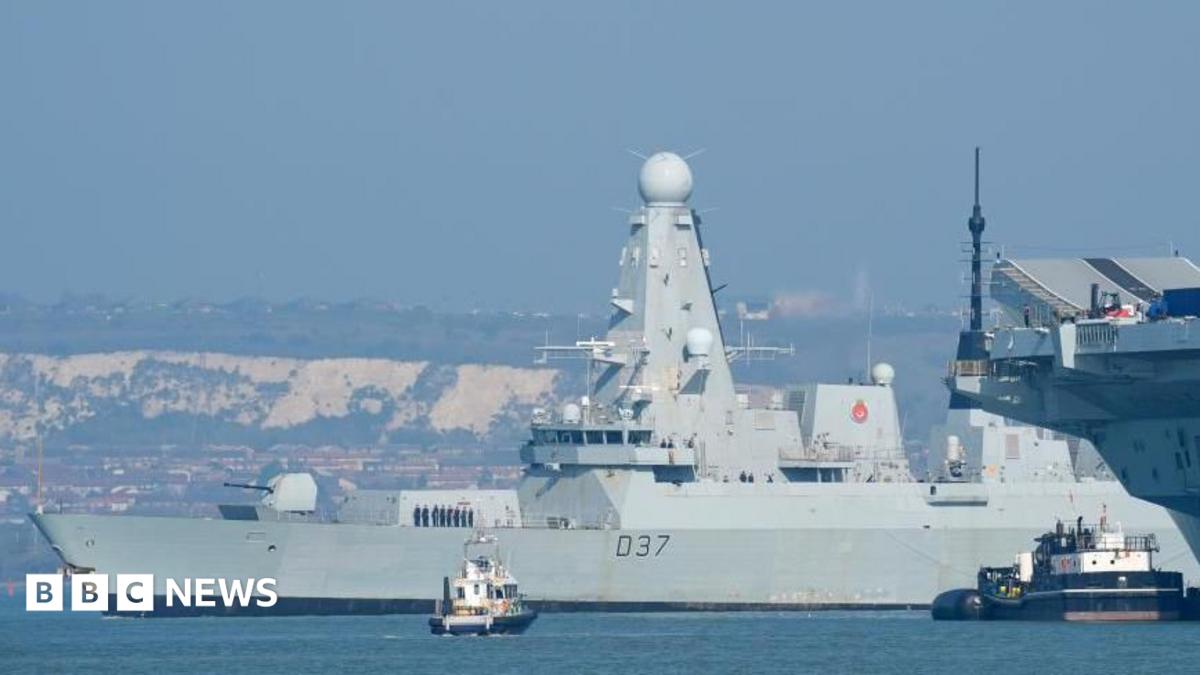
A sweeping overhaul of Britain's maritime warfare strategy will see plans for a new generation of large warships scrapped in favour of at least six modern "hybrid" vessels designed to deploy autonomous fleets. The Ministry of Defence confirmed that the previously proposed Type 83 guided-missile destroyer has been abandoned, marking a definitive shift away from concentrating capability in a small number of large, expensive ships. Instead, millions of pounds will be redirected into developing flexible platforms capable of commanding uncrewed systems in the air, on the surface, and deep underwater.
The Bottom Line
- The Royal Navy will procure at least 6 new Common Combat Vessels (CCVs) to replace the ageing Type 45 destroyer fleet, with delivery expected to begin in the early 2030s.
- Plans for the large Type 83 destroyer concept have been permanently axed to fund smaller, agile automated platforms.
- The new CCVs will act as crewed "control hubs" for a network of specialised autonomous drone ships, including the Type 91, 92, 93, and 94.
- Defence Secretary Dan Jarvis secured an enhanced £14.5 billion to £15 billion funding settlement for the upcoming Defence Investment Plan (DIP) following intense Treasury negotiations.
- The re-engineered fleet will be deployed on critical operations to counter Russian "shadow fleet" and submarine activity in the North Atlantic and High North.
Breaking It Down
The strategic pivot comes amid months of fraught budgetary negotiations within Whitehall that recently triggered the high-profile resignations of former defence secretary John Healey and armed forces minister Al Carns. Both men had publicly warned that the Treasury's initial funding allocations left the nation unsafe in an era of accelerating global threats. However, newly appointed Defence Secretary Dan Jarvis has managed to extract a revised settlement from Chancellor Rachel Reeves, bringing the final package to between £14.5 billion and £15 billion.
Rather than constructing massive standalone hulls, the National Armaments Director Group will immediately use the newly released DIP funding to commence design work on the Common Combat Vessels. Under the "hybrid navy" doctrine spearheaded by First Sea Admiral General Sir Gwyn Jenkins, these crewed ships will operate alongside an array of uncrewed platforms. These include the Type 91 missile barge—expected to measure between 230ft and 295ft and carry Aster, CAMM, and DragonFire laser weapons—and the Type 92 underwater sensing platform built specifically to track submarines near critical undersea cables.

The operational urgency of this structural shift was underscored on 14 June when Royal Marine commandos intercepted a suspected Russian shadow fleet oil tanker in the English Channel. To support these aggressive intercept missions, the government has additionally earmarked £500 million to equip the UK's elite Commando Force with high-speed insertion craft and advanced autonomous tech. Outgoing Prime Minister Sir Keir Starmer has insisted on publishing the finalised blueprint before he leaves office, ensuring the framework is locked in ahead of the upcoming Nato summit in Ankara, Turkey.
Why This Matters
This radical restructuring addresses a persistent dilemma in modern British military procurement: how to extend the Navy's global reach and firepower without causing a proportional spike in crew numbers or taxpayer costs. By splitting capabilities like radar, missile systems, and sonar across separate uncrewed drone platforms, the MoD expects to create a distributed network that is inherently harder for an adversary to destroy than a single multi-billion-pound destroyer.
For communities across the UK, the multi-decade building programme serves as a vital domestic economic cushion. The MoD has explicitly stated that the CCV programme will be entirely British-built, anchoring thousands of high-skilled manufacturing and engineering jobs within domestic shipyards. This long-term industrial predictability arrives at a critical moment for the sector, which faces an estimated deficit of over 10,000 skilled engineers by 2030 if industrial training pipelines are not expanded.

What Comes Next
The complete Defence Investment Plan is scheduled for official publication this week, immediately prior to the Nato summit commencing on 7 July. This timeline will provide international allies with clear clarity on how the UK intends to ramp up its overall defence spending to 2.5% of GDP by 2027. Looking slightly further ahead, incoming political figures—including frontrunner Andy Burnham, who is widely tipped to take over the Labour leadership on 20 July—have already reviewed the draft framework, signaling broad cross-factional stability for the navy's digital transition.
Frequently Asked Questions
What is a Common Combat Vessel?
A Common Combat Vessel (CCV) is the Royal Navy's first hybrid warship class. It will feature a crewed command structure that acts as a central control hub for independent uncrewed drones operating simultaneously in the air, on the surface, and underwater.
Why is the Royal Navy scrapping the Type 83 destroyer?
The MoD chose to abandon the Type 83 destroyer to avoid concentrating massive defense capability into a small number of traditional, highly expensive hulls. Naval chiefs determined that a distributed fleet of hybrid ships and drones offers better resilience against modern threats at a lower cost.
When will the new hybrid drone ships enter active service?
Detailed architectural and platform design work is commencing immediately using newly allocated DIP funds. The first physical deliveries of the new Common Combat Vessels and their accompanying drone ships are expected to join active fleet operations in the early 2030s.