
Last updated: 28 May 2026
Trump’s Oman Threat Puts Gulf Shipping and UK Fuel Costs on Edge
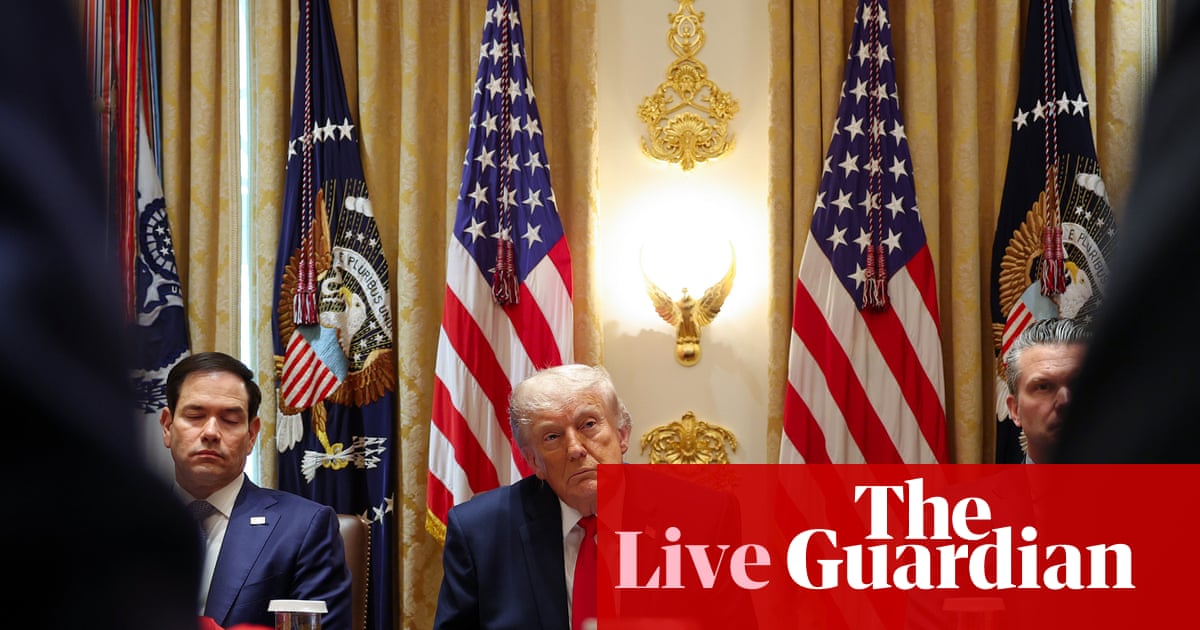
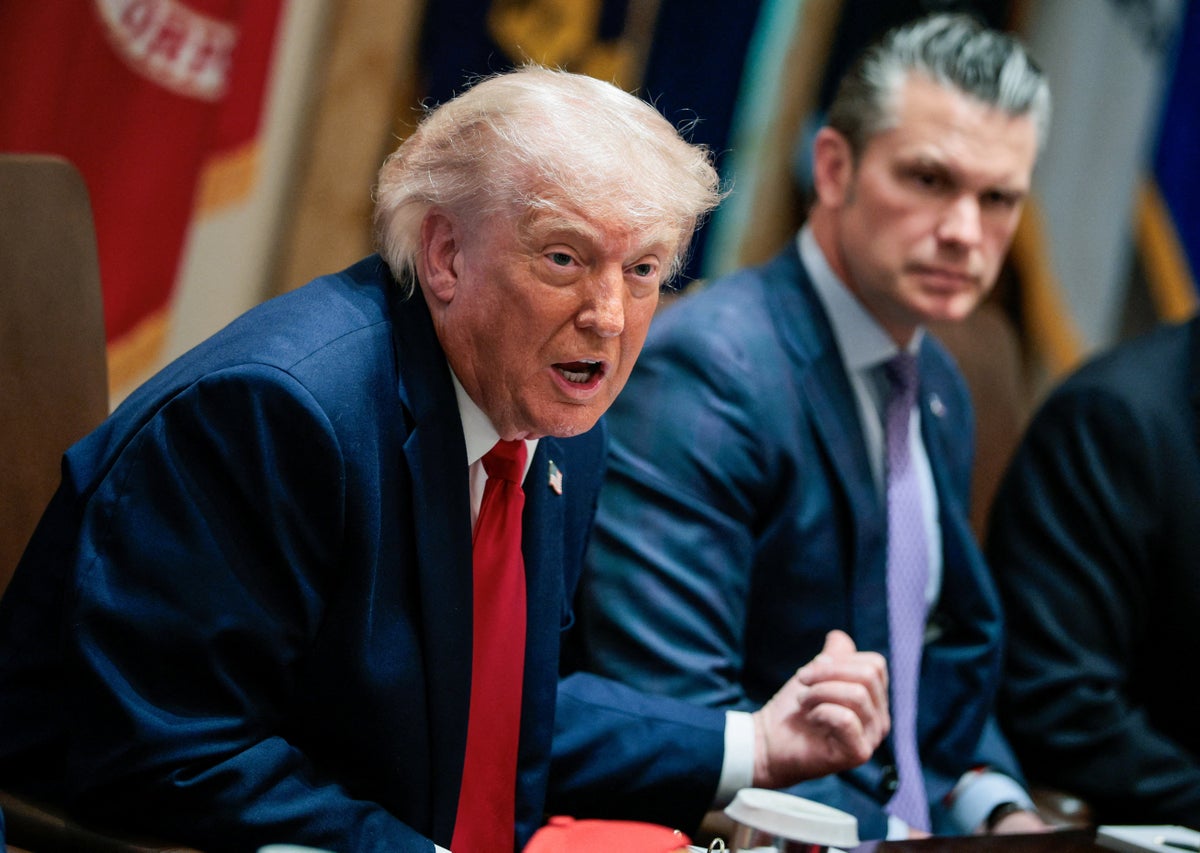
Donald Trump’s threat to “blow up” Oman during escalating tensions over the Strait of Hormuz has triggered sharp reactions across the Middle East, with Iranian officials calling the remarks “dangerous and bullying”. The comments have rattled energy markets and renewed fears over one of the world’s most sensitive shipping routes.
For people in Britain, the story is not just diplomatic theatre. Around a fifth of the world’s oil passes through Hormuz, and any disruption there can quickly push up petrol prices, heating costs and freight bills across the UK.
The Full Story
The latest row erupted after Trump reportedly threatened military action against Oman while discussing security around the Strait of Hormuz, the narrow waterway linking the Persian Gulf to global shipping lanes. Oman has long positioned itself as a diplomatic bridge between Washington and Tehran, so the unusually aggressive language caught many regional observers off guard.
Iranian officials quickly hit back, accusing Trump of using intimidation tactics that could destabilise the entire Gulf region. Meanwhile, US Treasury officials also warned Oman over issues tied to shipping controls and sanctions enforcement in Hormuz, adding another layer of pressure to an already tense situation.
What makes this especially sensitive is timing. Oil traders have spent months worrying about disruptions in the region after repeated flare-ups involving Iran-backed groups, shipping attacks and military posturing by several countries. One spark in the Gulf and everyone starts watching the petrol pumps, as traders in London often put it.
And there is history here. Oman has frequently acted as the quiet negotiator during US-Iran disputes, including earlier nuclear talks and prisoner exchanges. Threatening Muscat publicly risks undermining one of the few channels both sides still use to communicate.
You might be wondering why Oman matters so much. The answer is geography. The country sits beside the Strait of Hormuz, one of the world’s busiest energy corridors. If shipping there slows down, even briefly, the knock-on effect can spread from crude oil prices to supermarket delivery costs within days.
Threats against regional stability are dangerous and unacceptable.
The Main Players
Donald Trump remains central to the story after his comments escalated tensions beyond routine diplomatic sparring. Even out of office, his statements continue to carry global weight because of his influence over US Republican foreign policy.
Oman, led by Sultan Haitham bin Tariq, has traditionally maintained balanced relations with both Western allies and Iran. The country’s role as mediator has made it one of the Gulf’s more stable diplomatic actors.
Iran views the latest rhetoric as part of broader US pressure over sanctions, regional influence and maritime control. Tehran has repeatedly warned that instability in Hormuz could affect global energy supplies.
The US Treasury has also entered the picture through warnings tied to sanctions enforcement and shipping activity connected to the Gulf trade corridor.
Key Statistics
Roughly 20% of global oil supplies pass through the Strait of Hormuz every day, making it one of the most strategically important waterways on the planet.
Analysts estimate that even a short disruption in Gulf shipping can add several pence per litre to UK fuel prices within weeks. Shipping insurance costs also tend to jump sharply during regional crises, pushing up broader import expenses.
CNN also pointed out that Trump has now either threatened or discussed military action involving a striking number of countries during his political career, underlining how unusually direct the Oman comments appeared to many observers.
What This Means
For Britain, the concern is less about direct military involvement and more about economic fallout. Higher oil prices feed quickly into transport costs, airline fares and household energy bills. At a time when many families are already watching spending carefully, even small jumps in fuel costs can bite.

There is also a diplomatic angle for the UK government. Britain has longstanding defence and trade ties across the Gulf, including cooperation with Oman. A worsening crisis could force Downing Street into difficult balancing acts between Washington, regional allies and energy security concerns.
What’s interesting is how quickly markets now react to rhetoric alone. Traders no longer wait for military action; a few comments from major political figures can move oil prices within hours. That’s the reality of modern geopolitics — nerves travel faster than ships.
What to Expect
Officials in the Gulf are expected to continue backchannel diplomatic talks over the coming days, especially around shipping security in Hormuz. Energy markets will also be watching for any further statements from Trump, Tehran or US Treasury officials.
Shipping companies and insurers are likely to reassess risk levels in the region if tensions continue rising. For UK consumers, the immediate focus will be whether oil prices remain stable or begin climbing again heading into summer.
FAQ
Why did Trump threaten Oman?
The threat was linked to tensions surrounding the Strait of Hormuz and wider US-Iran regional disputes.
Why is the Strait of Hormuz important?
It is one of the world’s busiest oil shipping routes, carrying about 20% of global oil supplies.
How could this affect people in the UK?
Any disruption could increase fuel prices, transport costs and energy bills across Britain.
What role does Oman usually play in the Middle East?
Oman often acts as a neutral mediator between Western countries and Iran during regional disputes.
Has the situation affected oil markets yet?
Energy traders are already monitoring the situation closely, with concerns about future shipping disruptions.