
Last updated: 16 June 2026, 12:37pm BST
£10bn is the extra funding John Healey says ministers were prepared to commit over four years — around £18bn less than military chiefs reportedly asked for. That gap now sits at the centre of a widening defence row after Healey quit as defence secretary and the UK’s top military officer warned training and operations could be scaled back. For the armed forces, this is not an abstract spending argument: it is about how often personnel train, how ready units are to deploy, and whether Britain can keep pace with Nato allies.
The Bottom Line
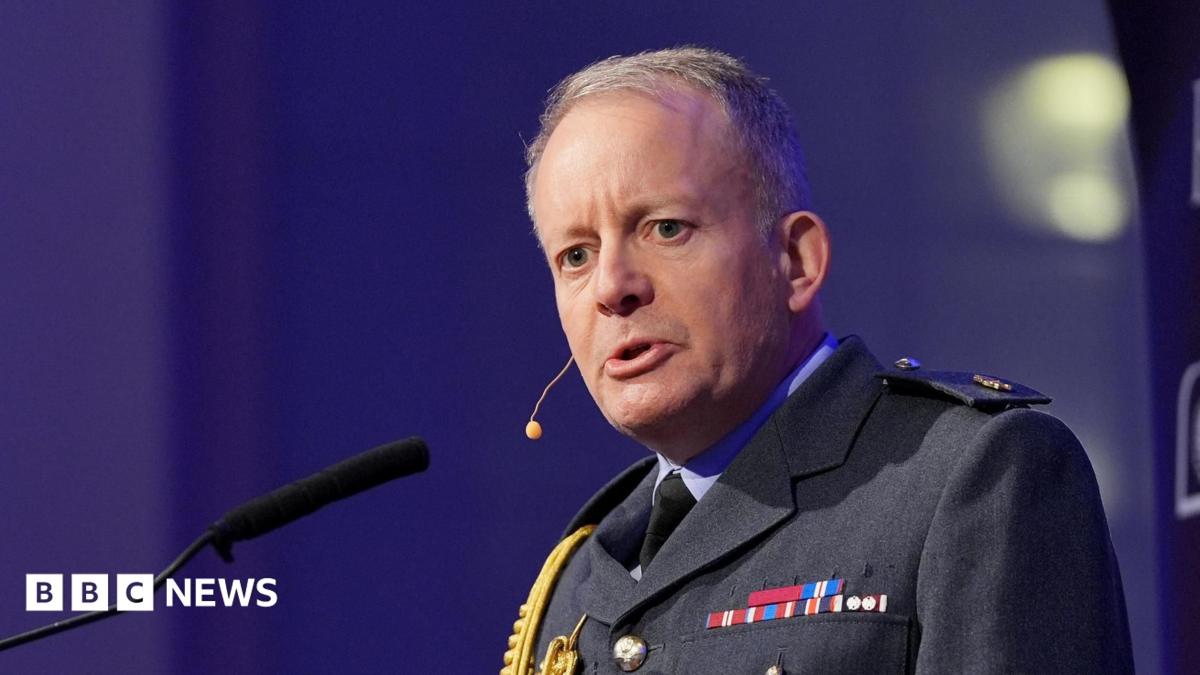
- Air Chief Marshal Sir Richard Knighton said the armed forces may have to “dial back” activity if day-to-day defence funding does not increase.
- John Healey resigned as defence secretary after saying the Defence Investment Plan fell “well short of what is required”.
- The government has committed to reaching 3.5% of national income on defence by 2035, while Healey says the UK should hit 3% by 2030.
- Dan Jarvis, the new defence secretary, is reviewing the delayed Defence Investment Plan before publication ahead of the Nato summit in Ankara.
- Culture Secretary Lisa Nandy has said talks are under way about moving resources from departments including DCMS into defence.
Breaking It Down
The immediate pressure point is the government’s long-awaited Defence Investment Plan, a 10-year blueprint for military equipment and infrastructure. It was due to be published last week but was delayed after Healey and armed forces minister Al Carns resigned. According to the BBC account of the funding row, Healey said No 10 and the Treasury were prepared to commit about £10bn in extra funding over four years, well below what military chiefs were seeking.
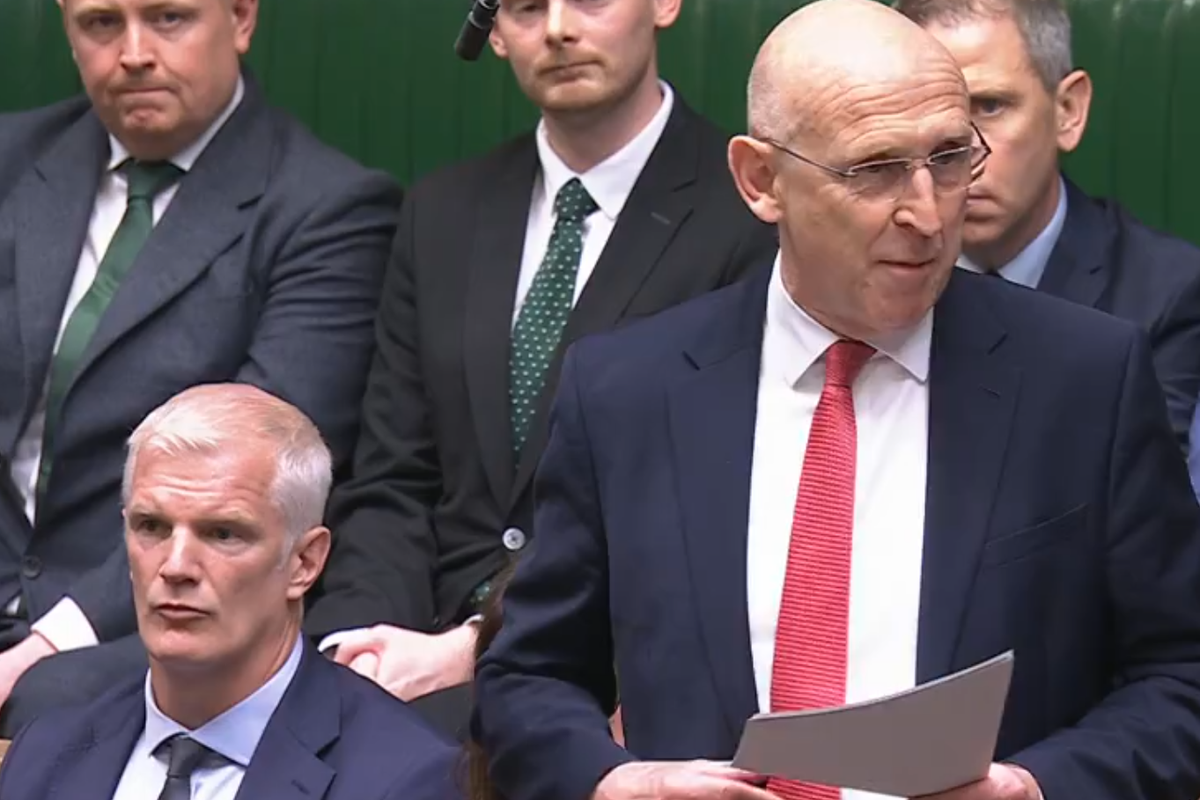
Healey used his Commons resignation statement to argue that the proposed settlement would damage readiness. He said Britain’s enemies “do not follow timetables set by the Treasury” and warned that the plans offered “no date for reaching 3%, no path to 3.5%”. His criticism matters because he had been one of Labour’s most loyal senior ministers, making his departure a rare public rupture over national security policy rather than a routine reshuffle.
Sir Richard Knighton then gave the military version of the same warning to the Lords International Relations and Defence Committee. He said he was most concerned about the funding that pays for operational activity, exercises and training — the daily work that turns equipment and personnel into a deployable force. Without changes, he said, “We will have to dial back our activities and our exercise and operational activity if the level of resource funding that's available to us does not increase.”
Downing Street has not indicated that fresh money will be found. Speaking at the G7 summit in Evian, Sir Keir Starmer said defence spending had already risen from 2.3% to 2.6%, describing it as the biggest increase since the 1980s, and said £270bn would be spent on defence during this parliament. The prime minister also told Nato Secretary General Mark Rutte that the plan would be published ahead of the Nato summit in Ankara, according to the government’s readout.
Why This Matters
For the UK public, the argument is partly about security and partly about trade-offs. Defence chiefs are saying that a plan focused on future equipment will not work unless today’s units can train, exercise and deploy. That is why the phrase “day-to-day activity funding” matters: it covers the readiness that cannot be switched on overnight when a crisis begins.
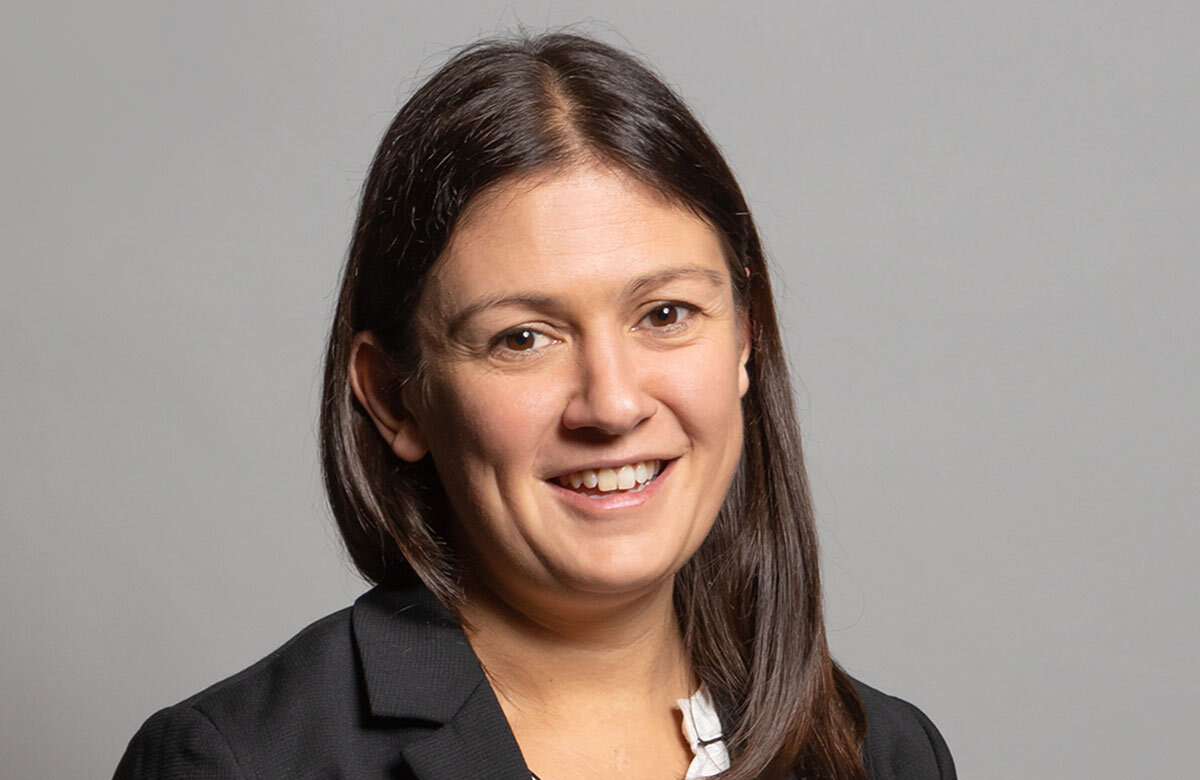
The spending fight is also spreading beyond the Ministry of Defence. Lisa Nandy has said ministers are discussing how to “move resources from departments like mine” into defence, while also arguing that funding the BBC properly would help counter myths and disinformation that damage national resilience. That shows the central dilemma: every pound shifted into defence has consequences elsewhere, including culture, public services and capital budgets.
Former military leaders are adding pressure from outside government. Field Marshal Lord Richards told the Telegraph that the Army, Navy and RAF had been “eviscerated” over the last five years, a severe judgement from a former chief of the defence staff. His intervention gives political weight to the serving chief’s warning because it links the current funding dispute to a longer pattern of strain across all three services.
What Comes Next
Dan Jarvis is now reviewing the Defence Investment Plan in draft form, with discussions involving the chancellor and prime minister. Downing Street has said the plan will be published before the Nato summit in Ankara, but the BBC reported that it is not expected in the coming week.
The next test is whether the final plan answers the narrow operational warning from Sir Richard Knighton as well as the broader political demand from Healey and Carns. If it does not, the government will face a difficult question: whether Britain can promise Nato higher future spending while its armed forces say training and deployment activity are under pressure now.
People Also Ask
Why did John Healey resign as defence secretary?
John Healey resigned after saying the proposed Defence Investment Plan did not provide enough money to protect military readiness. He told MPs the plan fell “well short of what is required” and said Britain should reach 3% of GDP on defence by 2030.
What did Sir Richard Knighton warn about?
Sir Richard Knighton warned that the armed forces may have to reduce training, exercises and operational activity if day-to-day funding does not rise. He said this funding is what keeps personnel ready with the equipment they currently have.
How much is the UK government planning to spend on defence?
The government says defence spending has risen from 2.3% to 2.6% and that £270bn will be spent during this parliament. It has also committed to reaching 3.5% of national income by 2035.
What is the Defence Investment Plan?
The Defence Investment Plan is the government’s long-term plan for military equipment and infrastructure over the next decade. It has been repeatedly delayed and is now being reviewed by new Defence Secretary Dan Jarvis.
Could other departments face cuts to pay for defence?
Lisa Nandy has said discussions are taking place about moving resources from departments including DCMS into defence. She suggested the BBC should be protected because of its role in national resilience, but said other areas were being examined.